

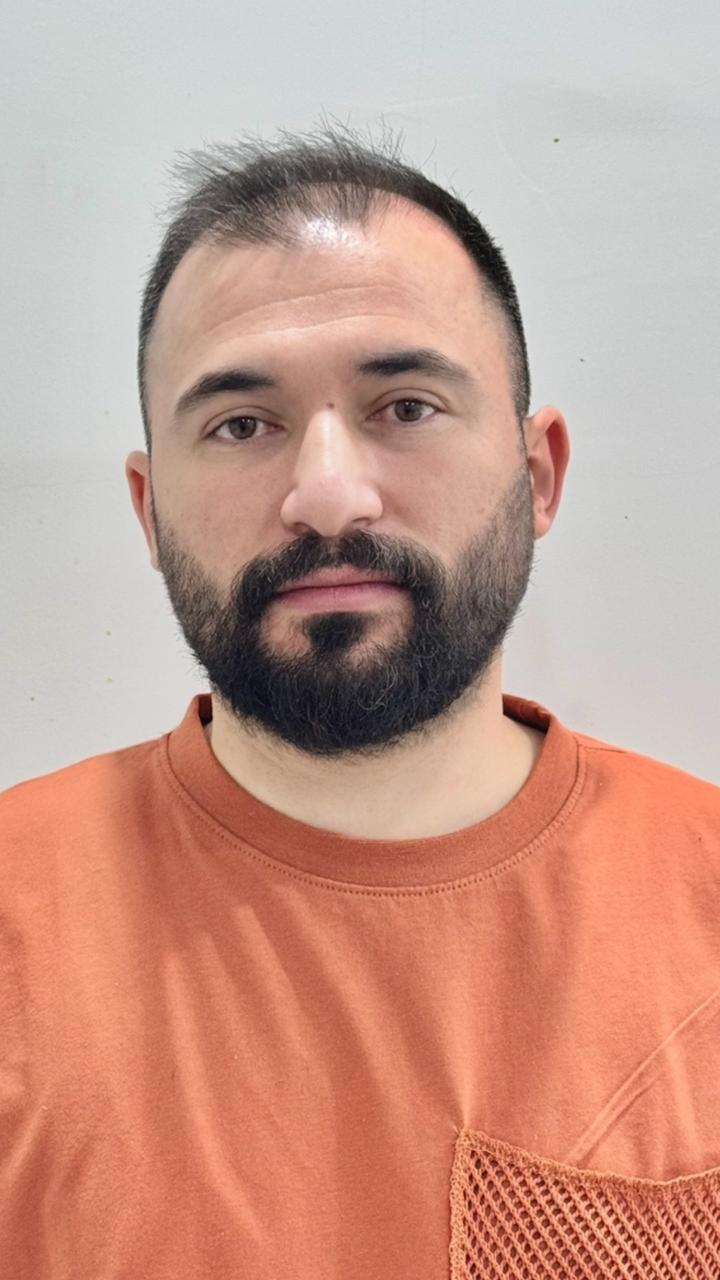
In January 2025, our 31-year-old patient Çağlar from Bristol, United Kingdom, applied to our clinic due to progressive hair loss. Over the past few years, he had noticed that the recession of his frontal hairline had accelerated and the density loss in the crown area had become increasingly visible.
In particular, he was experiencing:
Significant recession of the frontal hairline
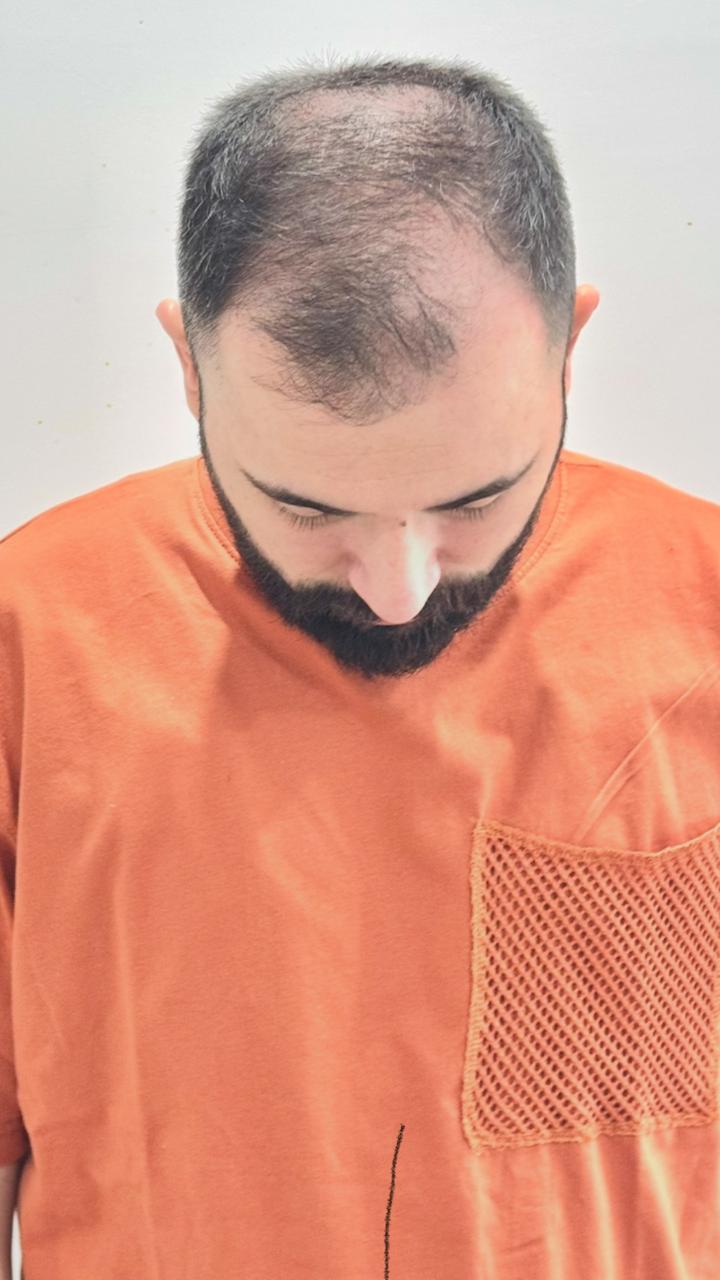
Intensive thinning in the crown and mid-scalp areas
Norwood pattern male hair loss
Following a detailed analysis, an advanced Norwood pattern was diagnosed, and a plan of 5800 grafts was created with the goal of achieving maximum natural density. During the planning phase, not only the current areas of hair loss but also the potential future progression of hair thinning were taken into consideration.
The operation was performed in Antalya by the Haarexclinic medical team.
|
Detail |
Information |
|---|---|
|
Patient |
Çağlar |
|
Age |
31 |
|
Country |
United Kingdom – Bristol |
|
Hair Loss Type |
Norwood |
|
Number of Grafts |
5800 |
|
Technique |
Sapphire FUE |
|
Operation Date |
January 25, 2025 |
|
Duration |
7 Hours |
|
Anesthesia |
Local |
The patient presented with:
Significant temple recession
Receded frontal hairline
Diffuse thinning in the mid-scalp area
Density loss in the crown
The thinning in the front-to-mid transition zone was especially noticeable under direct lighting. This condition affected both the aesthetic appearance and overall facial balance.
The donor area was strong and homogenous, allowing for a high graft count to be safely planned. Hair shaft thickness and donor density were suitable for a large-scale procedure.
The objective was not simply to lower the hairline, but to create a masculine and well-balanced hair design that would remain natural for many years. When designing the frontal hairline, the patient’s age and the possibility of future hair loss progression were carefully considered.
The Sapphire FUE technique was preferred because of its advantages:
Ability to create micro-incisions
Higher density implantation capability
More comfortable healing process
More precise angle and direction planning
The operation lasted a total of 7 hours. In high-graft procedures, the most critical factors are controlled donor management and precise implantation angles.
During the procedure:
Grafts were extracted from the donor area in a controlled and homogenous manner
The frontal hairline was designed with micro-irregularities for natural appearance
Dense support was provided to the mid-scalp
The crown area was implanted according to its natural swirl direction
The extensive 5800 graft procedure was completed with careful donor management. As a result, balanced density was achieved between the frontal, mid, and crown areas.
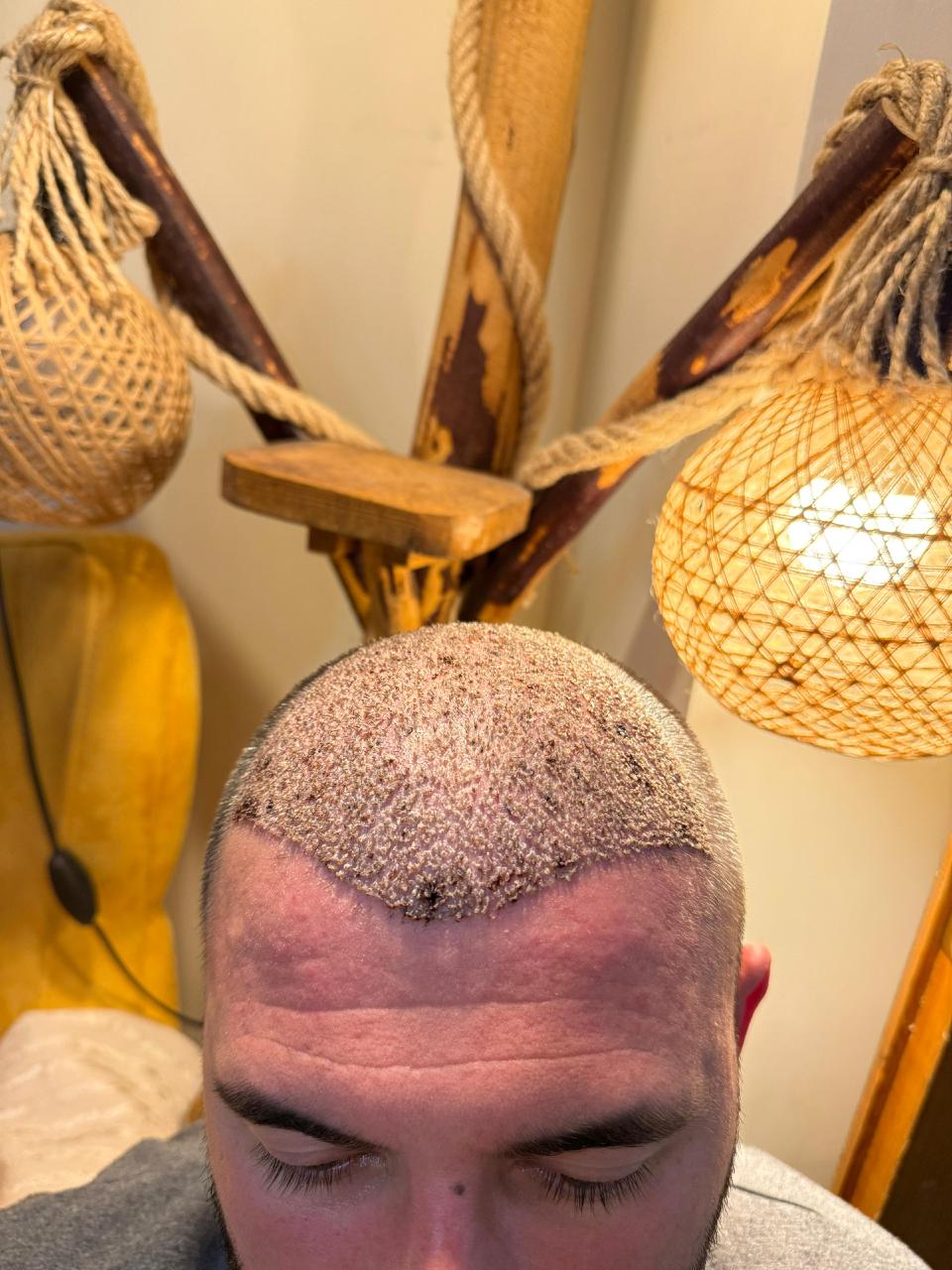
One week after the operation:
Micro crusting was present
Swelling was minimal
The hairline design was clearly visible
This phase represents a completely normal part of the healing process. The first week is one of the most important periods during which post-operative care instructions must be followed carefully.
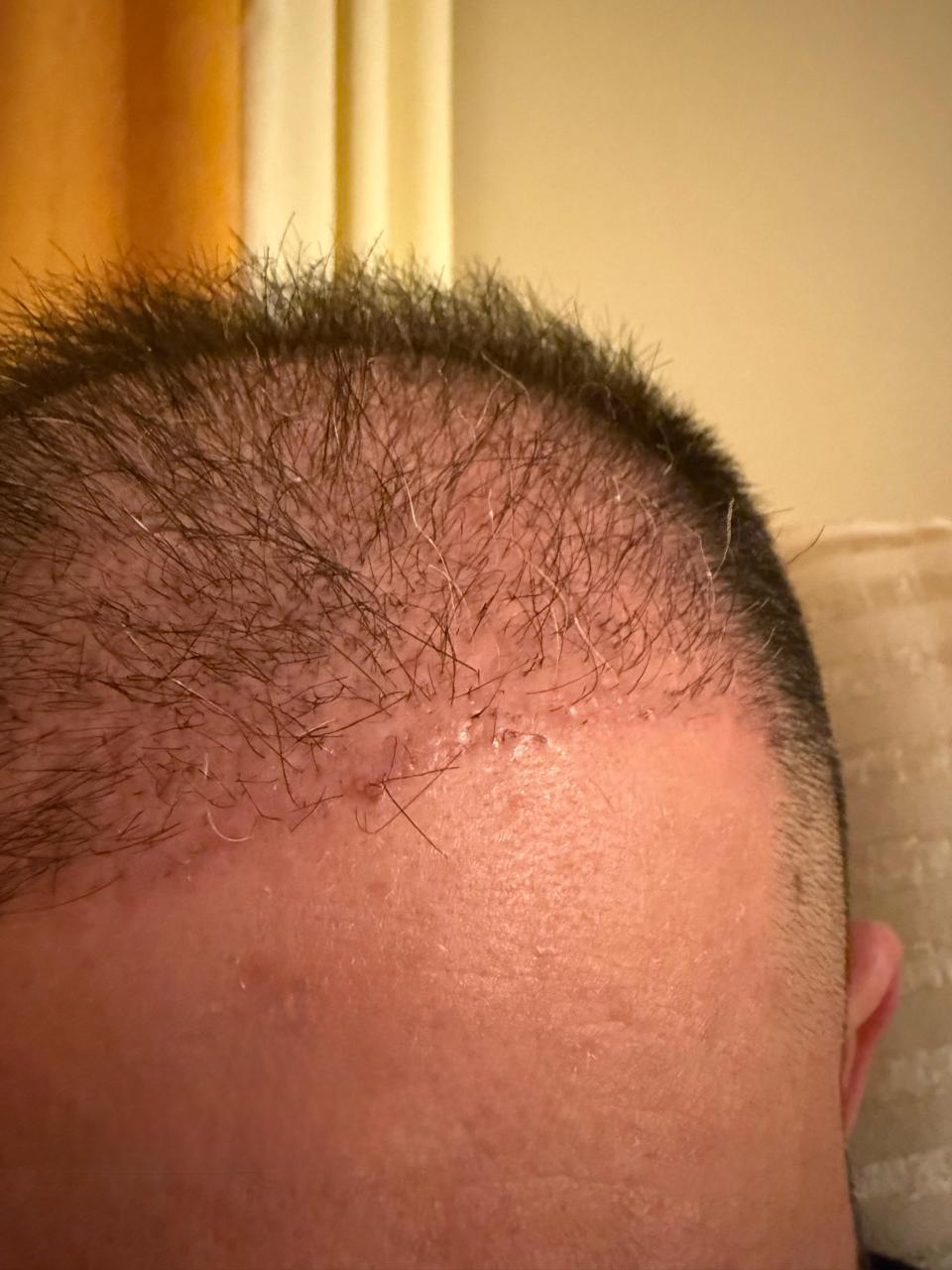
After the professional wash on day 10:
Micro crusts were fully removed
Grafts were completely stabilized
Redness significantly decreased
This stage indicates the completion of the critical early healing period. After this point, the transplanted grafts become more stable.
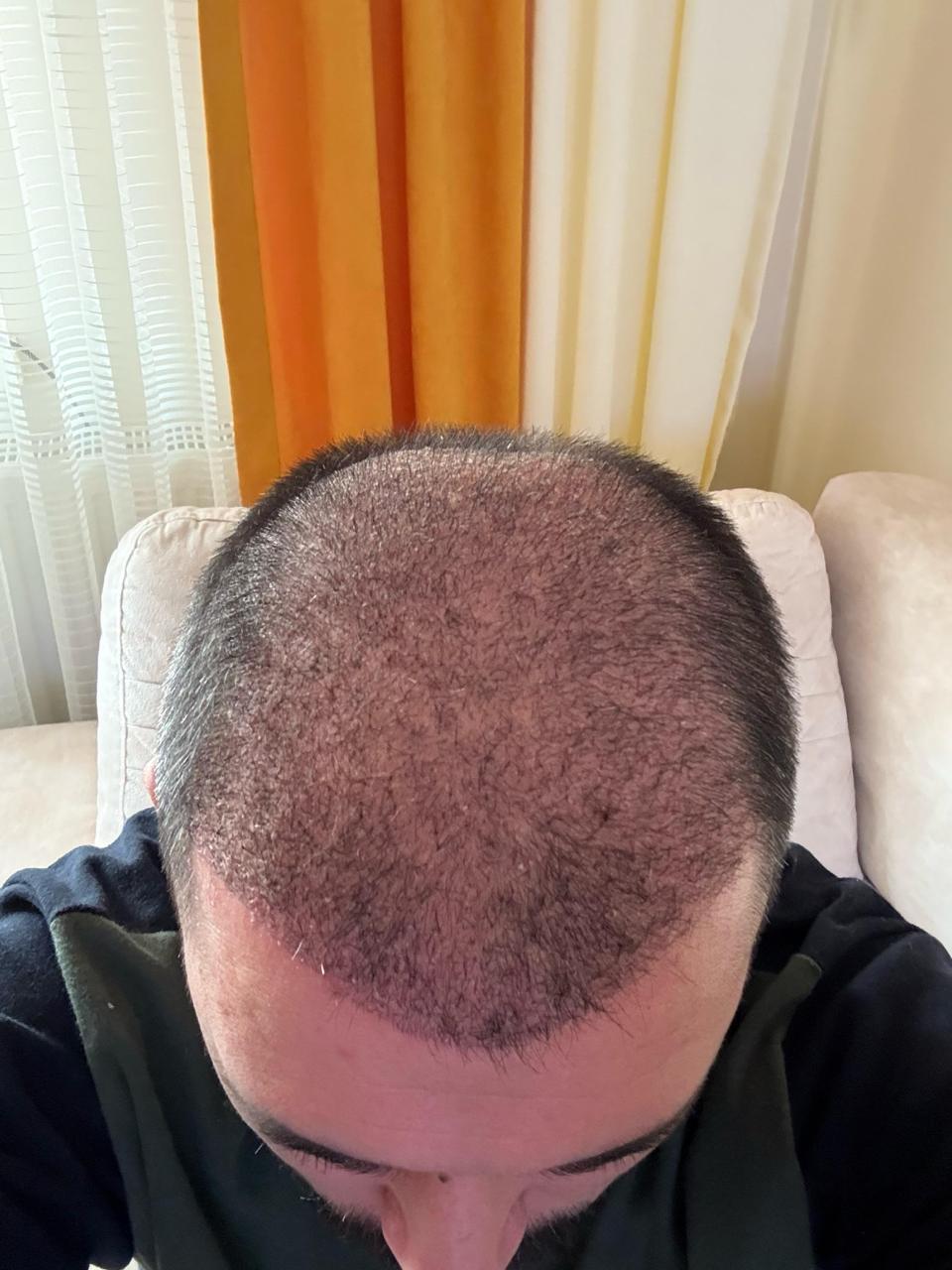
At the second month:
The shock loss phase began
The first new hair growth became visible
The frontal hairline shape started to become clearer
This period requires patience from patients. Newly growing hairs may initially appear thin and weak; over the following months, they gradually thicken and become denser.
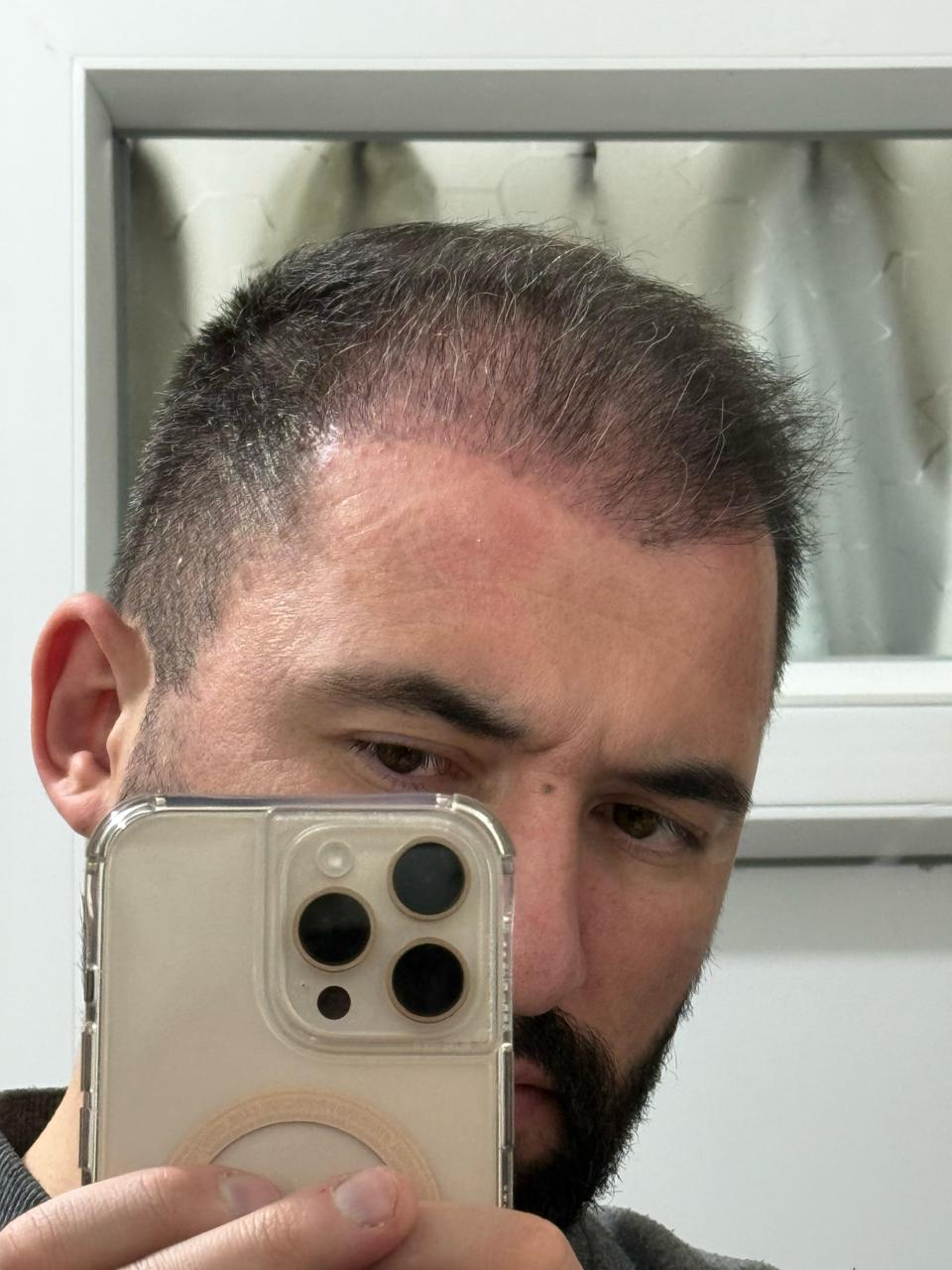
By the fourth month:
The frontal hairline became more defined
Density increased in the mid-scalp area
Hair shafts began to thicken
The transformation was now visibly noticeable from the outside. The framing effect of the frontal hairline contributed to a more balanced and youthful facial appearance.

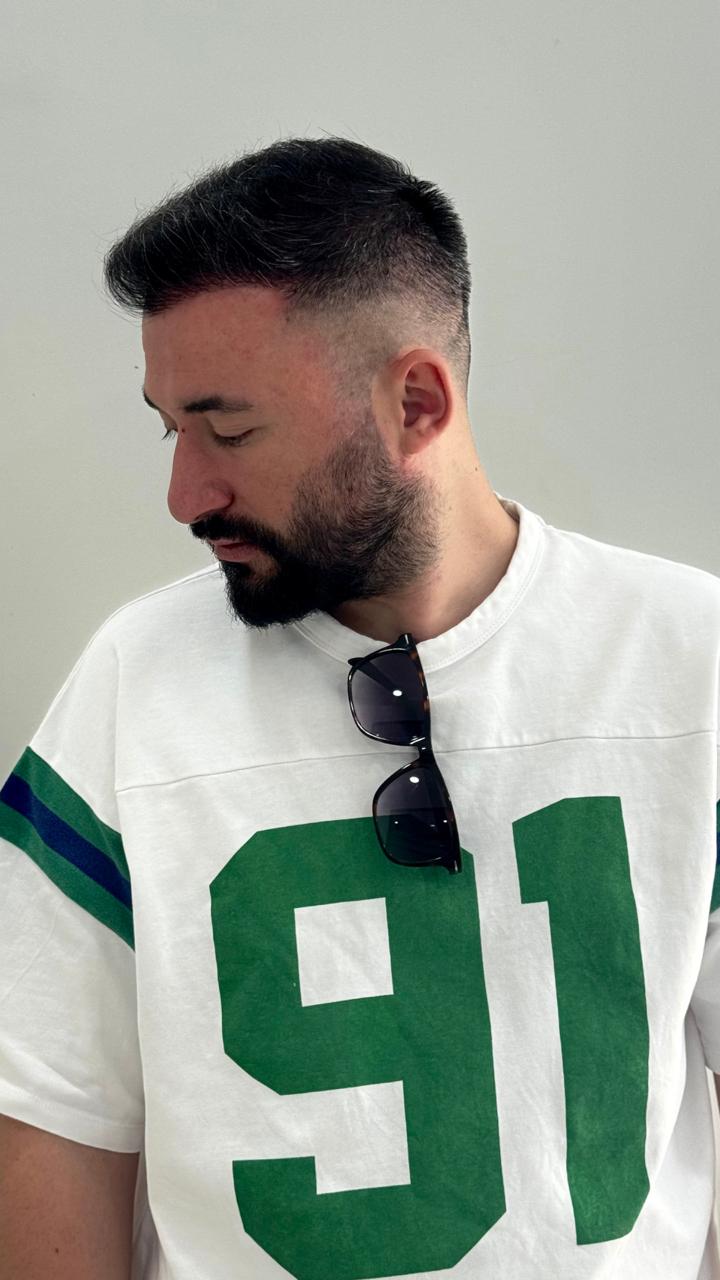
At the end of one year:
A natural and masculine hairline
Homogenous frontal density
Balanced fullness in the mid-scalp and crown areas
A healthy donor area with no visible scarring
were achieved.
Since the hairline was designed according to the patient’s age, the result is not exaggerated but natural and long-lasting. By the 12th month, the hair had matured, density had stabilized, and the overall appearance had become fully settled.
Patients with Norwood 4–6 hair loss
Individuals with open frontal, mid, and crown areas
Patients with strong donor capacity
Those seeking maximum coverage in a single session
Patients from the United Kingdom generally prefer Turkey because of:
High graft capacity procedures
Advanced techniques such as Sapphire FUE
Experienced medical teams
Structured medical tourism planning
Cost-performance advantage
Çağlar’s 5800 graft transformation demonstrates how critical proper planning and experienced execution are in advanced Norwood cases.
This case represents not just a hair transplant antalya , but the combination of:
proper design + correct density planning + careful donor management.


