

Undergoing hair transplant surgery is a major step toward restoring confidence and addressing long-term hair loss. Whether you’ve had a FUE hair transplant or another type of procedure, the recovery phase plays a crucial role in achieving a successful hair transplant outcome.
One of the most frequently asked questions during the recovery period is: When can I start drinking alcohol again? Many patients underestimate how drinking alcohol can influence the healing process, blood circulation, and even the survival of newly implanted grafts.
In this detailed guide, we’ll explain how alcohol consumption affects recovery, why most clinics recommend you avoid alcohol, how long you should wait, and what happens if you drink alcohol after hair transplant procedures too early.
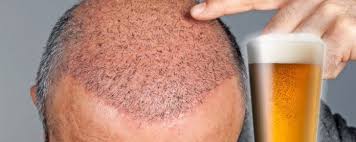
During hair transplant procedures, healthy hair follicles are extracted from a donor area and implanted into thinning or balding zones. These implanted units — known as hair grafts — require time to establish a new blood supply and stabilize in the scalp.
The first 7–14 days are critical.
The body initiates the healing process by:
Forming micro-clots around grafts
Reducing inflammation
Restoring blood flow
Activating the immune system
Alcohol interferes with several of these mechanisms.
Alcohol Thins the Blood
Alcohol acts as a blood thinner. After hair transplant surgery, stable clot formation around hair grafts is essential. If you begin consuming alcohol too early, it may:
Prolong bleeding
Disrupt clot stability
Increase swelling
Slow the healing process
This increases the risk of graft instability.
Alcohol Dehydrates the Body
Hydration is critical during the recovery period. Proper hydration supports:
Tissue regeneration
Nutrient transport
Oxygen delivery to hair follicles
Drinking alcohol dehydrates the body, which can delay healing and reduce optimal graft survival.
Alcohol Suppresses the Immune System
Your immune system is actively working after surgery to:
Prevent infection
Repair micro-wounds
Support follicle adaptation
Alcohol suppresses immune function, which increases the risk of infection and complications during the early post op phase.
A weakened immune response increases the risk of poor graft survival.
Most surgeons recommend abstaining from alcohol for at least:
7–10 days minimum
Ideally 2 weeks for safer recovery
Why?
The first 72 hours are the most critical. However, even after grafts anchor, internal healing continues.
Waiting two weeks helps:
Reduce the risk of complications
Stabilize hair grafts
Support optimal blood flow
Protect transplanted hair
If you want the best chance at a successful hair transplant, patience during the recovery period is essential.
If you drink alcohol after hair transplant surgery within the first few days, potential issues include:
Increased swelling
Prolonged redness
Delayed healing
Higher infection risk
Increased bleeding
While one small drink may not destroy your results, excessive early alcohol consumption increases the risk of graft displacement and complications.
After hair transplant procedures, some patients experience temporary shedding called shock loss. This occurs 2–4 weeks after surgery.
Although shock loss is primarily related to surgical trauma and hair growth cycles, excessive drinking alcohol can:
Impair nutrient delivery
Slow tissue repair
Potentially worsen inflammation
Healthy recovery habits support smoother regrowth.
Many patients worry: Does alcohol cause hair loss?
Chronic heavy drinking can contribute to:
Nutritional deficiencies
Hormonal imbalances
Poor circulation
While moderate alcohol does not directly cause permanent hair loss, during the early recovery period it may interfere with early follicle stabilization and hair growth progression.
Healthy hair follicles require:
Oxygen
Nutrients
Stable blood flow
Alcohol disrupts all three temporarily.
If you’ve undergone a fue hair transplant, the donor area consists of multiple tiny extraction sites.
Alcohol may:
Increase swelling in donor region
Slow micro-wound healing
Prolong redness
Although FUE healing is typically faster than older methods, abstaining from alcohol for 10–14 days helps reduce the risk of complications.
After hair transplant surgery, patients are often prescribed:
Antibiotics
Anti-inflammatory drugs
Pain relievers
Combining these medications with alcohol increases the risk of:
Liver stress
Stomach irritation
Reduced medication effectiveness
This is another reason surgeons advise you to avoid alcohol during early recovery.
For most healthy patients:
Light drinking may resume after 10–14 days
Moderate intake after 2 weeks
Heavy drinking should still be avoided
However, always consult your surgeon.
If you are still experiencing:
Swelling
Redness
Sensitivity
Active scabbing
It’s better to extend your abstaining from alcohol period.
Occasional moderate drinking after full healing does not damage transplanted hair permanently.
However, chronic excessive alcohol consumption may:
Weaken hair quality
Contribute to overall hair loss
Affect hormonal balance
A successful hair transplant depends not only on surgery but also on lifestyle.
The first three days are the most critical for graft survival.
During this period:
Grafts are fragile
Blood supply is stabilizing
Micro-wounds are closing
Even small amounts of alcohol during this phase increase the risk of bleeding and graft displacement.
Strict abstaining from alcohol during these days is strongly recommended.
Many patients travel for hair transplant procedures and wonder about drinking during tourism activities.
Even if you feel fine, your scalp is still healing.
If attending a social event:
Choose non-alcoholic options
Stay hydrated
Protect your scalp from sun exposure
Your results are more valuable than one night of drinking alcohol.
Alcohol dilates blood vessels. After surgery, this may:
Increase inflammation
Worsen swelling
Prolong redness
Inflammation delays the healing process and increases the risk of discomfort.
Reducing inflammation supports faster recovery.
Instead of consuming alcohol, focus on:
Drinking water
Eating protein-rich foods
Consuming vitamins
Avoiding smoking
These habits strengthen the immune system and support hair follicles.
Good recovery habits reduce the risk of complications and improve graft survival.
Here is a general guideline for alcohol after hair transplant surgery:
|
Time After Surgery |
Alcohol Recommendation |
|---|---|
|
0–3 Days |
Strictly avoid alcohol |
|
4–7 Days |
Avoid alcohol |
|
8–14 Days |
Light intake if healing well |
|
After 2 Weeks |
Moderate drinking allowed |
|
After 1 Month |
Normal lifestyle (if fully healed) |
Individual cases vary, so always consult your surgeon.
A successful hair transplant requires more than surgical skill — it requires responsible post op care.
While it may be tempting to resume normal routines quickly, abstaining from alcohol during the early recovery period:
Supports the healing process
Protects hair grafts
Reduces swelling
Strengthens the immune system
Helps reduce the risk of complications
If you are wondering whether to drink alcohol after hair transplant procedures, the safest answer is simple:
Wait at least 10–14 days.
Short-term discipline leads to long-term confidence and healthy hair growth.


