

Hairspray has been one of the most commonly used styling product options for decades. From holding hairstyles in place to adding volume and texture, hair spray is widely used by both men and women in daily grooming routines. However, with increased awareness around scalp health and hair thinning, many people now ask an important question: Can hairspray cause hair loss?
Concerns about hair loss, weakened strands, and long-term scalp damage have led to growing skepticism about cosmetic hair products. In this comprehensive guide, we will explore whether hairspray can truly contribute to hair loss, how it may damage your hair, its effects on hair follicles, and what role proper hair care and hygiene play in preventing potential problems.
We will also directly address two common concerns people search for online:
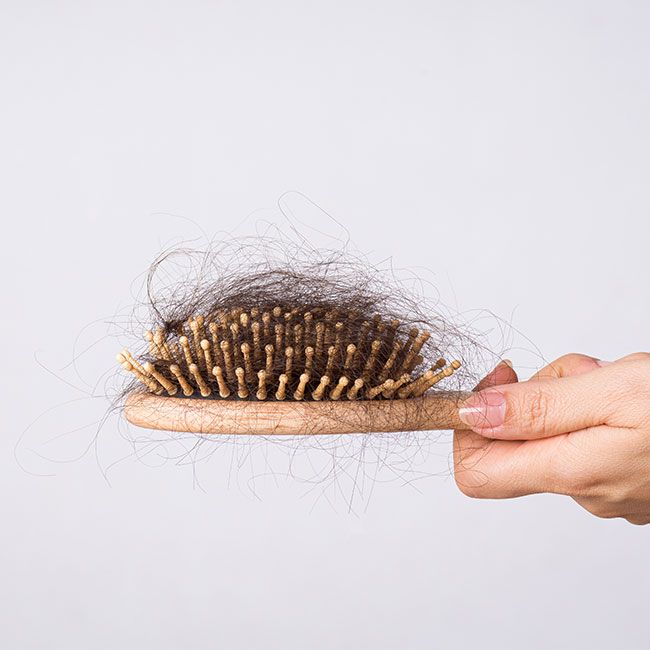
Before blaming any product, it is important to understand what hair loss actually means. Shedding 50 to 100 strands per day is considered normal and is part of the natural hair cycle. Problems arise when hair begins thinning excessively, falling out in clumps, or failing to regrow.
Common causes of hair loss include:
Cosmetic products like hairspray are rarely the primary cause, but they can influence scalp conditions that indirectly affect hair health.
Hair spray is designed to hold hair in place by coating strands with polymers that stiffen as they dry. Many formulas contain alcohol, resins, fragrances, and preservatives to improve performance and shelf life.
When used correctly, hairspray helps maintain hairstyles without altering the hair structure permanently. However, frequent or improper use can contribute to hairspray damage, especially when combined with other styling products.
From a medical standpoint, hairspray does not directly cause permanent hair loss. It does not penetrate deep enough into the scalp to destroy hair follicles. However, indirect factors linked to hairspray use can create conditions that may worsen hair shedding.
So, when people ask, can hairspray make you lose hair, the answer is nuanced:
Hairspray alone does not cause hair loss, but misuse can contribute to hair problems that appear like hair loss.
One of the biggest concerns associated with frequent hairspray use is hairspray build. When hair spray is applied repeatedly without proper cleansing, residue can accumulate on the scalp and hair shafts.
This build-up may:
Over time, an unhealthy scalp environment may weaken hair follicles and disrupt normal hair growth.
Scalp irritation is a key link between hairspray and hair shedding. Ingredients such as alcohol and artificial fragrances can irritate sensitive skin.
Symptoms may include:
Inflamed scalp tissue can interfere with hair follicles’ ability to function properly. While this does not usually cause baldness, it may increase temporary shedding and hair breakage.
A very common concern is: can hairspray cause baldness?
The clear answer is no.
Baldness is most commonly caused by genetics or hormonal factors, not styling products. Hairspray does not damage follicles at a level that leads to permanent hair loss. However, excessive breakage, hair leaving, and thinning from poor hair practices can make hair appear less dense.
Many people mistake damaged hair for hair loss. Hairspray can make hair stiff and brittle, especially when layered excessively.
This can lead to:
Broken hair gives the illusion of thinning, but this is different from hair falling out at the root.
While hairspray is not inherently dangerous, long-term misuse can damage your hair by:
This type of hairspray damage affects hair quality, not follicle survival.
Hair follicles are responsible for producing new hair. They require oxygen, nutrients, and a healthy scalp environment to function properly.
Poor hygiene, heavy product build-up, and chronic irritation can weaken follicles temporarily, slowing hair growth and increasing shedding.
One of the most effective ways to prevent hairspray-related issues is washing your hair properly. People who use hair spray frequently should never skip cleansing.
Benefits of proper washing:
Experts recommend washing your hair regularly, but not excessively. For most people, 2–4 times per week is ideal.
Good hair care practices can significantly reduce the risk of damage from styling products.
Healthy habits include:
Balanced care prevents hairspray bad outcomes.
People often ask whether hairspray is bad for your hair. The truth is that hairspray itself is not harmful when used responsibly.
Hairspray becomes a problem when:
In these cases, people may believe hairspray bad effects are causing hair loss, when it is actually improper care.
Hairspray does not stop hair growth, but unhealthy scalp conditions can slow the growth cycle. Hair growth depends on blood flow, nutrients, and follicle health.
Maintaining scalp cleanliness and avoiding excessive chemical exposure allows hair growth to continue normally.
Yes, any styling product — including hairspray — can contribute to temporary shedding if it causes irritation, build-up, or mechanical stress on the hair.
This does not mean permanent damage. Once the scalp recovers and hair care improves, shedding typically returns to normal.
These steps significantly reduce hairspray damage.
If hair loss continues despite improved hair care, the cause may not be hairspray at all. Persistent hair loss should be evaluated by a dermatologist or hair restoration specialist.
Medical causes such as hormonal imbalance or genetic hair loss require targeted treatment.
To summarize clearly:
So, can hairspray make you lose hair?
Only indirectly and temporarily — never as a primary cause.
While occasional use of hair spray rarely creates problems, long-term and frequent use may lead to cumulative effects on hair quality. Over months or years, repeated exposure to chemical styling agents can slowly weaken hair strands, especially when combined with heat tools or aggressive brushing.
Cumulative effects may include:
These changes often lead people to believe they are experiencing hair loss, when in reality the issue is progressive hair damage rather than follicle failure.
Hairspray does not chemically interrupt the biological hair growth cycle. However, chronic scalp irritation and poor scalp hygiene can disrupt the optimal environment needed for hair growth to function efficiently.
When scalp conditions are unhealthy:
This reinforces the importance of maintaining a clean scalp, especially for individuals who use styling products daily.
Healthy hair follicles depend on oxygen, blood flow, and proper sebum balance. Excessive hairspray build can form a residue layer that interferes with these processes.
If residue is not removed through proper washing your hair, the scalp may:
This does not cause baldness, but it can negatively influence hair thickness and strength over time.
Hairspray-related problems are often the result of poor habits rather than the product itself. Common mistakes include:
Correcting these habits significantly reduces the chance that hairspray will damage your hair.
Many people believe hairspray bad compared to wax, gel, or mousse. In reality, no styling product is inherently worse than another. The real issue lies in formulation and usage frequency.
Compared to other styling products:
When used moderately, hairspray can actually be one of the lighter styling options.
Individuals with sensitive or allergy-prone skin should be more cautious. Certain hairspray formulas may trigger scalp irritation, even with limited use.
Signs of sensitivity include:
Switching to hypoallergenic or fragrance-free products can help reduce these reactions.
Even temporary shedding caused by hairspray damage can have a psychological impact. Seeing hair on pillows, brushes, or in the shower may increase anxiety and stress — both of which are known contributors to hair loss.
This creates a cycle where:
Understanding the difference between cosmetic damage and medical hair loss is essential for mental well-being.
A common observation is increased hair fall while washing your hair after using hairspray. This does not mean hairspray caused the hair to fall out.
What actually happens:
This phenomenon can look alarming but is usually harmless.
Hair specialists often emphasize balance rather than elimination. According to dermatological guidelines:
When styling habits are adjusted, hair quality often improves within weeks.
If hair loss continues despite reducing hairspray use, the cause is likely unrelated. Conditions such as hormonal imbalance, nutritional deficiencies, or genetic predisposition are far more common causes of persistent hair loss.
In such cases, focusing solely on whether hairspray cause hair problems may delay proper diagnosis.
After examining scientific evidence and real-world hair care patterns, the conclusion remains clear:
So, when asking can hairspray cause baldness or can hairspray make you lose hair, the accurate answer is:
👉 Hairspray can contribute to temporary hair problems if misused, but it does not cause true hair loss.
To maintain healthy hair while using styling products:
With mindful habits, hairspray can remain a safe and effective part of your grooming routine — without compromising long-term hair health.


