

Hairlines are constantly under scrutiny in Hollywood, sports, and tech. High-definition cameras, red carpets, and social media make even subtle changes visible. Over the years, many public figures have either officially confirmed or strongly been suspected to undergo a hair transplantation to address a receding hairline or thinning linked to male pattern hair loss.
In this 2026 guide, we break down some of the most talked-about transformations. For each name, we analyze:
Early signs of hair loss
Visible before & after differences
Most likely technique used
Estimated graft range
Possible cost
Most modern hair transplant procedures rely on advanced methods like fue hair transplant, which offer natural results, minimal scarring, and a quick return to public life.
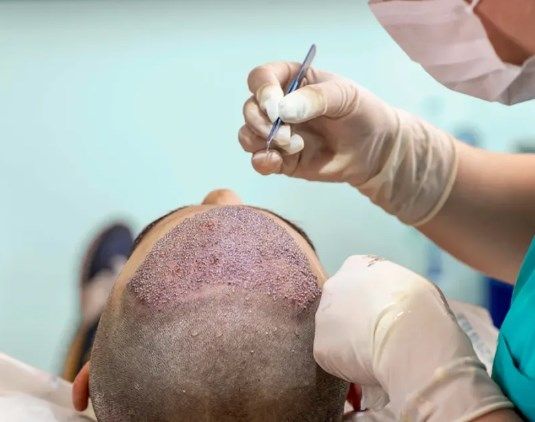
Few transformations are as striking as the widely discussed elon musk hair transplant case.
Before
In the late 1990s, Musk displayed:
Significant frontal thinning
Deep recession consistent with advanced Norwood scale stages
Visible scalp exposure
He appeared to be approaching Norwood 4–5, a clear case of progressive male pattern hair loss.
After
In the 2010s and beyond:
A restored frontal hairline
Improved temple density
Appearance of a full head of hair
The dramatic change strongly suggests surgical intervention.
Likely Procedure
Given the era, Musk may have undergone early strip surgery followed by later refinement with fue hair transplant. Today, such results would be achieved via staged FUE sessions.
Estimated Grafts
3000–5000+ grafts over multiple hair transplant surgeries.
Jamie Foxx has long been rumored to have had hairline correction.
Before
Slightly maturing hairline
Mild temple recession
After
Sharper, lower frontal edge
Increased symmetry
Stronger facial framing
Foxx has never officially confirmed undergoing a transplant, but his refined hairline appears surgically precise.
Likely Procedure
Conservative hair restoration procedure focusing on frontal lowering.
Estimated Grafts
1500–2500 grafts.
Unlike many celebrities, Gordon Ramsay openly discussed addressing thinning hair.
Before
Noticeable crown thinning
Frontal density loss
After
Fuller crown
Restored frontal density
Improved overall hair growth appearance
Procedure
Likely fue hair transplant combined with non-surgical hair loss treatment (PRP or medication).
Grafts
2000–3000 grafts.
Jude Law s hair transplant speculation has circulated for years.
Before
Deep temple recession
Prominent widow’s peak
Norwood 3–4 pattern
After
Mild reinforcement of temple zones
No dramatic lowering
Balanced, age-appropriate line
Law appears to have opted for subtle enhancement rather than aggressive correction.
The discussion around tom brady hair transplant centers on the stability of his hairline over two decades.
Observations
Maintained strong frontal density
Minimal visible aging at temples
No progression typical of untreated male pattern hair loss
While unconfirmed, long-term stability often suggests early intervention.
Likely graft estimate: 1500–2500.
The topic of lewis hamilton hair transplant has gained attention in recent years.
Before
Temple recession
Thinning frontal third
After
Fuller corners
Stronger framing
Improved density under HD lighting
Most likely procedure: fue hair transplant with targeted temple work.
Modern public figures prefer FUE because:
It leaves no linear scar
It is minimally invasive
Recovery time is short
It allows discretion
A top-tier hair transplant clinic specializing in celebrity work prioritizes natural results and privacy.
The Norwood scale is used to classify stages of male hair loss:
Norwood 1–2 → Mild recession
Norwood 3 → Noticeable temple loss
Norwood 4–5 → Frontal + crown thinning
Norwood 6–7 → Advanced baldness
Most celebrities intervene between stages 2–4 for the most natural results.
Across cases, trends include:
Conservative hairline lowering
Density reinforcement instead of full reconstruction
Age-appropriate design
Multiple small sessions rather than one large surgery
Modern hair restoration procedure philosophy prioritizes subtlety.
Pricing varies by country and surgeon reputation.
United States
$10,000 – $25,000+
United Kingdom
£7,000 – £18,000
Turkey
€2,000 – €6,000 (premium clinics)
High-profile cases may exceed these ranges due to VIP services.
Some celebrities have officially confirmed procedures (e.g., Gordon Ramsay). Others have never commented.
It is important to distinguish between:
Confirmed statements
Visual speculation
Media rumor
However, before-and-after photographic analysis often reveals structural density improvements consistent with surgical intervention.
Early 2000s:
Visible plug-like grafts
Linear scars
2026:
Micro punch extraction
Single-hair graft placement
Density gradients
Seamless blending
Modern techniques make even significant restorations appear completely natural.
Not always.
Outcome depends on:
Donor supply
Hair texture
Surgeon skill
Realistic expectations
However, many celebrities achieve a convincing full head of hair through staged planning.
From elon musk hair transplant discussions to subtle refinements attributed to jamie foxx, gordon ramsay, jude law s hair transplant, tom brady hair transplant, and lewis hamilton hair transplant, modern hair restoration has become mainstream among public figures.
Most transformations involve:
Early intervention
Advanced FUE techniques
Conservative design
Focused density enhancement
Hair transplant surgeries in 2026 are more refined, natural, and discreet than ever before.
Modern hair transplant procedures have evolved dramatically compared to the early 2000s. What separates today’s celebrity hair transformations from older plug-style results is precision.
Key differences include:
Micro punch extraction
Single-hair graft placement at the frontal edge
Natural irregular hairline design
Density gradient planning
Angle and direction control
In elite-level hair transplant surgeries, surgeons do not aim for a perfectly straight hairline. Instead, they recreate natural asymmetry that mimics real hair growth patterns.
Public figures live under constant visual evaluation. Even mild male pattern hair loss can impact:
Perceived age
Authority presence
Camera confidence
Brand marketability
For actors, athletes, and entrepreneurs, correcting a receding hairline is often part of image management rather than vanity.
Many celebrities intervene early — usually around Norwood 2–3 — when graft numbers are lower and results appear most natural.
Looking at cases like elon musk hair transplant, the transformation was dramatic because intervention occurred at a more advanced Norwood scale stage.
In contrast:
tom brady hair transplant speculation centers on early maintenance.
lewis hamilton hair transplant discussions involve temple refinement.
jude law s hair transplant rumors suggest conservative frontal reinforcement.
jamie foxx appears to have opted for precise hairline shaping.
gordon ramsay acknowledged treatment when thinning was visible but not severe.
The lesson?
Early action requires fewer grafts and produces more subtle outcomes.
A premium hair transplant clinic working with high-profile clients typically emphasizes:
Conservative hairline lowering
Respect for age progression
Strategic donor management
Minimal downtime
Discretion and privacy
Most celebrity cases likely involve:
FUE hair transplant for minimal scarring
Supplemental non-surgical hair loss treatment
Possibly staged sessions over several years
The donor area is finite.
In advanced cases like the suspected carell s hair transplant or elon musk hair transplant, long-term planning is critical.
Surgeons must:
Avoid overharvesting
Maintain density balance
Preserve graft supply for future aging
Modern hair restoration surgery focuses on lifetime strategy, not just immediate density.
Interestingly, achieving a full head of hair appearance does not always require extremely high graft numbers.
Illusion techniques include:
Strategic frontal density
Temple peak restoration
Layered density placement
Thick hair shaft utilization
Celebrity stylists then enhance volume with:
Texture cutting
Subtle color blending
Strategic parting
Together, surgical and cosmetic refinement amplify results.
Even high-profile clients follow the same biological process:
Month 1 → Shedding phase
Month 3–4 → Early regrowth
Month 6 → Visible density improvement
Month 12 → Mature final result
The difference is that many celebrities time procedures between filming seasons or tours.
This explains noticeable changes between:
Early and later seasons of The Office
NFL off-seasons
Film production breaks
Not necessarily.
Some may use:
PRP injections
Prescription medication
Low-level laser therapy
Scalp micropigmentation
However, structural reversal of a deep receding hairline typically requires surgical intervention.
Sustained density improvements over years strongly suggest a hair restoration procedure rather than temporary styling.
While base pricing varies, elite celebrity-level procedures often include:
Private surgical suite
Discretion agreements
Custom density mapping
Long-term follow-up care
Adjunct PRP sessions
Estimated Global High-End Pricing (2026):
|
Country |
2000 Grafts |
3000 Grafts |
|---|---|---|
|
USA |
$12,000 – $25,000 |
$18,000 – $35,000 |
|
UK |
£8,000 – £18,000 |
£12,000 – £25,000 |
|
Turkey (Premium) |
€2,500 – €6,000 |
€4,000 – €8,000 |
For celebrities, total cost may exceed these ranges.
Across cases like:
elon musk hair transplant
tom brady hair transplant
lewis hamilton hair transplant
jude law s hair transplant
Common features include:
✔ No aggressive straight lines
✔ Age-appropriate density
✔ Slight irregularity in frontal edge
✔ Balanced temple peaks
✔ No obvious surgical tell signs
Transplanted follicles are resistant to DHT. This means:
Permanent graft survival
Continued natural growth cycles
No rejection
However, native non-transplanted hair may continue thinning. That’s why many celebrities combine surgery with preventative hair loss treatment.
When public figures subtly improve their hairlines:
It normalizes hair transplant surgeries
Reduces stigma
Encourages early intervention
Elevates demand for advanced clinics
The rise in modern celebrity hair transformations has significantly boosted the global hair restoration industry.
From tech moguls to Hollywood actors and elite athletes, the shift toward discreet, high-quality hair restoration surgery has become mainstream.
While only some have officially confirmed procedures, visible structural improvements in hair density and hairline geometry strongly indicate that many have chosen to undergo a hair transplantation at some stage of their careers.
Modern hair transplant procedures in 2026 prioritize:
Natural results
Conservative design
Minimal scarring
Long-term sustainability
Strategic donor management
The era of obvious hair plugs is over.
Today’s celebrity transformations represent the peak of refined, undetectable modern hair restoration.
Modern celebrity cases are not just about adding hair — they are about strategic design.
Top surgeons approach celebrity hair transplant procedures using three core principles:
Conservative Hairline Philosophy
Density Gradient Engineering
Lifetime Donor Management
Unlike regular patients who may want aggressive lowering, celebrities typically prefer:
Subtle frontal reinforcement
Temple peak refinement
Natural asymmetry
Age-appropriate placement
This is why cases like elon musk hair transplant and tom brady hair transplant look balanced rather than artificial.
Understanding the Norwood scale explains why different celebrities required different approaches.
Norwood 2–3 (Early Intervention)
Example: Subtle temple reinforcement cases
Requires 1500–2500 grafts
Preventative density focus
Norwood 3–4 (Moderate Recession)
Example: Widely speculated jude law s hair transplant
2000–3500 grafts
Frontal and temple correction
Norwood 4–5+ (Advanced Cases)
Example: Early-stage elon musk hair transplant speculation
4000–6000 grafts
Possibly multiple sessions
The earlier the intervention, the more natural the outcome.
One major difference in elite-level work is hairline geometry.
A successful celebrity hair restoration procedure includes:
Soft micro-irregularities
Single-hair graft placement in the first row
Gradual density layering behind
Temple angle preservation
Straight, sharp hairlines often signal artificial work.
Subtle feathering creates realism.
This is likely why transformations such as lewis hamilton hair transplant discussions highlight naturalness rather than obvious change.
A crucial but rarely discussed factor is the donor area.
In high-profile cases:
Surgeons avoid overharvesting
Extraction zones are widely dispersed
Density preservation ensures future flexibility
Advanced FUE planning ensures that even under close media scrutiny, the donor area appears untouched.
This is particularly important in cases like gordon ramsay, where short hairstyles expose the back of the scalp.
Not all transformations occur in a single procedure.
Some celebrities likely:
Undergo a hair transplantation early (2000–2500 grafts)
Later return for minor refinement (1000–1500 grafts)
Combine with ongoing hair loss treatment
This staged approach creates progressive enhancement rather than sudden visible change.
Many celebrities combine surgery with:
DHT blockers
PRP injections
Laser therapy
Advanced topical regimens
This protects native hair and stabilizes male pattern hair loss progression.
Surgery restores density.
Medical treatment preserves it.
Elite-level cases differ from typical procedures because:
Image management is strategic
Media visibility is constant
Aging is publicly documented
Thus, conservative design is prioritized over dramatic transformation.
The goal is not to look “different.”
The goal is to look consistently youthful.
Beyond the base graft price, high-profile cases often include:
Private surgical teams
Confidentiality agreements
Off-hour clinic scheduling
Dedicated follow-up support
This can significantly increase cost beyond standard market pricing.
Before advanced fue hair transplant technology:
Hair plugs looked unnatural
Density appeared patchy
Linear scars were common
Today’s modern hair restoration uses:
Ultra-micro punch tools
Robotic-assisted extraction
Sapphire blade channel creation
High survival graft preservation
This evolution explains why recent celebrity hair transformations are far more convincing than older examples.
Hair transplant surgeries follow biological cycles:
Immediate implantation
Temporary shedding phase
Dormant stage
Gradual regrowth
Density maturation
When viewers compare early and later seasons of shows or sports seasons, the natural regrowth timeline often explains visible improvement.
For example, changes between seasons of The Office fueled speculation regarding Steve Carell’s transformation.
✔ Correct angle placement
✔ Respect for facial proportions
✔ Avoidance of overly low hairline
✔ Temple symmetry
✔ Natural texture blending
When done correctly, the result looks like improved genetics rather than surgery.
Public figures have:
Normalized hair transplant procedures
Reduced stigma around male cosmetic treatments
Increased global demand
Encouraged early-stage intervention
The visibility of cases such as jamie foxx, gordon ramsay, jude law s hair transplant, tom brady hair transplant, and lewis hamilton hair transplant has reshaped public perception of hair restoration.
Celebrity hair transplant transformations demonstrate how advanced hair transplant procedures in 2026 prioritize:
Subtle refinement
Strategic donor planning
Age-appropriate density
Natural hair growth patterns
Long-term sustainability
While only some celebrities have officially confirmed their procedures, consistent structural improvements strongly suggest surgical intervention in many cases.
Modern techniques allow individuals — whether public figures or private patients — to restore confidence without obvious surgical signs.


