

Antibiotics are among the most commonly prescribed medications worldwide. They save lives, control serious infections, and help the body recover from bacterial diseases. However, many patients ask the same worrying question after finishing a course of antibiotics: Do antibiotics cause hair loss?
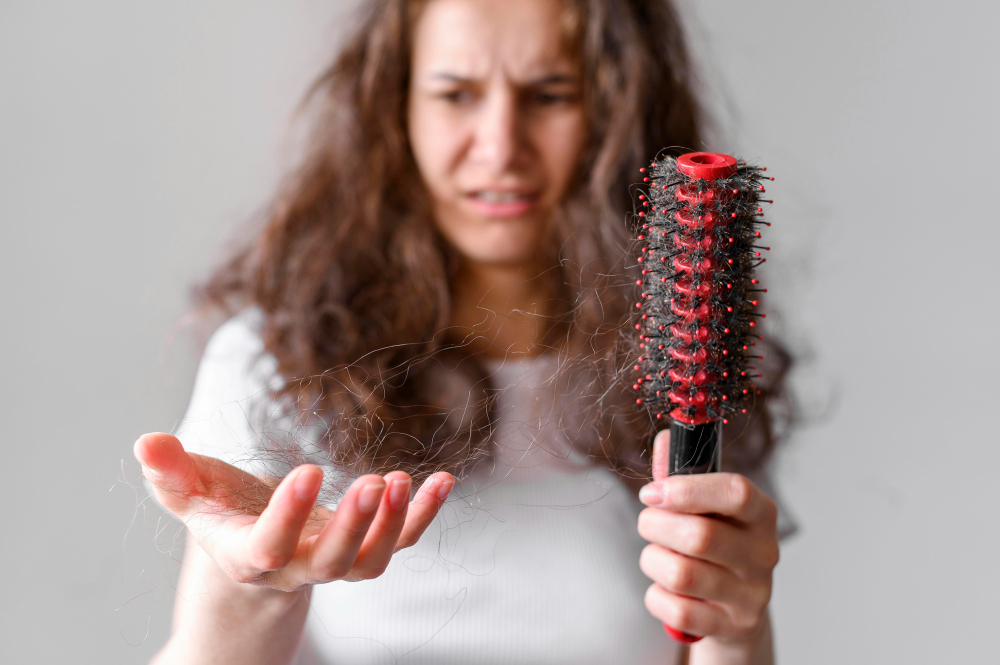
If you have noticed increased hair fall, thinning, or excessive hair shedding weeks or months after antibiotic treatments, you are not alone. This article provides a complete medical explanation of whether antibiotics can cause hair loss, what type of hair loss is involved, who is at risk, and—most importantly—what you can do about it.
👉 Good news: In most cases, antibiotic-related hair loss is temporary and fully reversible.
Antibiotics are medications designed to kill or inhibit bacteria. Doctors prescribe them to treat a variety of infections, including:
Respiratory infections
Urinary tract infections
Skin and soft tissue infections
Gastrointestinal infections
While antibiotics target harmful bacteria, they can also affect beneficial bacteria in the gut. This imbalance can influence nutrient absorption, immune function, and overall hair health.
The short answer is: not directly, but they can trigger hair loss indirectly.
Antibiotics are not toxic to the hair follicle itself. However, they may create internal conditions that disrupt the normal hair growth cycle. This disruption can lead to temporary hair shedding, which many people interpret as hair loss.
In medical terms, this condition is most often called telogen effluvium.
Telogen effluvium is a temporary type of hair loss caused by physical or emotional stress on the body. Antibiotics can act as one of these stressors, especially when combined with illness.
How Telogen Effluvium Works
Hair normally grows in cycles
Stress forces many hair follicles into the resting (telogen) phase
2–3 months later, noticeable hair shedding begins
This explains why people often start experiencing hair loss weeks after finishing antibiotic treatments—not during them.
Often, the infection itself—not the antibiotic—is the main trigger. High fever, inflammation, and immune response can shock the hair cycle and cause hair fall.
Antibiotics may disrupt gut bacteria, reducing absorption of key nutrients such as:
Vitamin B12
Iron
Zinc
A deficiency in vitamin B12, in particular, is strongly linked to hair thinning and impaired hair growth.
Long or repeated antibiotic use may temporarily affect metabolic balance. This can influence hair cycling in both men and women, sometimes more noticeably in women due to hormonal sensitivity.
Not all antibiotics carry the same risk. Hair shedding has been reported more frequently with:
Long-term antibiotic use
Broad-spectrum antibiotics
Combination antibiotic therapies
Still, this side effect is uncommon and usually short-term, not long term or permanent.
You may be dealing with antibiotic-related hair loss if you notice:
Sudden increase in hair shedding while washing or brushing
Thinning across the entire scalp rather than specific areas
No visible scarring or bald patches
Hair shedding starting 2–4 months after treatment
This pattern strongly points toward telogen effluvium rather than permanent hair loss.
Many patients worry about scarring alopecia, a permanent form of hair loss.
Key Differences:
Scarring alopecia: Hair follicles are destroyed, hair does not regrow
Antibiotic-related hair loss: Hair follicles remain alive, and hair grows back
Antibiotics do not cause scarring alopecia.
👉 Good news: Yes, in most cases.
Once the body recovers and the hair cycle normalizes:
Shedding slows down within 3–6 months
New hair growth becomes visible
Full recovery may take 9–12 months
As long as the hair follicle is healthy, hair grows again naturally.

Check blood levels and correct deficiencies, especially:
Vitamin B12
Iron
Zinc
These nutrients are essential for strong hair strands and overall hair health.
Omega-3 fatty acids help reduce inflammation and support scalp circulation. They may improve hair quality and shorten recovery time after shedding.
Avoid:
Excessive heat styling
Tight hairstyles
Aggressive brushing
Gentle care supports the natural regrowth process while treating hair conservatively.
In some cases, doctors may recommend:
PRP (Platelet-Rich Plasma)
Mesotherapy
Medical-grade topical treatments
These are supportive therapies, not surgical solutions.
In antibiotic-related hair loss, hair transplants are usually not needed.
Why?
Hair follicles are still alive
Hair loss is temporary
Natural regrowth is expected
Hair transplantation is only considered if:
Hair loss continues beyond 12 months
Genetic hair loss is also present
Both men and women can experience antibiotic-related hair shedding. However:
Women often notice it more due to longer hair
Hormonal fluctuations may intensify shedding in women
The underlying mechanism remains the same.
While antibiotics should never be avoided when medically necessary, you can reduce risks by:
Avoiding unnecessary antibiotic use
Supporting gut health with proper nutrition
Monitoring vitamin levels
Managing stress and sleep
These steps protect overall health and minimize unwanted side effects.
Consult a specialist if:
Hair shedding lasts longer than 6 months
Bald patches appear
Scalp pain, redness, or itching develops
Persistent symptoms may indicate another type of hair loss requiring evaluation.
To summarize:
Antibiotics do not directly damage hair follicles
They can trigger telogen effluvium indirectly
Hair loss is usually temporary
Proper care and nutrition help recovery
Most people regain full hair density
Antibiotics remain essential, life-saving medications. With the right knowledge and support, their temporary side effects can be managed safely and effectively.


