

Hair loss affects millions of people worldwide and can significantly impact confidence, self-image, and quality of life. As a result, hair transplant surgery has become one of the most effective and permanent solutions.
But for almost everyone considering it, one question comes first:
Does a hair transplant hurt?
This is a completely natural concern. In this comprehensive guide, we’ll explain pain levels at every stage, how anesthesia works, what patients actually feel, and how discomfort is managed—before, during, and after the hair transplant procedure.
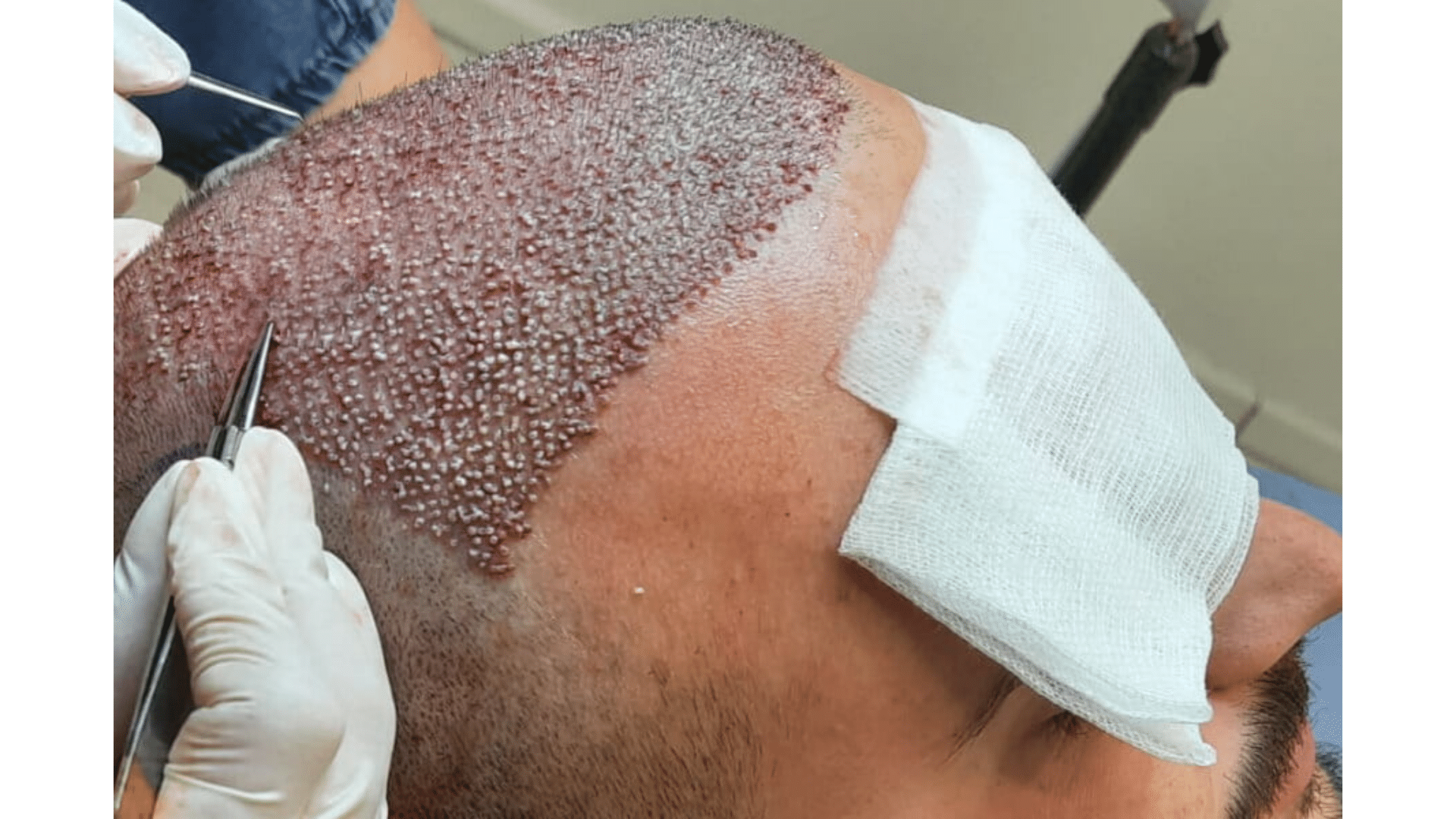
The fear usually comes from imagining:
Needles in the scalp
Long surgical hours
Sensitive donor and recipient areas
However, modern hair restoration surgery has evolved dramatically. Today’s procedures are designed to be as pain free as possible, using refined anesthesia techniques and minimally invasive methods.
The honest answer is:
👉 Hair transplant surgery is not painful, but it is not 100% sensation-free either.
Most discomfort is:
Mild
Short lived
Easily controlled with anesthesia and pain relievers
Patients are often surprised by how manageable the experience actually is.
To understand this clearly, let’s break the process down step by step.
Before surgery:
No physical pain is involved
Patients may feel anxiety or tension
The hair transplant surgeon explains the entire process
Mental stress is often mistaken for physical pain, but once the procedure begins, anxiety usually drops significantly.
Local Anesthesia Explained
Hair transplant surgery is performed under local anesthesia, not general anesthesia. This means:
You are awake
You feel pressure, but not pain
You can eat, drink, and talk during breaks
Does the Anesthesia Injection Hurt?
This is usually the most uncomfortable moment, but:
It lasts only seconds
The sensation is a brief sting or pressure
Modern techniques minimize discomfort
Many clinics use:
Fine needles
Slow injection techniques
Cooling or vibration methods
Once anesthesia takes effect, the scalp becomes numb.
After anesthesia:
The procedure itself is pain free
Patients feel pressure or movement
No sharp pain is felt
Whether the type of hair transplant is FUE or FUT, the numbing effect prevents pain during the actual work on hair follicles.
With follicular unit extraction:
Individual follicular units are removed from the donor area
No stitches are required
Trauma to the scalp is minimal
Most patients report:
No pain
Mild vibration sensation
Occasional pulling feeling
FUE is considered one of the most comfortable forms of hair transplant surgery.
With follicular unit transplantation:
A thin strip is removed from the donor area
Sutures are used
Slightly more post-op tightness may occur
However:
The surgery itself is still pain free
Post-operative discomfort is usually mild
Counter pain medication easily controls it
During implantation:
Hair grafts are placed into tiny channels
The scalp remains numb
No pain is felt
Patients often:
Watch TV
Listen to music
Even fall asleep
This phase can last several hours but remains comfortable.
Once anesthesia wears off, mild discomfort can appear. This is normal and temporary.
Common Sensations
Tightness in the scalp
Mild soreness in the donor and recipient areas
Slight burning or itching
These effects are:
Expected
Short lived
Easily managed
For most patients:
Day 1–2: Mild soreness
Day 3–5: Rapid improvement
After 1 week: Minimal to no pain
Serious pain is not typical and should always be reported to your clinic.
Doctors usually prescribe:
Mild pain relievers (paracetamol-based)
Anti-inflammatory medication if needed
Strong painkillers are rarely necessary. Most patients describe discomfort as far less than expected.
Some people confuse side effects with pain.
Common side effects include:
Swelling (especially forehead)
Redness
Scabbing
Temporary numbness
These are part of healing, not pain—and they resolve naturally.
Generally:
The donor area may feel slightly more sore
The recipient area is usually painless
This is because extraction involves deeper tissue than implantation.
Pain has no negative effect on hair growth.
Transplanted follicles are not harmed by mild discomfort
Pain does not reduce graft survival
Growth depends on follicle health, not sensation
Discomfort is part of surface healing, not follicle damage.
Pain tolerance varies, but:
Most patients rate pain 1–3 out of 10
Very few describe it as “painful”
Anxiety often exaggerates expectations
Clear communication with your hair transplant surgeon helps manage both fear and comfort.
In practical terms: Yes, almost.
With:
Proper anesthesia
Experienced surgeons
Modern techniques
The procedure is close to pain free, with only minor moments of discomfort.
Patients often compare hair transplant pain to:
Dental procedures (similar or less)
Tattooing (less painful)
Minor cosmetic procedures (similar)
Most agree it’s much easier than expected.
Fear of pain is often worse than pain itself.
Once patients realize:
They are comfortable
The process is controlled
They are monitored continuously
Stress drops dramatically.
You should always speak up.
The medical team can:
Add more anesthesia
Adjust technique
Pause if needed
Modern hair transplant surgery prioritizes patient comfort.
Pain does not damage transplanted hair or hair grafts.
What matters more:
Following aftercare instructions
Avoiding trauma
Using prescribed medications
Slightly higher discomfort may occur in:
Very anxious patients
People with low pain tolerance
Those undergoing FUT rather than FUE
Even in these cases, pain remains manageable.
No.
Long-term pain after hair restoration surgery is extremely rare. Any lingering sensation usually fades within weeks as nerves regenerate.
Fear of pain should not stop someone from treating hair loss.
Modern techniques, experienced surgeons, and advanced anesthesia mean:
Surgery is comfortable
Recovery is smooth
Results are permanent
An experienced hair transplant surgeon:
Uses gentle anesthesia techniques
Minimizes trauma to hair follicles
Reduces post-op discomfort
Skill and experience directly affect comfort levels.
Any minor discomfort is temporary. The final results—natural density, restored confidence, and permanent hair—last for years.
Most patients say:
“If I knew it was this easy, I would have done it sooner.”
Let’s summarize clearly:
✅ Surgery itself is pain free
⚠️ Anesthesia injections cause brief discomfort
✅ Post-op pain is mild and short lived
✅ Pain relievers easily control soreness
❌ Severe or long-term pain is not normal
Bottom Line
Hair transplant surgery does not hurt in the way most people imagine.
The fear is far worse than the reality.
Hair transplant pain is minimal
Modern techniques prioritize comfort
Anesthesia makes the procedure pain free
Recovery discomfort is mild and temporary
Results far outweigh temporary sensations


