
Female Hair Transplant Antalya
Female Hair Transplant is a specialized hair restoration process planned for women experiencing visible thinning, changes in the hairline, loss of density, or localized hair loss. At Haarex Clinic, female hair restoration is approached with a separate evaluation process because hair loss patterns, aesthetic expectations, and treatment needs in women differ from male-pattern hair loss.
Hair loss in women may appear as diffuse thinning, widening of the part line, reduced density in the frontal area, temple recession, or localized shedding related to hormonal, nutritional, or genetic factors. Therefore, Female Hair Transplant requires careful analysis, controlled planning, and a natural density strategy that protects existing hair.
At Haarex Clinic, the aim is not to create an artificial change, but to improve visible density while preserving the soft transition, direction, and natural flow of the hair. Each treatment plan is prepared according to scalp condition, donor area capacity, hair shaft quality, thinning pattern, and long-term expectations.

Female Hair Transplant Requires a Different Evaluation
Female Hair Transplant begins with understanding the cause of hair loss and the type of thinning. In women, thinning may develop due to genetic predisposition, hormonal changes, iron deficiency, thyroid-related conditions, stress, the postpartum period, menopause, medication history, or scalp problems.
Before transplant planning, the hair and scalp should be evaluated carefully. If shedding is active or related to a correctable cause, supportive care may be recommended before considering hair transplantation. This approach helps protect existing hair and avoids unnecessary intervention.
Female hair transplantation should only be planned when the donor area is suitable and the thinning area can benefit from graft placement. At Haarex Clinic, evaluation focuses on both medical suitability and visual harmony.
Density Planning in Female Hair Transplant
Female Hair Transplant is often planned around improving density rather than creating an entirely new hairline. In many female cases, the goal is to reduce the visibility of thinning areas while preserving the natural appearance of existing hair.
Key planning points include:
| Planning Area | Clinical Focus |
|---|---|
| Hair part line | Reducing visible scalp appearance |
| Frontal area density | Creating a softer and fuller appearance |
| Temple area | Supporting facial balance in suitable cases |
| Existing hair | Protecting natural hair during planning |
| Donor area | Preserving long-term graft capacity |
| Scalp health | Evaluating suitability before treatment |
Density planning in women should be controlled and precise. Placing too many grafts into a thinning area may create scalp stress or an unnatural appearance. A balanced approach is more suitable for long-term naturalness.

Hairline Softness in Female Hair Transplant
In Female Hair Transplant planning, the hairline should be designed more softly than many standard hair transplant plans. Female hairlines usually have a more delicate transition, and the frontal area should not be planned as a sharp or overly dense line.
A natural female hairline depends on the following factors:
- Forehead structure
- Temple balance
- Hair direction
- Hair thickness
- Existing density
- Facial proportions
- Long-term thinning risk
The hairline should frame the face softly. Single grafts and delicate transitions are important in the frontal area. If the line is planned too low, too straight, or too dense, the result may not look natural.
At Haarex Clinic, female hairline planning is handled as an aesthetic design process. The aim is to improve the visible frame of the face while keeping the result elegant and realistic.
Female Hair Transplant Visual Process
In this section, images from two different female hair restoration processes are presented in small, organized cards without disrupting the user experience. The images are placed in sequence, and each photo can be opened in a new tab for detailed review.
Female Hair Transplant Process Images
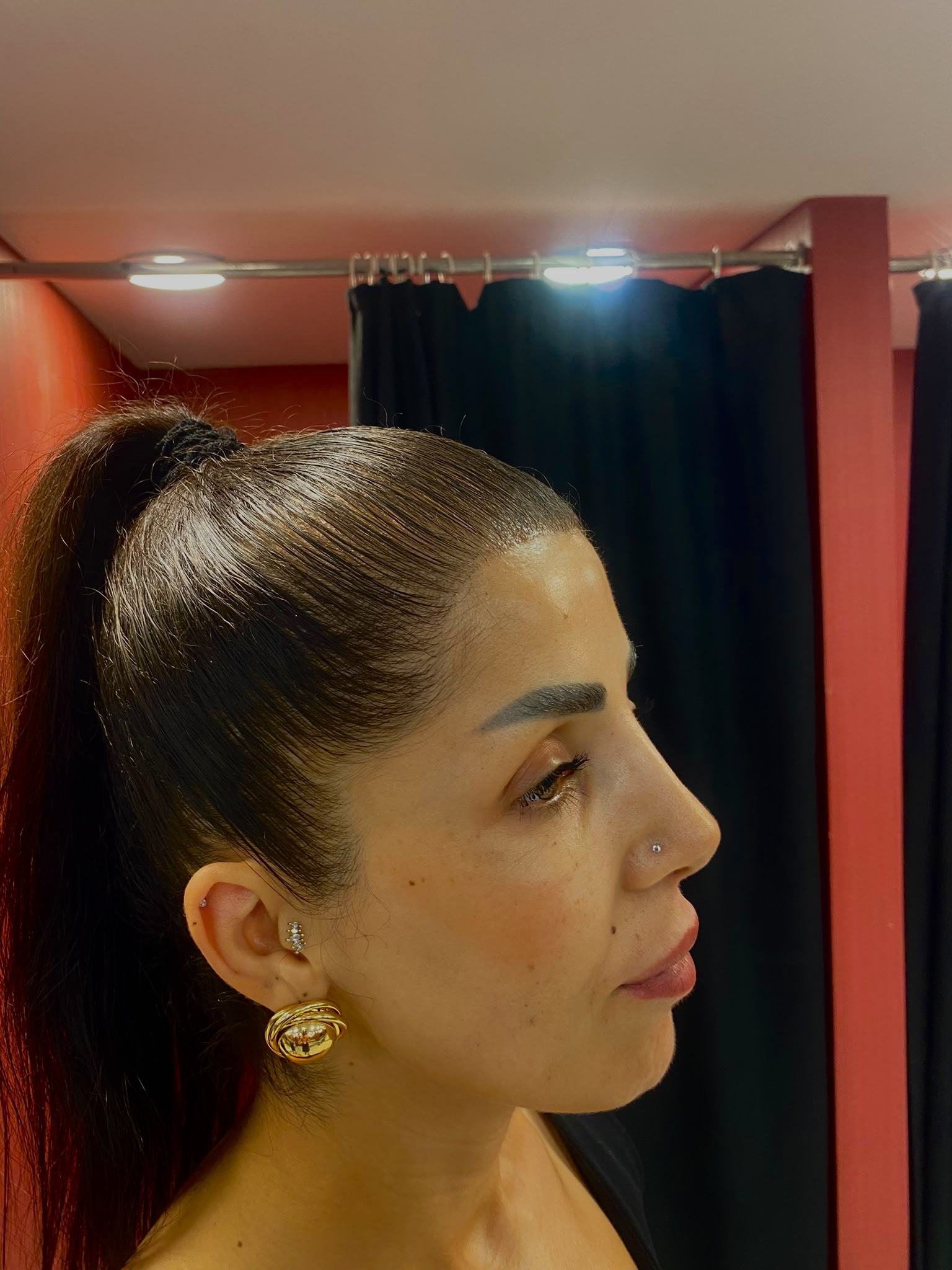

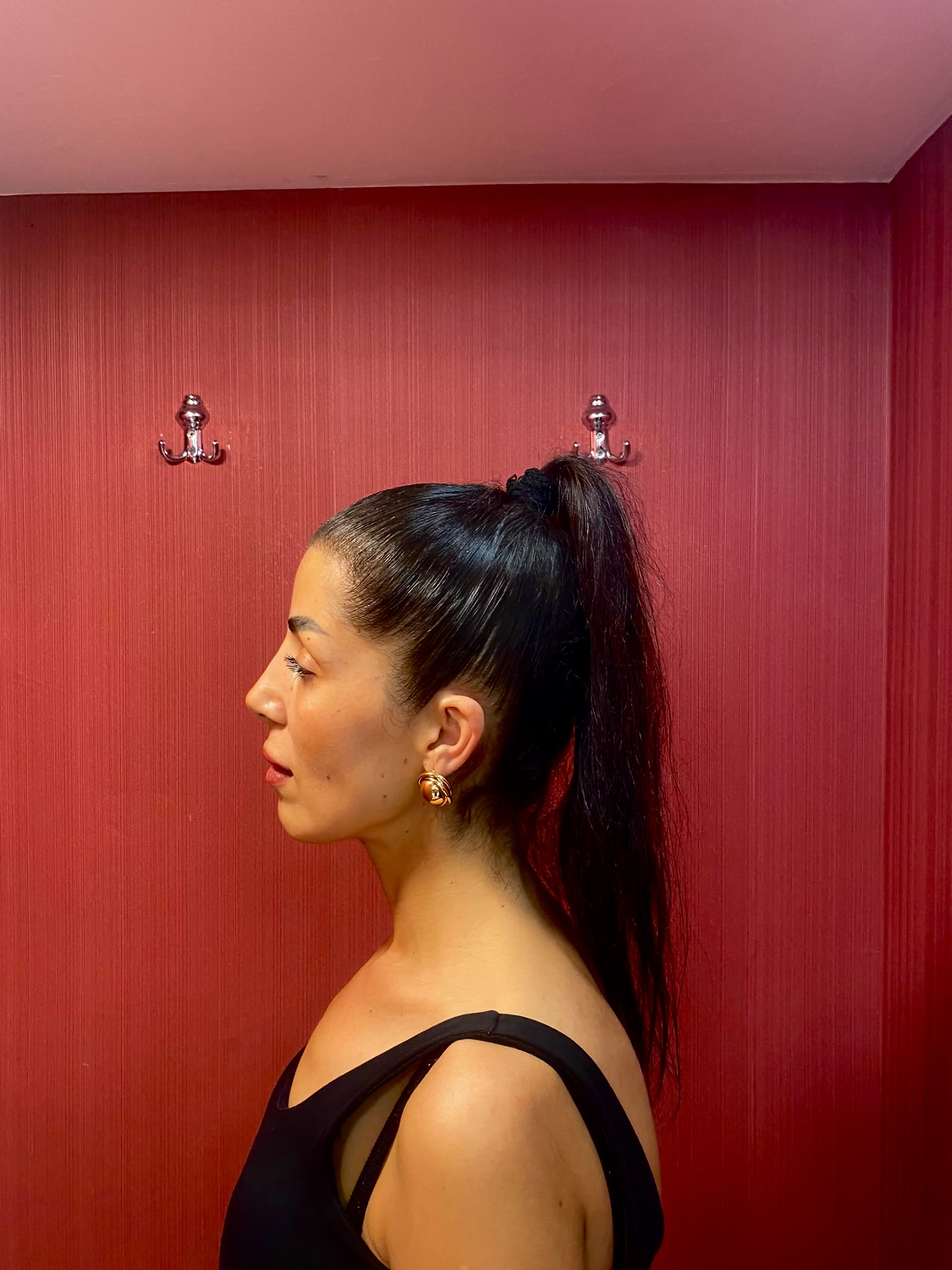
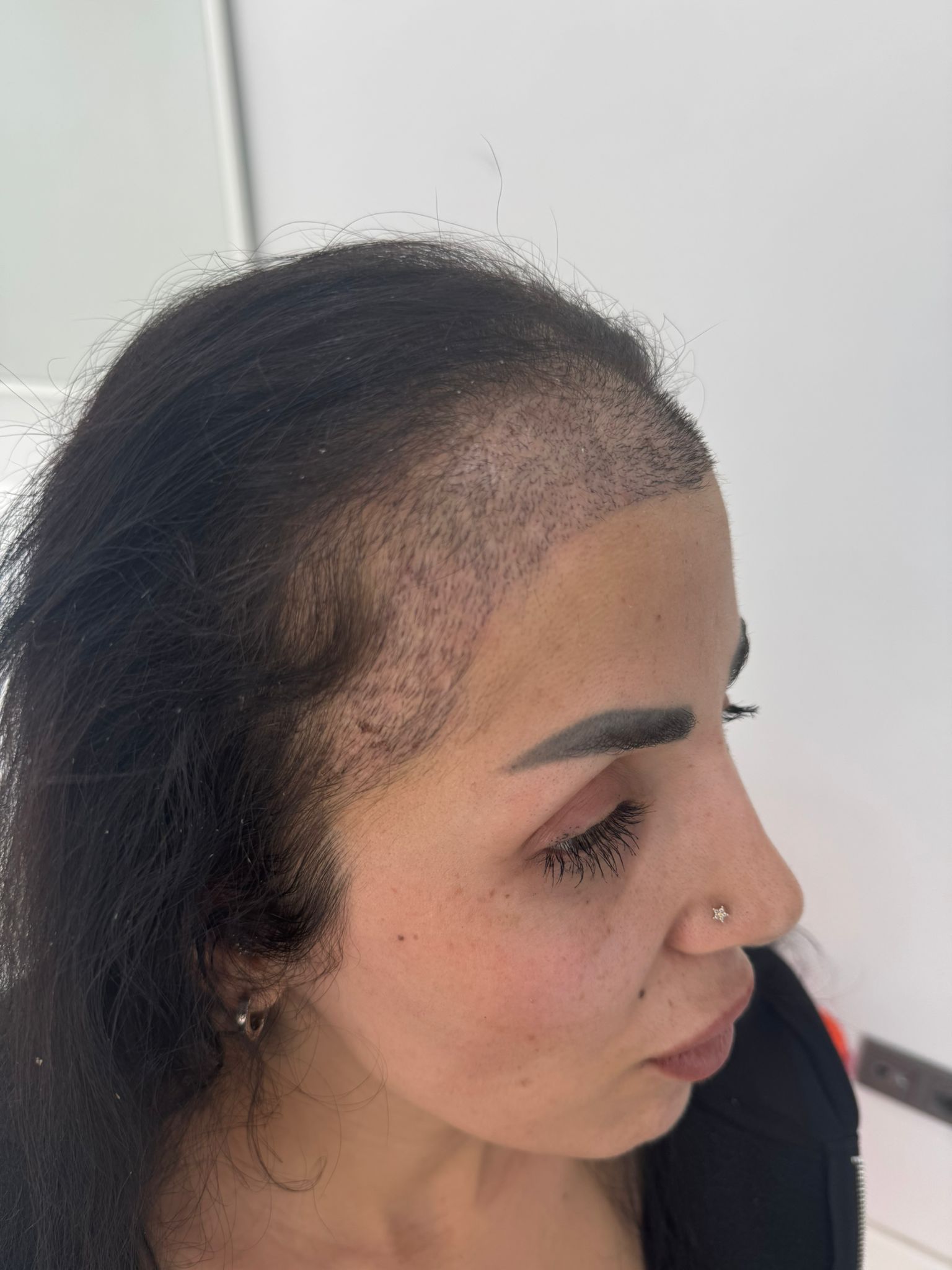
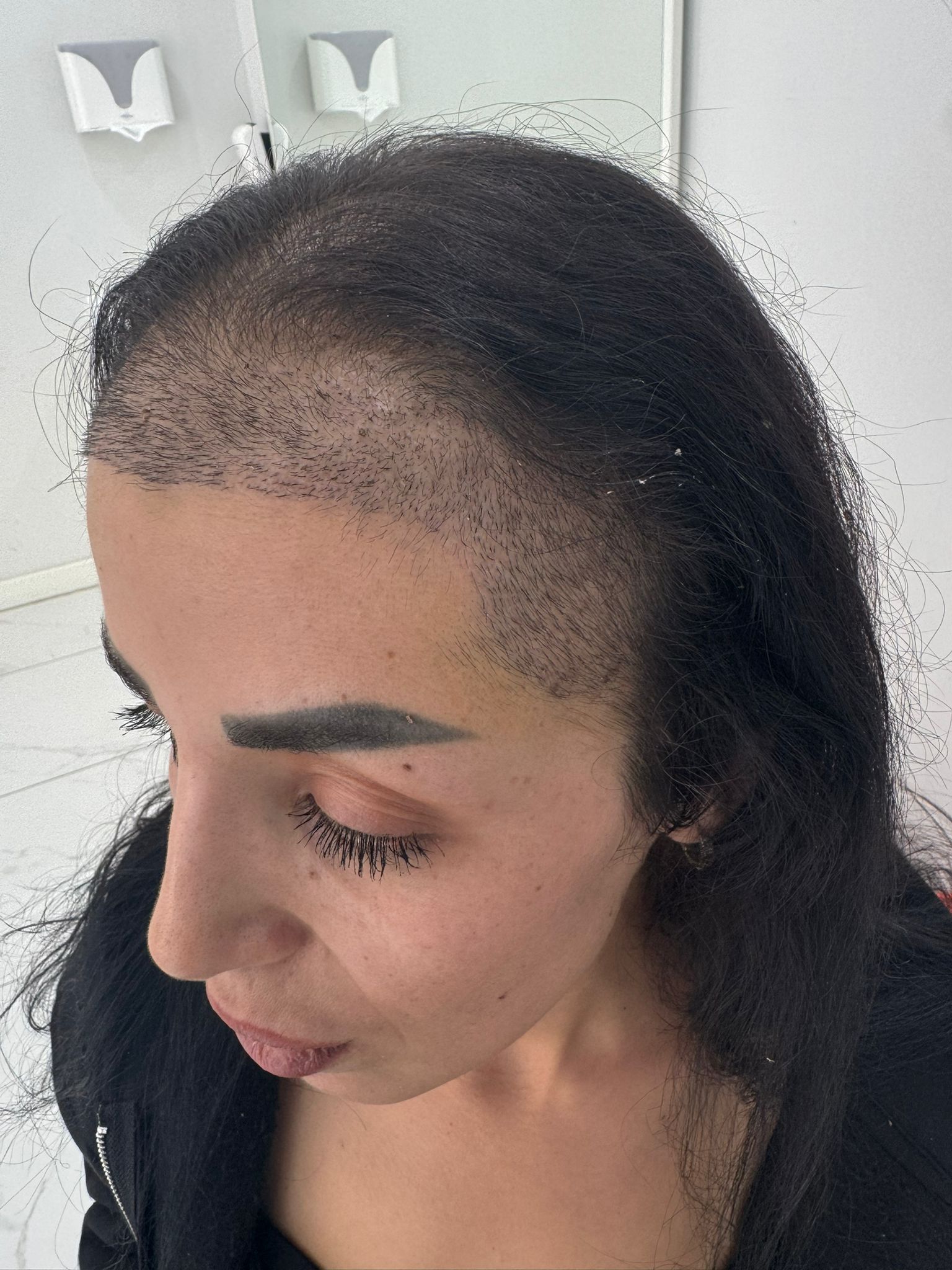
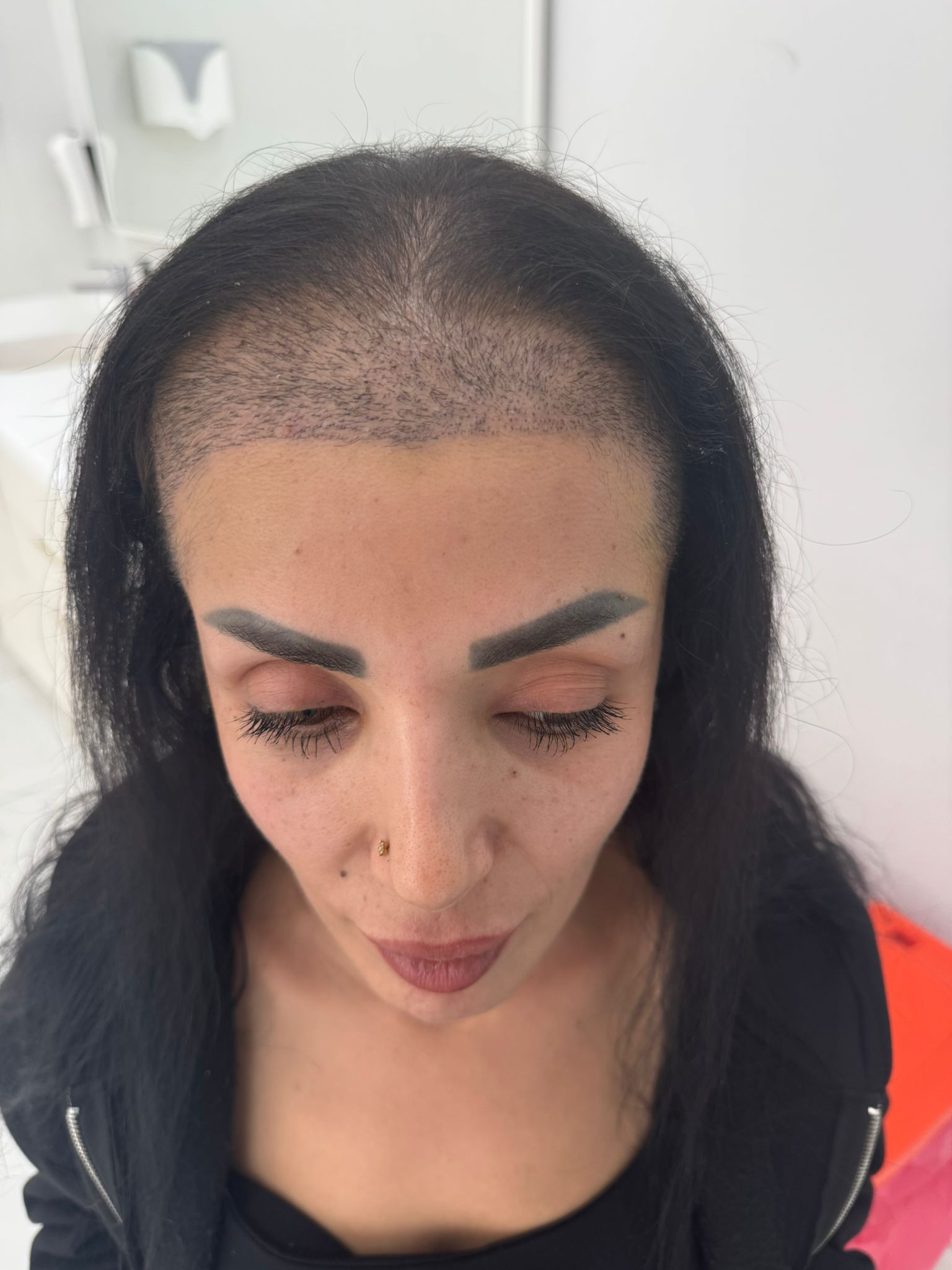
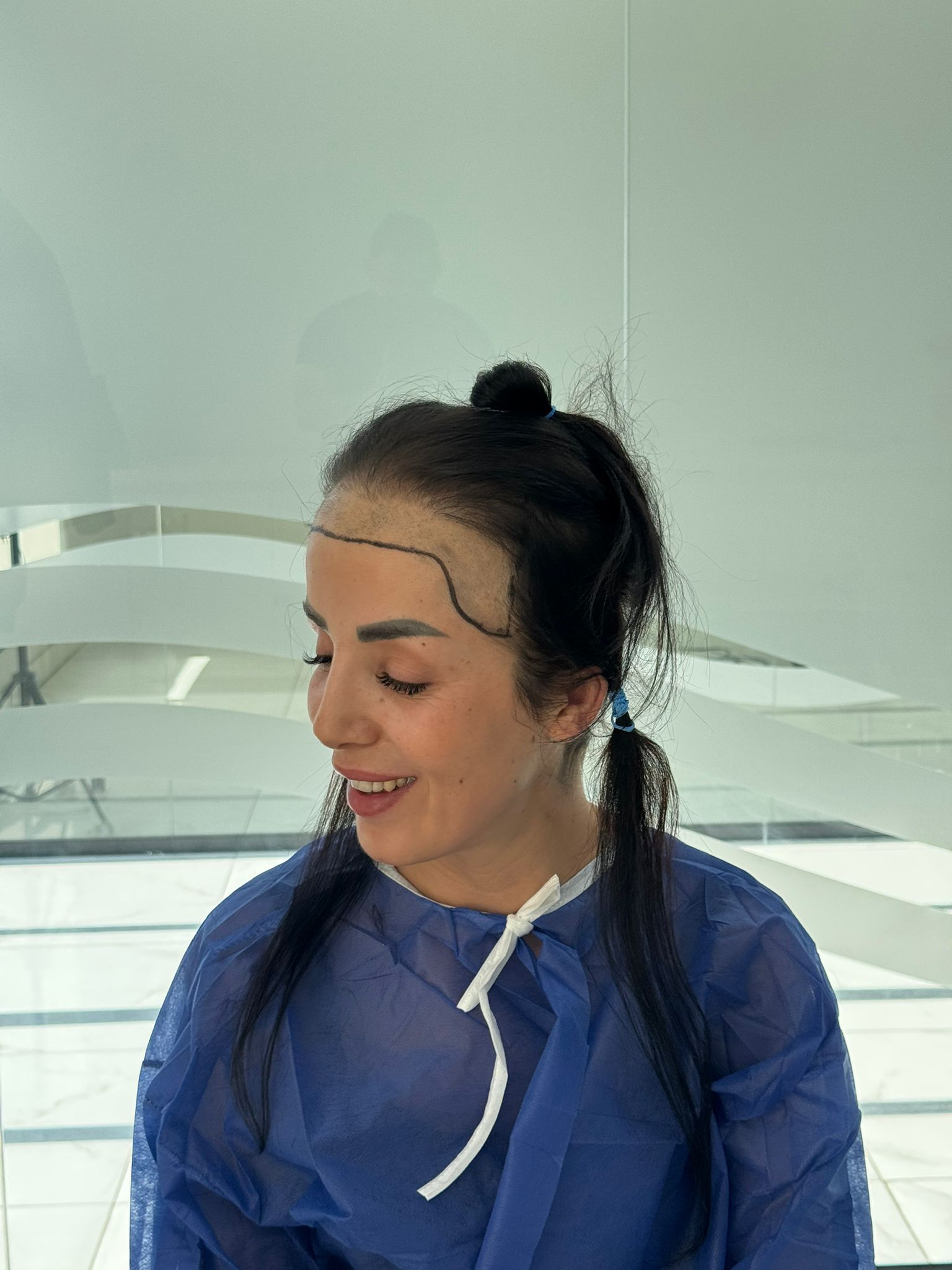
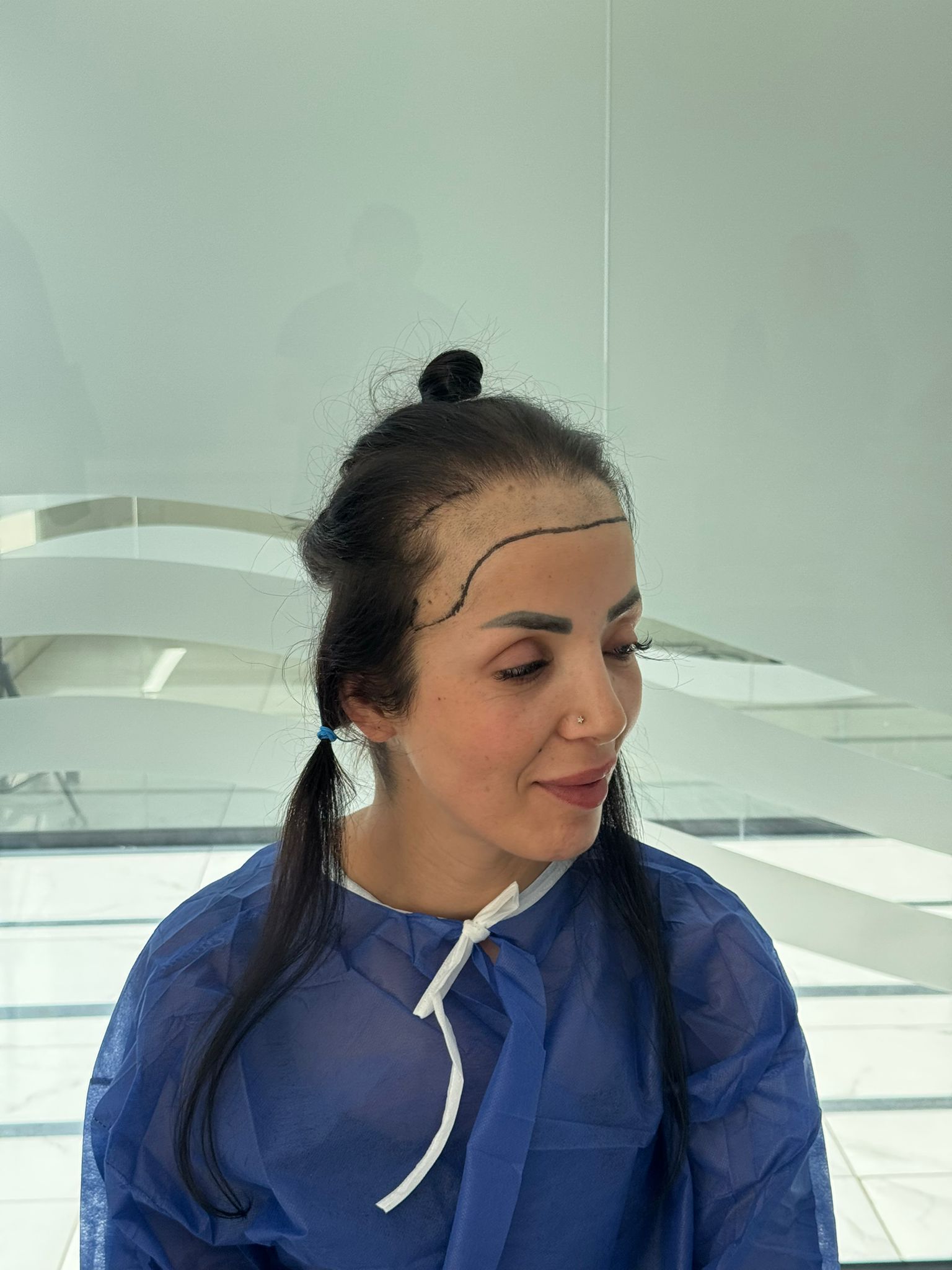
Female Hair Transplant Process Images
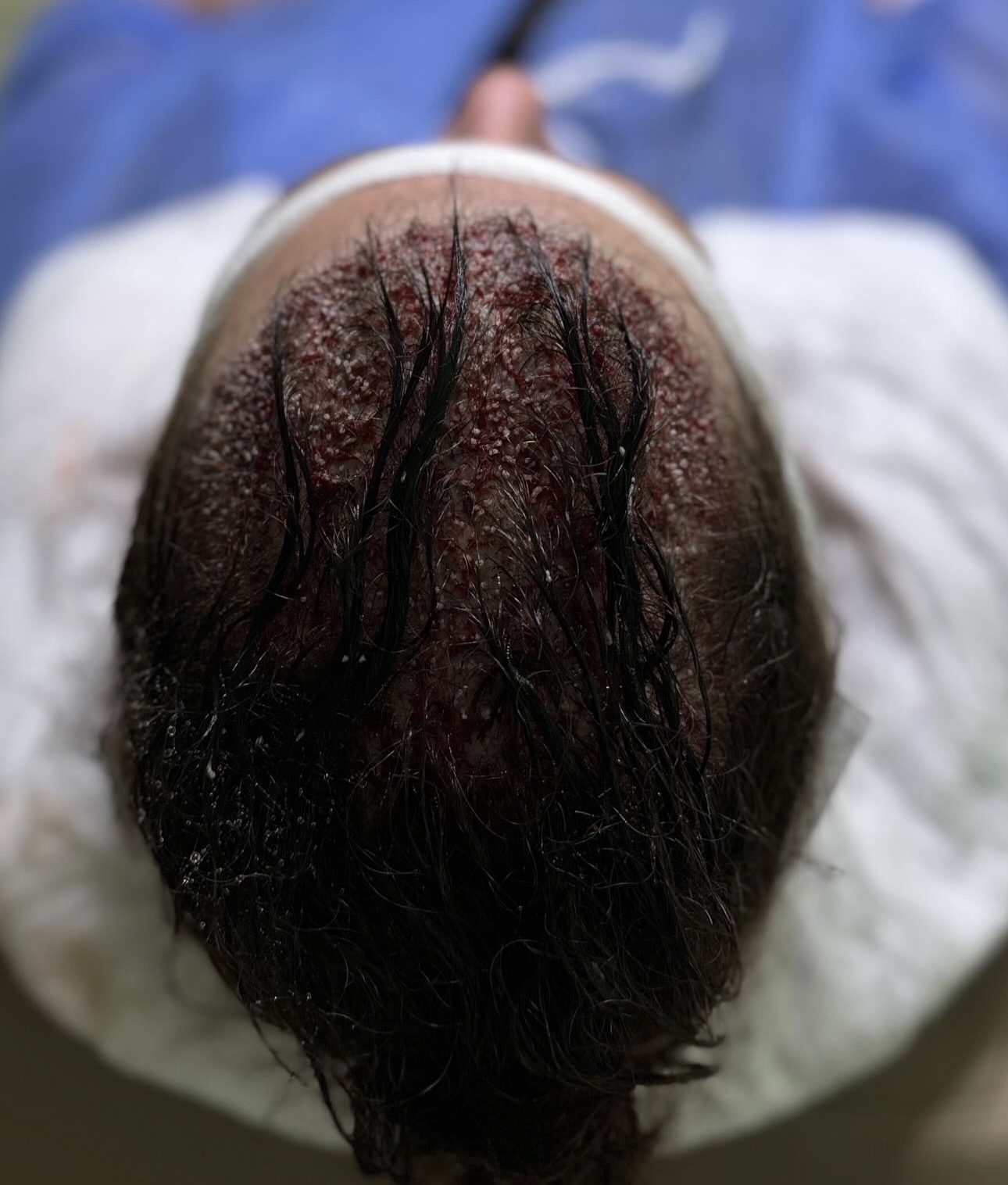
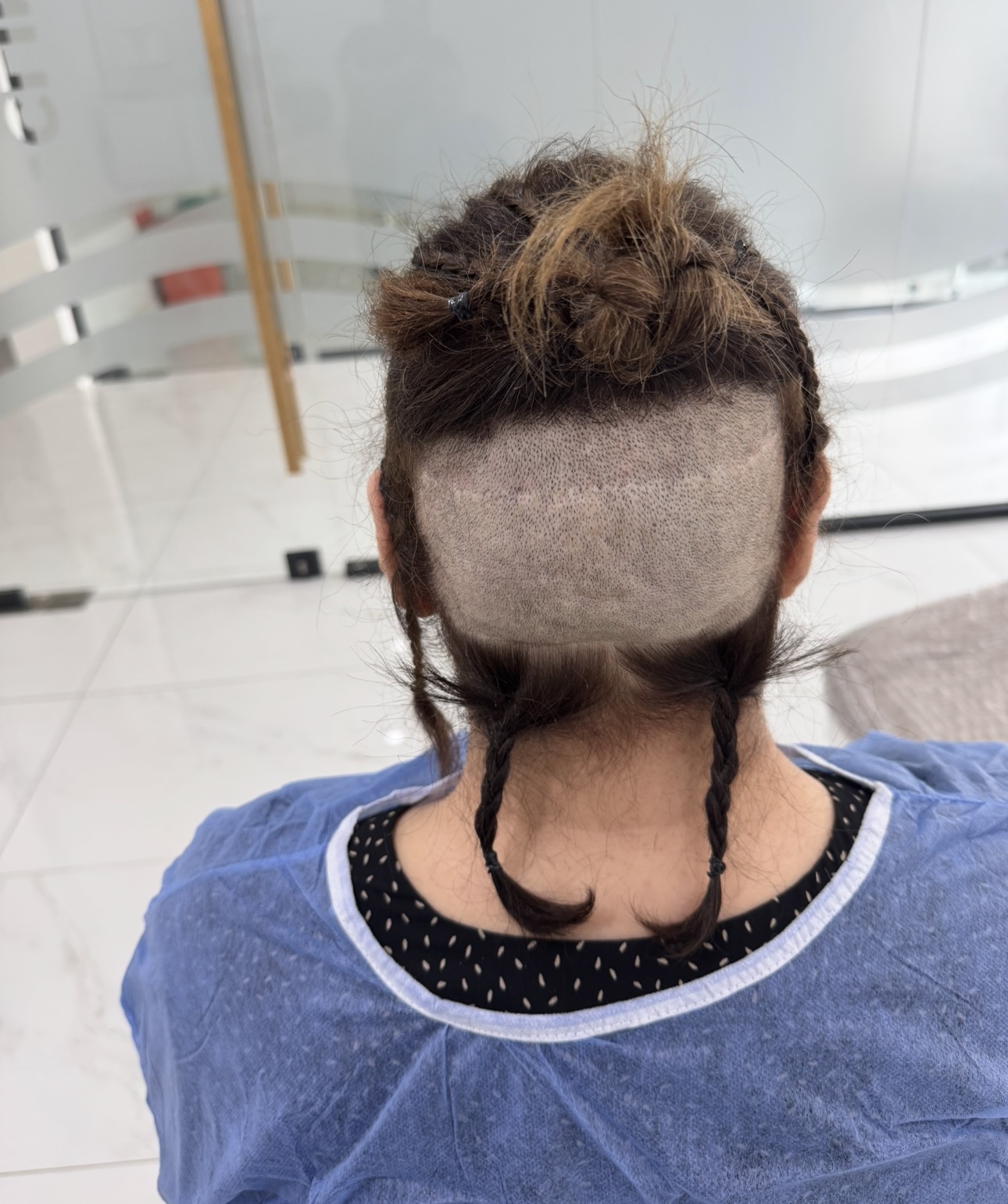
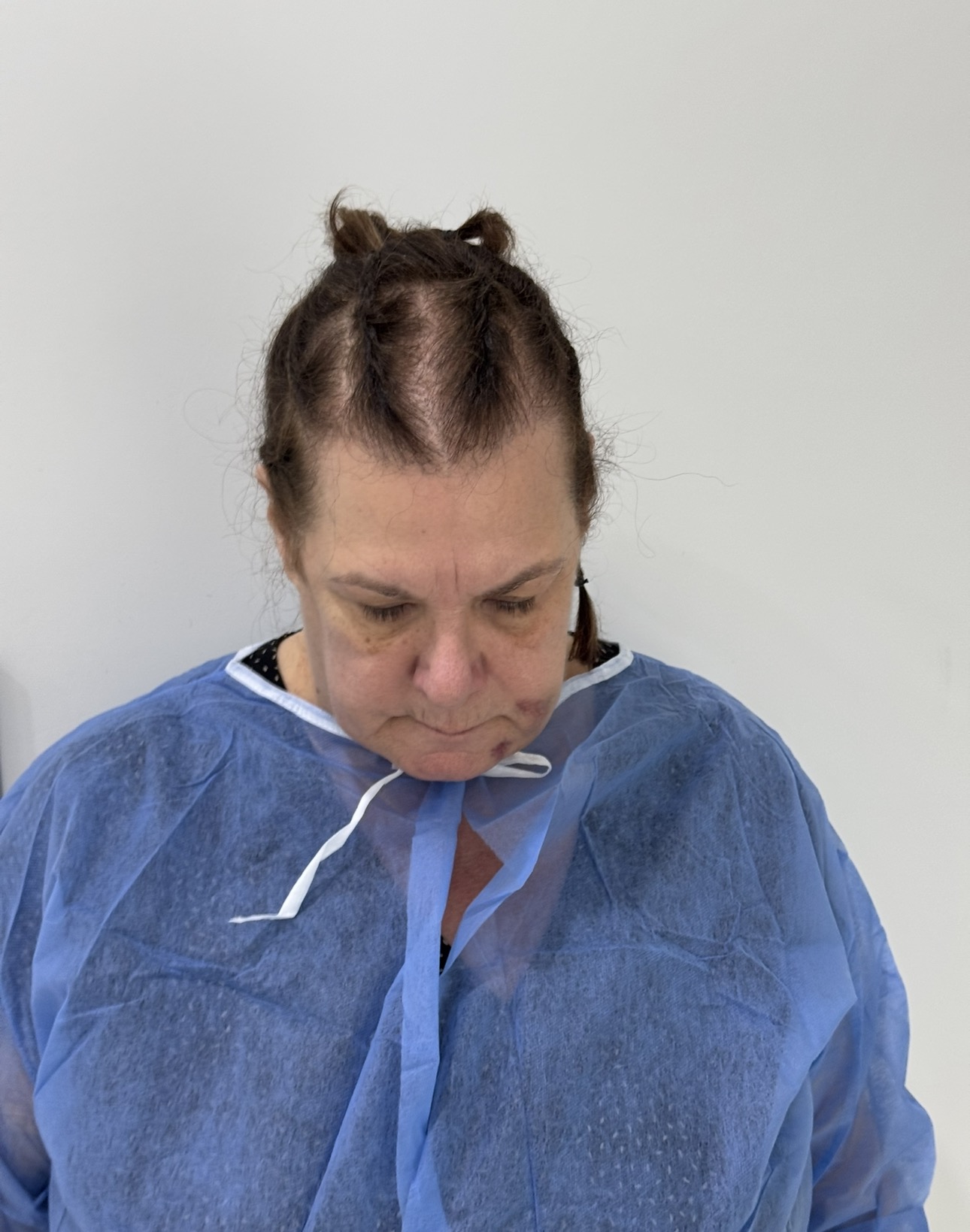
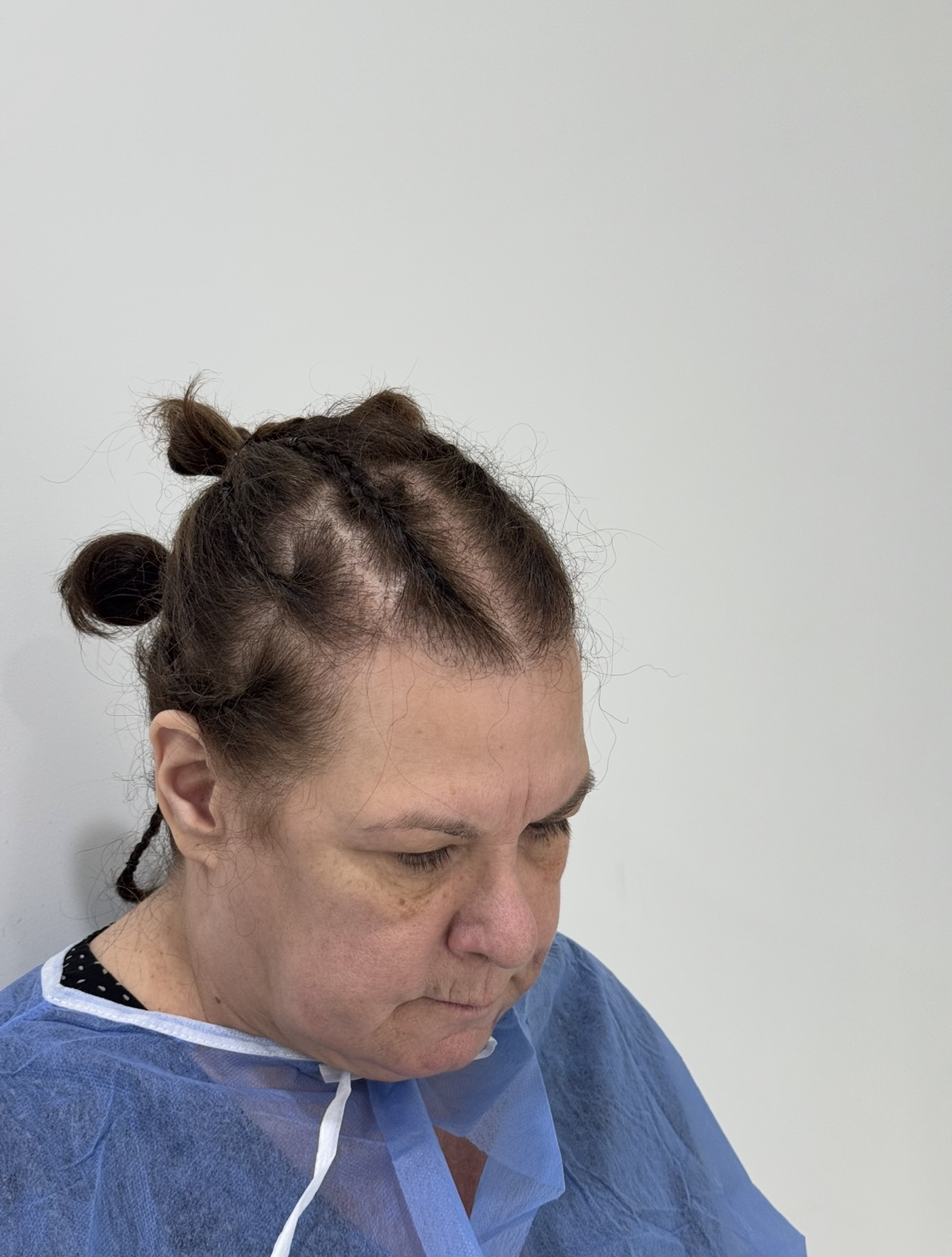
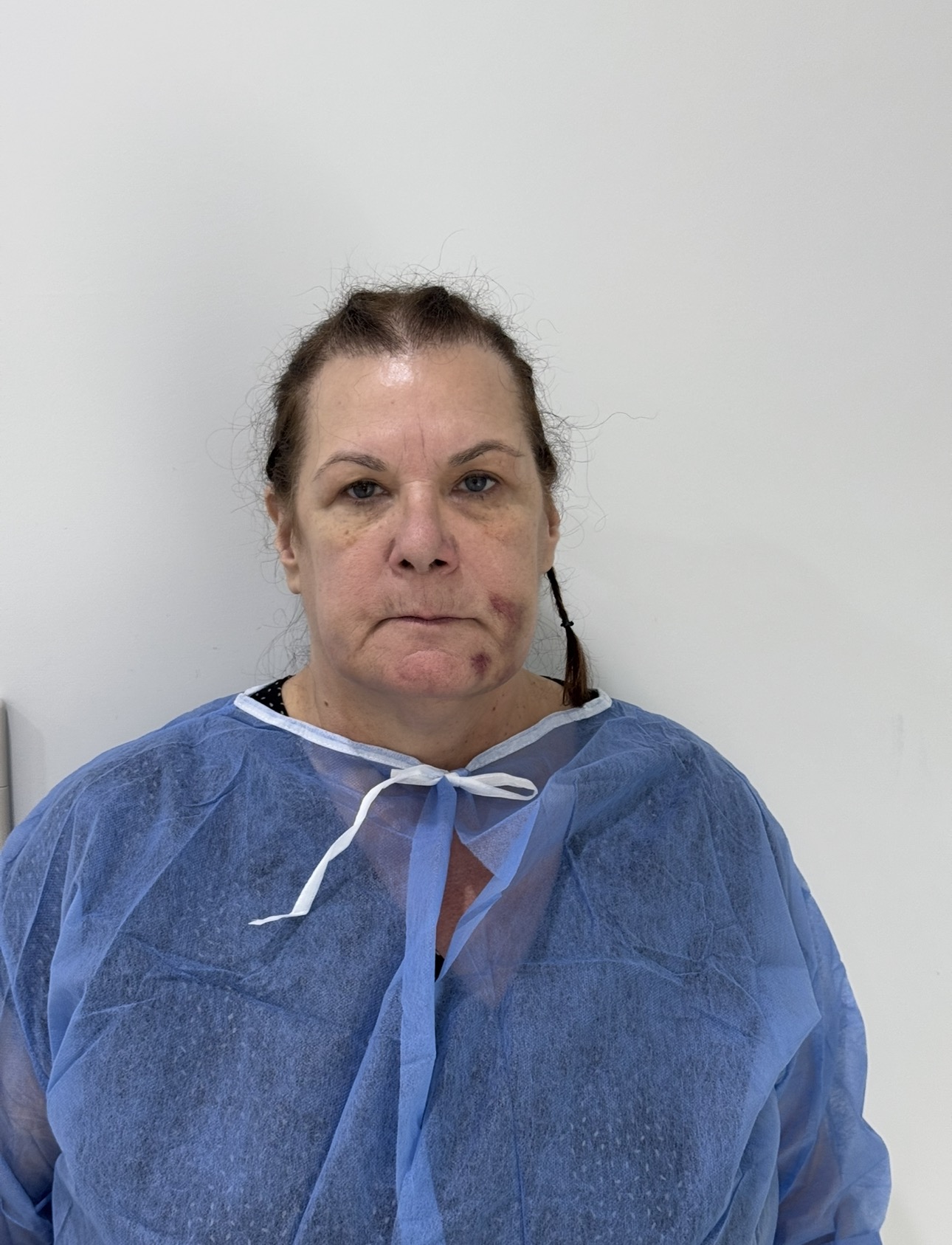



Donor Area Control in Female Hair Transplant
The donor area is one of the most important parts of the Female Hair Transplant process. Donor density may vary in women, and diffuse thinning can sometimes affect the donor zone as well. For this reason, donor suitability should be carefully checked before creating the operation plan.
A strong donor area allows safer graft extraction. A weak donor area requires a more cautious approach, and in some cases hair transplantation may not be recommended. The aim is to prevent visible thinning in the donor area after extraction.
At Haarex Clinic, donor area control is planned with long-term preservation in mind. While improving the target area, treatment should not create a new aesthetic concern in the back of the scalp.
Method Selection in Female Hair Transplant
Female Hair Transplant can be planned with different techniques according to the thinning pattern, existing hair density, and target area. Method selection is made after evaluating whether the case requires more precise placement, limited shaving, or broader density work.
In selected cases, when more controlled placement between existing hairs is needed, DHI Hair Transplant may be considered. The suitability of this approach depends on natural hair density, the size of the thinning area, and the required number of grafts.
Some women may prefer a more discreet process with minimal visible change in the early period. If the technical conditions are suitable, Unshaven Hair Transplant can be considered as part of the planning. However, this option depends on hair length, donor area visibility, and the required graft count.
Treatment Support in Female Hair Transplant
Female Hair Transplant may include supportive care when existing hair and the scalp need additional strengthening. These treatments do not replace hair transplantation, but they may support a more comprehensive restoration plan in suitable cases.
PRP Treatment for Hair Loss; may be considered when scalp quality, existing hair strength, or early thinning requires additional support. In selected cases where nutrient-based scalp support is suitable, Hair Mesotherapy Treatment may also be considered. If a more specialized platelet-rich plasma preparation is suitable for the treatment plan, Magellan PRP Treatment may be evaluated.
These options are not necessary for every patient. At Haarex Clinic, supportive treatments are recommended only after evaluating hair condition, scalp quality, and treatment goals.
Female Hair Transplant for Different Hair Types
Female Hair Transplant should be adapted according to hair type. Straight, wavy, curly, and tightly coiled hair structures require different graft handling and angle planning. Hair shaft thickness also affects visual density.
Curly or tightly coiled hair requires special attention because follicle shape and curl direction can affect the extraction and placement process. For this reason, Afro Hair Transplantrequires careful evaluation of curl pattern, donor area structure, and natural growth direction.
The aim is always to respect the person’s original hair character. A successful female hair transplant should not change the identity of the hair; it should provide natural-looking density support.
Recovery After Female Hair Transplant
Recovery after Female Hair Transplant should be followed with clear instructions. In the early period, the transplanted area should be protected, washing should be performed correctly, and movements that may affect the grafts should be avoided. At this stage, First Wash After Hair Transplant guide helps patients understand the care process more accurately.
| Period | Expected Process |
|---|---|
| First days | Mild redness, sensitivity, and early healing |
| 7–14 days | Scabbing begins to decrease |
| First month | Temporary shedding may occur |
| 3–4 months | Early growth may begin |
| 6 months | Density increase becomes more visible |
| 9–12 months | The hair appearance becomes more mature |
| 12+ months | The final result becomes clearer |
After Hair Transplant Guide; helps clarify post-procedure washing, sleeping position, scalp protection, exercise timing, and daily care. Recovery speed may vary depending on scalp structure, graft quality, and individual response.
Cost Evaluation for Female Hair Transplant
The cost of Female Hair Transplant varies according to the details of the case. A fixed-price approach may not reflect the real needs of female hair restoration, because every thinning pattern requires different planning.
Main cost factors include:
- Size of the thinning area
- Required graft count
- Donor area quality
- Method selection
- Level of technical difficulty
- Need for supportive care
- Follow-up process
Hair Transplant Prices should be considered after a personal evaluation because female cases often require more detailed planning than standard procedures. The right plan should be built on safety, naturalness, and long-term density balance.
Clinical Planning Standards at Haarex Clinic
At Haarex Clinic, Female Hair Transplant is planned with a structured clinical approach. The process begins with hair and scalp evaluation, followed by donor analysis, method selection, density planning, and recovery guidance.
The clinical approach includes:
- Detailed thinning pattern analysis
- Donor area suitability check
- Natural hairline and density planning
- Controlled graft distribution
- Protection of existing hair
- Supportive treatment evaluation
- Clear recovery guidance
- Long-term result planning
Female hair restoration requires patience and precision. The result should blend with existing hair and improve density without creating a harsh or artificial appearance.
Trust and Treatment Experience in Female Hair Transplant
Female Hair Transplant is a personal process because hair density, hairline balance, and scalp visibility can directly affect confidence and daily comfort. Clear communication before the procedure is important for understanding the expected result, limitations, and recovery process.
Hair Transplant Reviews can provide insight into the general clinic experience, communication quality, and follow-up approach; however, the treatment plan should always be based on personal analysis. For more information about preparation, recovery, and other treatment topics, Frequently Asked Questions page can be reviewed.
At Haarex Clinic, hair transplant planning is not limited to the operation alone. The process includes diagnosis, method selection, aesthetic design, supportive care, and follow-up guidance.
Get Your Personalized Female Hair Transplant Offer
Submit your contact information and upload your current hair photos directly to Haarex Clinic. Our team will evaluate your thinning type, donor area strength, scalp condition, previous treatments, and female hair restoration suitability to prepare a personalized consultation response.
Start Your Female Hair Analysis
Fill out the form and upload your photos. Your request will be sent to info@haarexclinic.com.