

In the world of modern hair restoration, innovative treatments are constantly emerging. One of the newer approaches gaining attention is hair cryotherapy — a technique that uses controlled cold temperatures to stimulate the scalp and potentially support healthier hair growth.
If you’ve recently searched for “hair cryotherapy near me”, you’re not alone. Interest in non-surgical hair treatments has increased significantly, especially among individuals looking to improve scalp health, reduce inflammation, and support recovery after other procedures such as hair transplantation.
In this comprehensive guide, we’ll explore what hair cryotherapy is, how it works, its potential benefits, risks, expected results, and who may benefit most from this treatment.
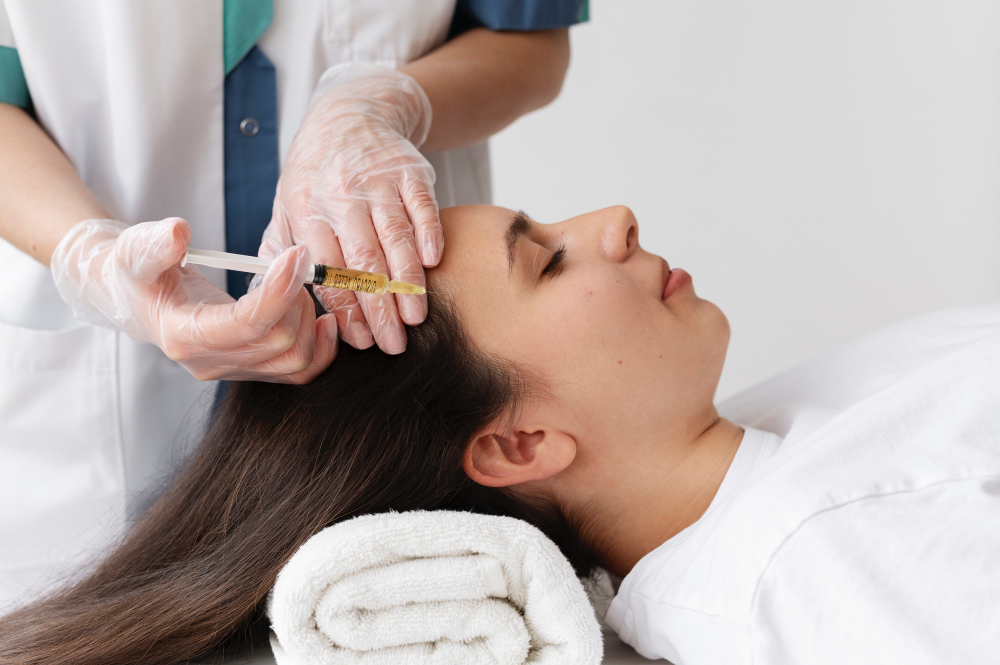
Hair cryotherapy is a therapeutic technique that applies cold temperatures to the scalp to stimulate biological responses in the skin and underlying tissues. The concept is based on cryotherapy — a method widely used in sports medicine and dermatology to reduce inflammation, improve circulation, and promote healing.
In the context of hair and scalp treatments, hair cryotherapy typically involves:
Localized cold application to the scalp
Controlled temperature exposure
Short treatment sessions
Non-invasive methods
Unlike whole-body cryotherapy chambers, hair cryotherapy focuses specifically on scalp tissue and hair follicles.
To understand hair cryotherapy, it’s important to understand how cold exposure affects the body.
When cold is applied to tissue:
Blood vessels temporarily constrict (vasoconstriction).
Once the cold stimulus ends, blood flow increases (rebound vasodilation).
This improved circulation may enhance oxygen and nutrient delivery.
Inflammation can be reduced.
In scalp treatments, the goal is to:
Stimulate dormant follicles
Improve scalp microcirculation
Support overall follicle health
Reduce inflammatory scalp conditions
Improved circulation plays a critical role in hair vitality. Healthy follicles depend on oxygen and nutrients to produce strong strands.
While research is still evolving, several potential benefits are commonly associated with hair cryotherapy.
Improved Scalp Circulation
After the cold application phase, increased blood flow may enhance the delivery of essential nutrients to hair follicles.
Better circulation supports:
Healthier follicle activity
Stronger hair structure
Improved scalp condition
Reduced Inflammation
Inflammation can contribute to various scalp issues and may negatively impact hair density.
Hair cryotherapy may help:
Calm irritated scalp
Reduce redness
Soothe sensitive skin
This can be particularly beneficial for individuals experiencing inflammatory scalp conditions.
Support for Hair Growth
Although hair cryotherapy is not a miracle cure for hair loss, some practitioners suggest it may:
Stimulate dormant follicles
Improve follicular metabolism
Support early-stage thinning hair
However, results vary, and it should not replace medically proven hair restoration treatments when significant hair loss is present.
Post-Procedure Recovery Support
Some clinics use hair cryotherapy after cosmetic scalp procedures to:
Reduce swelling
Accelerate healing
Minimize discomfort
Cold therapy has long been used in medical recovery settings.
Hair cryotherapy may be suitable for:
Individuals with mild hair thinning
People seeking non-invasive scalp therapy
Patients wanting supportive treatment alongside other procedures
Those experiencing scalp inflammation
It may not be suitable for:
Individuals with cold sensitivity disorders
Patients with certain vascular conditions
People with severe untreated scalp infections
Always consult a qualified provider before starting treatment.
If you search for “hair cryotherapy near me,” you’ll likely find clinics offering slightly different protocols. However, a typical session involves:
Scalp assessment
Cleansing of the scalp
Controlled cold application using specialized equipment
Short exposure time (often 10–20 minutes)
Post-treatment monitoring
The procedure is generally painless, though you may feel intense cooling during application.
Hair cryotherapy is usually performed in a series of sessions.
Typical plans include:
4–8 sessions
Weekly or biweekly treatments
Maintenance sessions as needed
Results are gradual and depend on individual scalp condition and overall health.
While considered low-risk, hair cryotherapy is not entirely free of potential side effects.
Possible Mild Side Effects
Temporary redness
Scalp sensitivity
Mild tingling sensation
Temporary dryness
These effects usually resolve quickly.
Rare Complications
If performed improperly or with extreme temperatures:
Skin irritation
Frostbite-like damage
Excessive scalp dryness
This is why choosing a qualified provider when searching for “hair cryotherapy near me” is important.
It’s essential to set realistic expectations.
Hair cryotherapy:
Does not permanently cure genetic hair loss
Does not replace hair transplantation
Is not a standalone solution for advanced baldness
However, it may support scalp health and complement other treatments.
For moderate to severe hair loss, medical therapies or hair transplant procedures remain more definitive options.
Let’s briefly compare hair cryotherapy to other common hair restoration approaches.
PRP Therapy
Uses platelet-rich plasma
Injected into scalp
Stronger scientific backing
Laser Therapy
Uses low-level laser light
Stimulates follicle metabolism
Hair Transplant
Surgical relocation of follicles
Permanent solution for pattern baldness
Hair cryotherapy is generally considered a supportive or adjunctive treatment rather than a primary intervention.
Realistic expectations are crucial.
With hair cryotherapy, you may notice:
Improved scalp comfort
Reduced irritation
Slight improvement in hair texture
Possible modest density improvement
However, dramatic regrowth should not be expected solely from cryotherapy.
Results vary depending on:
Age
Degree of hair thinning
Underlying health
Lifestyle factors
If you are searching “hair cryotherapy near me,” cost will vary depending on:
Clinic reputation
Equipment quality
Number of sessions
Geographic location
Packages are often offered for multiple sessions.
Always ensure the clinic provides clear explanations and realistic expectations.
When performed by trained professionals using appropriate equipment, hair cryotherapy is generally considered safe.
Safety depends on:
Controlled temperature settings
Proper patient screening
Correct application duration
Improper application can increase risk of skin damage.
Currently, large-scale clinical studies specifically focusing on hair cryotherapy are limited.
However:
Cryotherapy is well-studied for inflammation reduction
Cold therapy is widely used in dermatology
Circulation effects are scientifically supported
More research is needed to confirm long-term hair growth effectiveness.
Hair cryotherapy may be worth considering if:
You are in early stages of thinning
You want non-invasive support
You are combining it with other therapies
You have scalp inflammation issues
It is less appropriate as a standalone treatment for advanced hair loss.
Hair cryotherapy is an emerging scalp treatment that uses controlled cold exposure to stimulate circulation and potentially improve scalp health. While it is not a cure for genetic hair loss, it may serve as a supportive therapy within a broader hair restoration strategy.
If you’re searching for “hair cryotherapy near me,” ensure you choose a qualified clinic that provides transparent information and realistic expectations.
As with any hair treatment, long-term results depend on proper diagnosis, individualized planning, and professional guidance.


