

Undergoing a hair transplant is an exciting step toward long-term hair restoration, but the first week after the procedure is often filled with questions. Many patients ask: What should I expect after 5 days? Is my healing normal? When will my hair grow?
Day 5 is an important checkpoint in the healing process. The scalp is recovering, scabs are forming or beginning to soften, and the transplanted hairs are securely settling into the recipient area. However, this is also the stage when patients must remain careful — especially about washing your hair, avoid touching the grafts, and limiting physical activity.
In this comprehensive guide, we’ll explain exactly what happens five days after a hair transplant, what’s normal, what’s not, and how to support optimal hair growth.
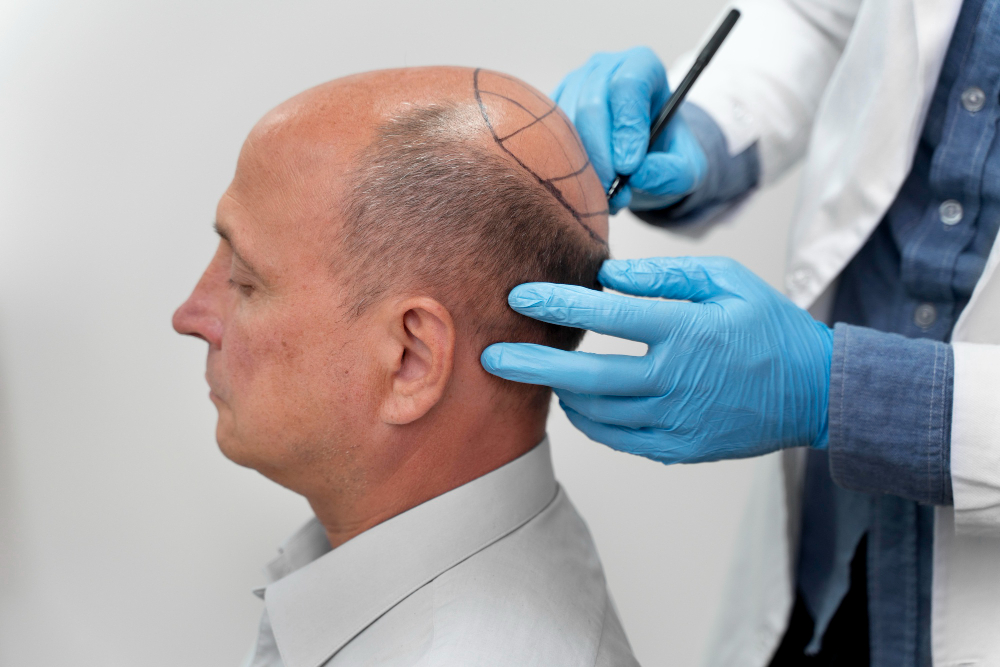
To understand Day 5, it’s important to briefly review what happens immediately after surgery.
During a hair transplant, healthy follicles are extracted from the donor area — typically the back or sides of the scalp — and implanted into the transplanted area (also known as the recipient area). These grafts contain the follicles that will eventually produce newly transplanted hair.
Days 1–2
Mild swelling may occur
Redness in both donor area and recipient area
Tiny scabs begin forming
Grafts are delicate
Days 3–4
Swelling usually decreases
Scabs become more visible
Itching may begin
The healing process accelerates
Day 5
This is where many patients start to feel significantly better — but healing is still ongoing.
The donor area typically heals faster than the transplanted area.
By Day 5:
Redness has significantly reduced
Small extraction dots are less visible
Mild tightness or itching may remain
Most micro-wounds have closed
In FUE procedures, the donor area heals through tiny circular extraction points. By the fifth day, the surface skin is usually sealed. However, deeper tissue remodeling continues beneath the surface.
You should still:
Avoid scratching
Avoid touching excessively
Avoid intense physical activity
Proper care during this period prevents complications and supports strong long-term hair growth.
The transplanted area (recipient area) will still show visible scabbing around each graft. This is completely normal.
You may notice:
Small crusts surrounding transplanted hairs
Mild redness
Slight sensitivity
Itching
At this stage, the transplanted hairs are anchored more securely than in the first 48 hours. However, they are not yet fully stabilized. That’s why it’s critical to avoid touching or picking at scabs.
The scabs protect the newly implanted follicles. Removing them prematurely can disrupt the healing process.
One of the most common concerns is about washing your hair.
In most cases, patients begin gentle washing 48–72 hours after surgery under clinic guidance. By Day 5:
You can continue gentle washing
Use only recommended shampoo
Do not rub or scratch
Pat dry gently with soft paper towel
When washing your hair, use a light tapping motion instead of direct pressure. The goal is to soften the scabs naturally without forcing them off.
Improper washing is one of the main causes of graft displacement in early recovery.
Yes. Itching is a common part of the healing process.
The scalp is regenerating tissue and forming new skin layers. Mild itching in both the donor area and recipient area is normal.
Do NOT:
Scratch
Rub aggressively
Pick scabs
Instead:
Use saline spray if recommended
Follow moisturizing instructions
Continue gentle washing
Remember: excessive touching increases infection risk and may compromise newly transplanted hair.
Many patients feel energetic by Day 5 and want to resume workouts.
However, intense physical activity should still be limited.
Light walking is fine, but avoid:
Heavy lifting
Intense cardio
Contact sports
Swimming
Sauna
Excessive sweating can irritate the transplanted area and prolong the healing process.
Generally, clinics recommend waiting 10–14 days before returning to full physical activity routines.
This is where many patients panic.
Around 2–4 weeks after a hair transplant, something called shock loss may occur. The visible transplanted hairs can shed.
Important: This is normal.
The follicles remain alive under the skin. The hair shaft falls out, but the root enters a resting phase before new hair grows.
Shock loss is part of the natural hair growth cycle. It does not mean the transplant failed.
At this stage, your scalp is in the middle of the healing process:
Micro-wounds are closing
Inflammation is reducing
Blood supply is stabilizing
Follicles are adapting to their new environment
The body is prioritizing tissue repair. Actual hair growth does not begin immediately. That phase comes later.
Most swelling peaks around Day 2–3.
By Day 5:
Forehead swelling usually resolves
Minor puffiness may remain
Sleeping upright continues to help
If swelling worsens after Day 5, contact your clinic.
By the fifth day, normal recovery signs include:
Reduced redness
No bleeding
Scabs intact
Mild itching
Slight tightness in donor area
These are all part of healthy hair restoration recovery.
While complications are rare, you should contact your doctor if you notice:
Increasing pain
Pus or foul odor
Severe swelling
Fever
Persistent bleeding
A properly performed hair transplant rarely causes serious issues when aftercare instructions are followed.
Interestingly, Day 5 is also when patients start feeling optimistic.
You can see the outline of your future hairline. The transplanted hairs are visible, and your new shape becomes clearer.
However, patience is key.
Real hair growth takes time.
Timeline overview:
Weeks 2–4: Shock loss phase
Month 2–3: Dormant period
Month 3–4: Early hair grows
Month 6: Noticeable improvement
Month 12: Final results
Hair grows approximately 1–1.5 cm per month once active growth begins.
You should still avoid touching unless washing gently.
The grafts are more stable now, but friction can still damage the follicles.
Avoid:
Wearing tight hats
Rubbing with towels
Scratching
By Day 5, you may slowly return to a more natural sleeping position.
However:
Avoid direct pressure on recipient area
Use clean pillowcases
Maintain hygiene
The donor area contains genetically resistant follicles. These hairs are not affected by typical hair loss patterns.
That’s why they are chosen for transplantation.
Once relocated, they maintain their resistance and continue producing hair in the transplanted area.
This principle is the foundation of modern hair restoration.
Scabs usually begin softening around Day 7–10.
Do not force removal.
Continue gentle washing. Let them fall naturally.
Premature scab removal may interfere with the healing process.
Mild redness at Day 5 is normal.
It can last:
1–2 weeks in fair skin
Shorter in darker skin types
Persistent or worsening redness should be evaluated.
Many patients mistakenly expect immediate density.
But remember:
Transplanted hairs will shed
Hair grows gradually
Full density takes 12 months
Managing expectations is part of successful hair restoration.
Five days after your hair transplant, you are still early in the recovery journey.
The donor area is healing.
The transplanted area is stabilizing.
The healing process is active.
Shock loss may occur later.
Hair grows slowly but steadily.
If you:
Follow aftercare instructions
Avoid touching
Limit physical activity
Practice proper washing your hair techniques
You are setting yourself up for strong, natural, long-term results.
Hair restoration is a process — not a one-day transformation.
Patience now leads to permanent, confidence-boosting results later.


