

Hair loss is a global concern affecting millions of men and women worldwide. As hair thinning progresses, many individuals begin searching for a permanent solution, and hair transplant surgeries emerge as one of the most effective and reliable options. Among all destinations, two countries are consistently compared: the United States and Turkey.
This comprehensive guide explores Hair Transplant USA vs Turkey in terms of hair transplant costs, hair transplant procedure, medical quality, success rate, surgeon expertise, and overall patient experience. If you are considering a hair restoration journey, understanding these differences is critical before making a decision.
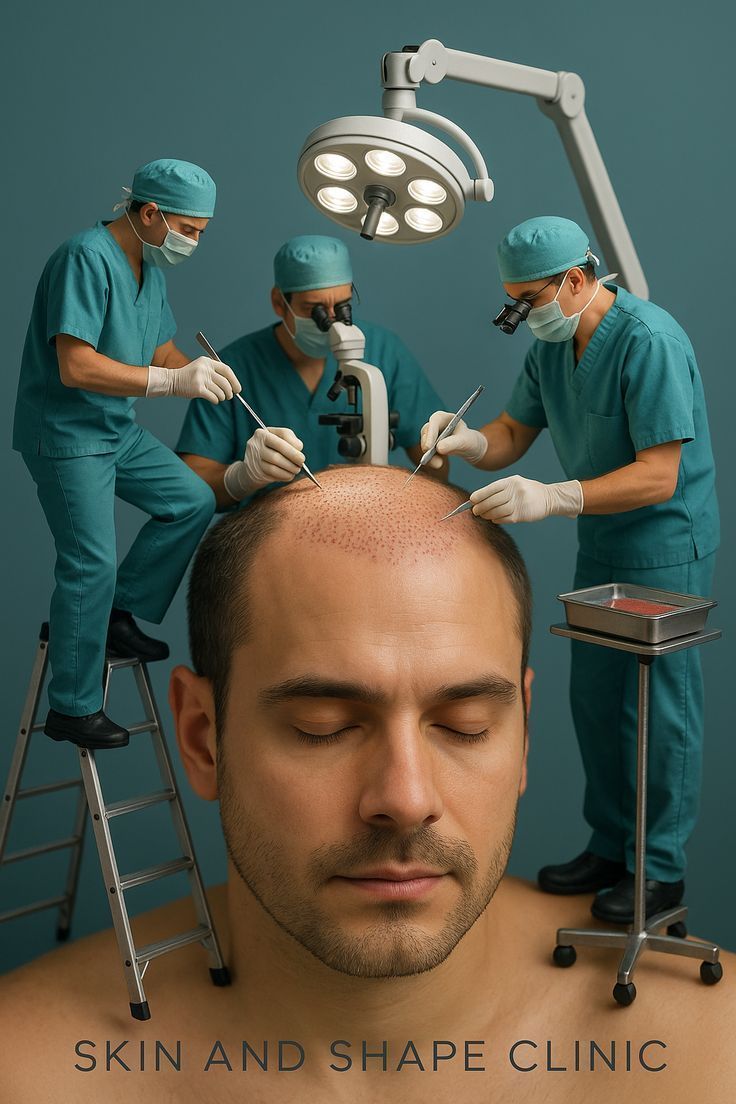
Hair loss can occur due to genetics, hormonal changes, aging, stress, medical conditions, or lifestyle factors. The most common cause remains androgenetic alopecia, which leads to progressive thinning and eventual loss of hair follicles.
When hair follicles become inactive and no longer produce hair, non-surgical treatments often fail to deliver meaningful results. At this stage, hair transplant surgeries offer a permanent solution by redistributing healthy hair follicles from a stable donor area to thinning or bald regions.
A hair transplant procedure is a surgical technique that involves harvesting hair follicles from the donor area, usually the back or sides of the scalp, and implanting them into areas affected by hair loss.
Modern hair transplant procedures are considered minimally invasive medical procedures and are performed under local anesthesia. The success of the procedure depends on multiple factors, including surgeon skill, transplant technique, number of grafts, and post-operative care.
Follicular unit extraction FUE is the most widely used technique today. In this method, individual hair follicles are extracted one by one and implanted into the recipient area.
Advantages of FUE hair transplants:
Both the USA and Turkey heavily rely on FUE hair transplants, though the execution and scale differ significantly.
Follicular unit transplantation FUT involves removing a strip of skin from the donor area, then dissecting it into individual hair grafts.
While FUT can provide a high number of grafts in one session, it has disadvantages:
FUT is still used in some hair transplant clinics in the USA but has largely been replaced by FUE in Turkey.
One of the most significant differences between the two countries is hair transplant costs.
In the United States, pricing is typically calculated per graft. This leads to a very high cost of hair transplant, especially for patients requiring extensive coverage.
👉 The cost of hair transplant in USA usually ranges between $10,000 and $30,000, depending on the clinic, surgeon, and number of grafts required.
In contrast, Turkey offers package-based pricing that includes surgery, accommodation, transportation, and aftercare.
When patients analyze expenses more closely, the cost of a hair becomes an eye-opening metric.
This difference allows Turkish clinics to achieve higher density without compromising safety or quality.
The number of grafts directly influences the visual density of the final result. Clinics in Turkey typically implant between 3,000 and 5,000 hair grafts in a single session, depending on donor capacity.
In the USA, graft numbers are often more conservative due to:
This can lead to thinner coverage compared to procedures performed in Turkey.
The donor area plays a crucial role in long-term success. Hair follicles taken from this area are genetically resistant to hair loss, making them ideal for transplantation.
In Turkey:
In the USA:
Turkey has become a global hub for hair transplantation largely due to the widespread adoption of advanced techniques.
These include:
While advanced techniques exist in the USA, they are often available only at premium clinics with significantly higher prices.
Hair transplant clinics in Turkey are typically large-scale centers dedicated exclusively to hair restoration. High patient volume allows clinics to refine techniques, improve efficiency, and maintain consistent results.
In the USA:
This structural difference has a direct impact on experience and outcome.
One of Turkey’s biggest advantages is its highly experienced workforce. Turkish surgeons and specialized teams perform hair transplants daily, often completing hundreds of procedures per month.
The transplant technique used in Turkey is typically team-based:
This system increases efficiency and graft survival.
The success rate of hair transplant surgeries depends on graft survival, natural appearance, and patient satisfaction.
In reputable Turkish clinics, success rates often exceed 90–95%, thanks to experience, technology, and high-volume practice.
In the USA, success rates can be high but vary widely depending on clinic selection and budget.
A hair transplant is not just a one-day procedure; it is a full hair restoration journey that spans 12–18 months.
Turkey offers a highly structured patient experience:
In the USA, aftercare is often limited or billed separately.
Hair transplant surgeries are classified as medical procedures in both the United States and Turkey. However, the regulatory frameworks, enforcement, and operational models differ significantly between the two countries.
In the USA, hair transplant clinics operate under state-level medical boards. Regulations are strict, but enforcement varies from state to state. Most procedures must be performed directly by a licensed physician, which limits scalability and increases overall hair transplant costs.
In Turkey, hair transplant clinics operate under the supervision of the Ministry of Health. Clinics specializing in hair restoration are inspected regularly, and standardized protocols are widely implemented. This centralized system allows for consistent quality control while enabling higher procedural volume.
These regulatory differences strongly influence cost of hair transplant, clinic structure, and patient experience.
Risk management is a crucial component of any hair transplant procedure. While complications are rare, outcomes depend heavily on planning, technique, and experience.
In Turkey:
In the USA:
High-volume experience in Turkey contributes to consistent success rate outcomes, especially for patients with advanced hair loss.
When comparing hair transplant costs, many patients focus only on the upfront price. However, long-term value tells a different story.
When analyzed over a 10–15 year period, Turkey often offers superior cost efficiency despite delivering higher density and comparable or superior outcomes.
Revision procedures occur when initial results are insufficient, unnatural, or uneven. The likelihood of revision is closely tied to surgeon experience and transplant technique.
In Turkey:
In the USA:
Each revision significantly increases the cost of a hair, especially in the American system.
The survival of hair grafts is one of the most important indicators of a successful hair transplant procedure. Graft survival depends on:
Turkish clinics, performing thousands of FUE hair transplants annually, have optimized graft handling protocols. This leads to higher survival rates and more predictable results.
In contrast, American clinics often work with smaller batches of grafts, which may reduce complexity but also limits achievable density.
One key philosophical difference between the USA and Turkey lies in treatment goals.
In the USA:
In Turkey:
This difference is especially noticeable in frontal hairline reconstruction and crown coverage.
Turkey has built a global reputation not only for technical excellence but also for patient logistics. For international patients, the hair restoration journey is designed as an all-inclusive experience.
Typically includes:
In the USA, international patients must coordinate most of these aspects independently, increasing stress and hidden expenses.
Hair loss affects more than appearance—it impacts confidence, self-image, and social behavior. Successful hair transplant surgeries often produce profound psychological benefits.
Patients frequently report:
Because Turkey can deliver higher density at a lower cost, patients often feel they receive a more transformative result for their investment.
Consider two patients with similar hair loss patterns and donor area quality.
Although both procedures are medically sound, the difference in outcome and cost of a hair is substantial.
Turkey’s highly competitive market has accelerated innovation. Clinics constantly adopt advanced techniques to remain competitive:
In the USA, limited competition and high overhead costs slow innovation adoption, reserving advanced techniques for premium clinics only.
Repetition builds mastery. Turkish surgeons and teams perform hundreds of procedures monthly, refining skills continuously.
Turkish surgeons often:
In the USA, hair transplantation is often one of several procedures offered by a physician, limiting specialization depth.
Ethical counseling is essential. Unrealistic expectations can harm patient satisfaction regardless of surgical quality.
Turkey has improved significantly in this area:
The USA traditionally excels in informed consent but may under-deliver in visible transformation due to conservative approaches.
Post-operative recovery also depends on lifestyle factors:
Many patients find recovery in Turkey more manageable due to:
Although follicular unit transplantation FUT remains an option in the USA, FUE has become the global standard.
Turkey’s complete transition to FUE hair transplants has:
This shift further widens the experiential gap between the two countries.
Preserving remaining hair follicles is critical for lifelong results. Turkish clinics emphasize:
This holistic approach enhances sustainability and minimizes future costs.
Hair transplant surgeries are socially normalized in Turkey. This cultural acceptance:
In the USA, stigma still exists in some demographics, leading patients to delay treatment until hair loss is advanced.
Considering hair transplant options in Turkey, Antalya has become one of the most preferred destinations for international patients.
Antalya Hair Transplant clinics offer internationally accredited facilities, experienced medical teams and modern techniques such as FUE and DHI — all combined with significantly more affordable prices compared to the USA.
Thanks to its advanced healthcare infrastructure and medical tourism experience, Antalya provides both high-quality results and a comfortable treatment process for patients traveling from abroad.


