

One of the most frequently asked questions in biology, dermatology, and everyday curiosity is: how many hairs are on the average human head?
At first glance, it sounds simple. However, once we dive deeper into human hair, genetics, scalp anatomy, and the hair growth cycle, we realize that the answer is far more complex than a single number.
People often phrase this curiosity in different ways:
All of these questions reflect the same fascination: understanding the natural limits and variation of healthy hair in humans.
This comprehensive guide explores the science behind hair count, density, follicles, growth phases, hair loss, and how factors like hair color, genetics, and age influence the average number of hairs on a person’s head.
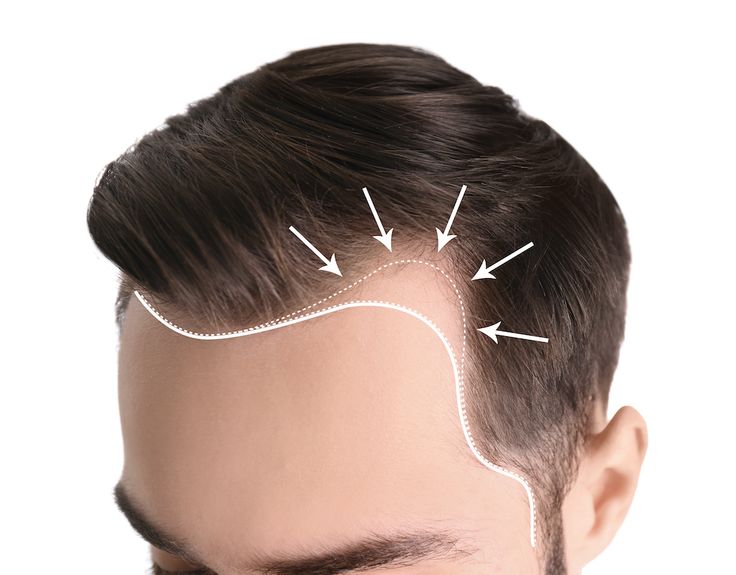
Before answering how many hairs are on the human head, we must define what “average” means.
An average person:
In scientific studies, the term “average” usually refers to a healthy adult scalp with normally functioning hair follicles and a complete hair growth cycle.
So, how many hairs are on the average human head?
Most dermatological studies agree on this estimate:
👉 Approximately 100,000 hairs
This number is often cited as the baseline for the average number of hairs on the human scalp. However, this does not mean everyone has exactly the same amount.
Typical ranges include:
This is why you may see both 100,000 hairs and 150,000 hairs referenced in scientific literature.
A common misunderstanding involves confusing the number of hair follicles with the number of visible hairs.
The human scalp typically contains:
Because follicles cycle through growth and rest, not all follicles produce visible hair at the same time. This directly impacts how many hairs are on the human head at any given moment.
Yes—hair color plays a significant role in hair density.
Studies show:
This explains why someone with lighter hair may appear to have higher hair density, even if their scalp coverage is similar.
Hair density refers to how many hairs per square centimeter exist on the scalp.
Average density:
Higher density does not always mean more follicles—it can also mean:
Understanding how many hairs on your head exist at any time requires knowing the hair growth cycle.
The cycle has three main stages:
Also known as growth phase anagen
The resting phase:
Because follicles are in different phases, hairs are on the human head at different stages of life simultaneously.
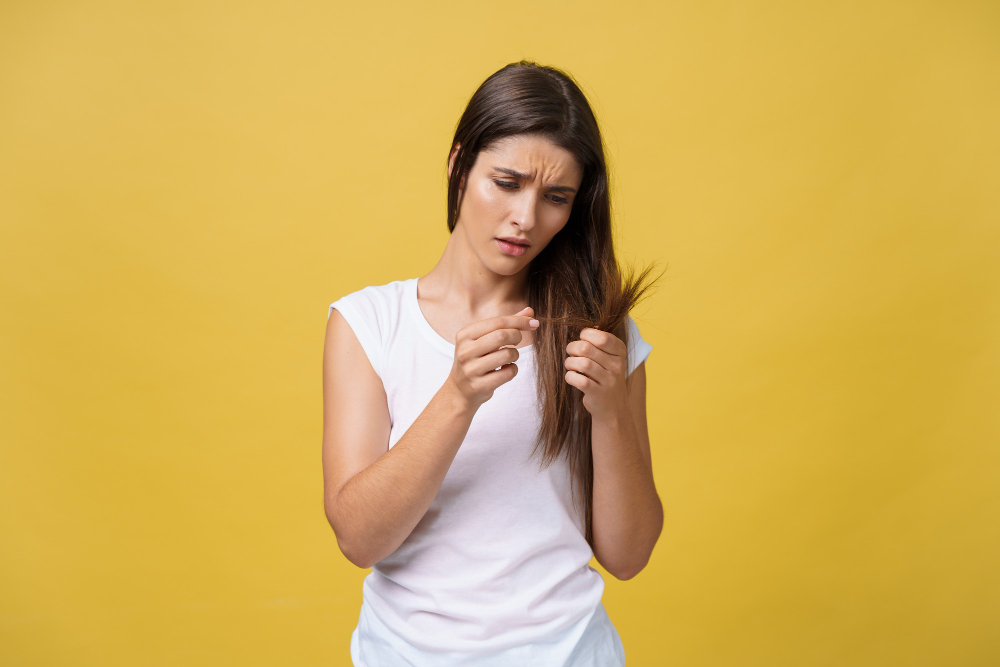
It is normal to lose hair daily.
Average loss:
This does NOT mean hair loss or baldness.
Healthy shedding is part of the hair growth cycle and allows new hair to replace old strands as hair grows continuously.
When hair loss occurs, the total number of hairs on the head decreases over time.
Common causes:
Hair loss does not reduce the number of hair follicles, but it shortens the growth phase and extends the resting phase, resulting in thinner and fewer visible hairs.
At birth:
During adulthood:
By middle age:
This explains why scalp visibility increases even without severe hair loss.
Natural hair refers to hair that grows without surgical or artificial intervention.
People who undergo hair transplant procedures artificially redistribute hair follicles, increasing visible density in certain areas—but not increasing the total follicle count.
Thus:
A common misconception is that a hair transplant increases how many hairs are on the human head.
In reality:
This can make it appear as though the person has more than 100,000 hairs, even though biologically they do not.
Factors that create the illusion of higher hair density:
These factors influence how full the head looks, not the actual number of hair follicles.
On average:
Hair growth rate impacts length, not count, but longer hair often creates the perception of more hair.
Let’s consolidate the data.
So when someone asks:
how many hairs are in the human head
how many hairs is on a human head
how many hairs on your head
how many hairs on a human head
The most accurate answer is:
👉 About 100,000 hairs, give or take several thousand.
While numbers are fascinating, healthy hair is not defined by how many hairs you have.
It is defined by:
A person with 90,000 healthy hairs may look fuller than someone with 120,000 weak hairs.
The question “How many hairs are on the average human head?” does not have a single rigid answer—but science gives us a reliable range.
Most humans have:
Understanding this helps people better interpret normal shedding, hair loss, and the realistic outcomes of treatments like hair transplant procedures.
In the end, hair is not just about numbers—it is about biology, balance, and health.
When researchers attempt to answer how many hairs are on the average human head, they do not count each strand manually. Instead, they rely on standardized scientific methods.
By counting how many hairs are on the human head within a measured area, scientists can estimate the total scalp coverage.
This is why estimates such as approximately 100,000 or 100,000 hairs are widely accepted in medical literature.
People often expect a precise answer when asking:
However, hair is a living, cycling system, not a static object.
At any given moment:
Because hair grows, rests, and falls continuously, the number of visible hairs changes every single day.
That is why the phrase how many hairs on your head always has a range, not a fixed integer.
A healthy scalp maintains equilibrium.
Typical values:
If shedding exceeds regrowth, hair loss becomes noticeable.
In a healthy individual, this balance ensures that hairs are on the human head in roughly the same total number year after year—especially in early adulthood.
Another reason people misjudge hair numbers is thickness.
Two people may each have:
Yet:
Why?
Because human hair varies in:
Thicker hair reflects light differently and covers more scalp surface, creating the illusion of more hair without changing the number of hair follicles.
Hair growth speed affects how quickly hair replaces shed strands.
On average:
While growth speed does not increase the average number of hairs, it helps maintain volume, especially after shedding cycles.
When hair grows efficiently, the scalp looks fuller—even if the hair count remains near 100,000 hairs.
Many people report increased shedding in certain seasons.
This phenomenon is linked to:
During these times:
Importantly, this does not mean permanent hair loss. Once the growth phase resumes, density returns to baseline.
Your genetic blueprint determines:
Even with perfect care:
This is why even after a hair transplant, the total number of follicles on the head does not increase—only their placement changes.
Children often appear to have extremely dense hair.
Reasons include:
As the head grows:
This is why adults seem to “lose density” even when the number of hair follicles stays the same.
A frequent question related to how many hairs on a human head is whether it is possible to increase that number naturally.
The answer:
Healthy habits that support healthy hair:
These practices help more hairs remain in the growth phase, maintaining the average number of hairs closer to your genetic maximum.
Certain conditions significantly reduce visible hair count:
These disorders disrupt the normal hair growth cycle, increasing time in the resting phase or permanently damaging follicles.
When untreated, the number of visible hairs may drop far below approximately 100,000.
A hair transplant redistributes follicles from donor areas to thinning regions.
Important facts:
This can make it appear as though a person now has more hairs than before—even though the biological number remains unchanged.
Hair characteristics vary globally.
Studies show:
Despite these differences, the average number of hairs worldwide still clusters around 100,000 hairs, with variation based on hair color and genetics.
Hair has always symbolized:
This is why questions like how many hairs are on the average human head persist across generations. Hair is visible, personal, and emotionally significant.
Let’s answer the core question one final time:
Human hair is not about a single statistic—it is a living system.
Most people carry:
Understanding this helps normalize shedding, set realistic expectations for treatments, and appreciate the biology behind human hair.
Healthy hair is not measured only by numbers—but by balance, strength, and longevity.


