

Washing your hair might seem like one of the simplest parts of your daily routine. It’s something most people have been doing for years, often without giving it much thought. However, the truth is that the way you wash your hair plays a major role in the overall health of your hair and scalp.
From choosing the right technique to understanding how often to wash, proper hair care goes far beyond just applying shampoo and rinsing it out. Done incorrectly, washing can lead to dryness, irritation, or even long-term damage. Done correctly, it keeps your scalp and hair balanced, clean, and healthy.
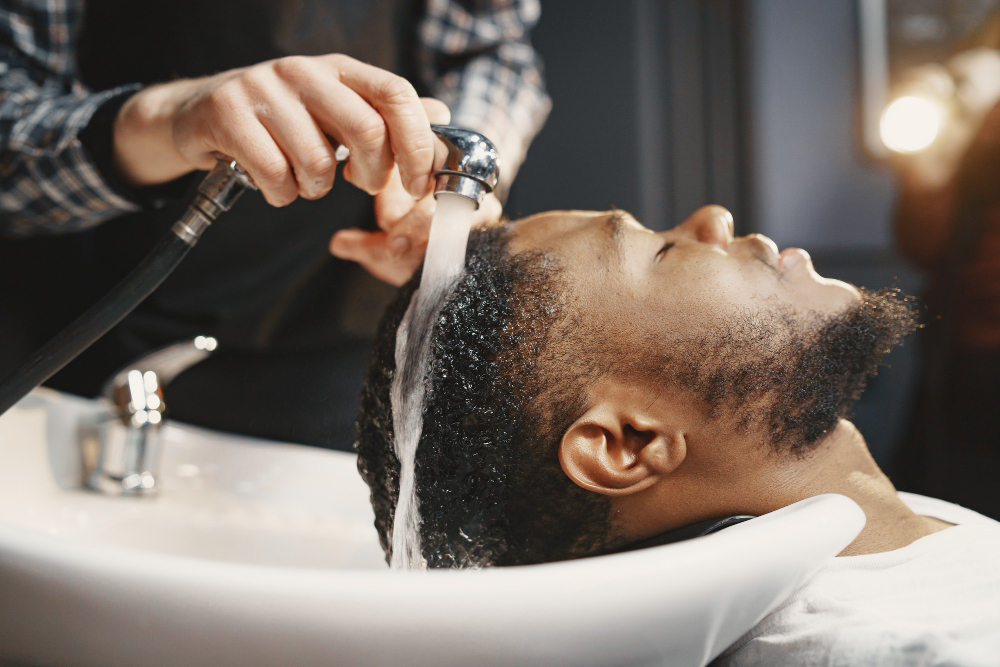
In this comprehensive guide, we’ll break down everything you need to know — step by step.
The main purpose of washing your hair is removing dirt oil and buildup that accumulates over time.
Your scalp naturally produces oils (sebum), which are essential for protecting and moisturizing your hair. However, excess oil, combined with environmental dirt and styling products, can lead to:
Product buildup
Greasy roots
Irritated scalp
Dull-looking hair
Keeping your hair clean doesn’t mean washing it excessively. It means washing it correctly and based on what your hair actually needs.
Before you even step into the shower, it’s important to know that washing frequency and technique depends on your hair type.
Fine Hair
If you have fine hair, it tends to get oily faster due to lighter strands and quicker oil spread. This type may require more frequent washing.
Dry Hair
Dry hair lacks moisture and natural oils. Washing too often can make it worse.
Curly or Textured Hair
Your curl pattern affects how oil travels from the scalp to the ends. Curly hair usually needs less frequent washing.
Treated Hair
Chemically treated hair (colored, bleached, or keratin-treated) requires extra care to prevent damage and fading.
Understanding your hair type is the foundation of good hair care.
Before you wet your hair, gently detangle it using a wide toothed comb.
This step helps:
Prevent breakage
Make washing easier
Ensure even product distribution
Always start from the ends and work your way up to avoid pulling or damaging your hair.
This might sound obvious, but many people don’t fully saturate their hair.
Make sure to completely rinse your hair with lukewarm water before applying shampoo.
Warm water helps:
Open the hair cuticle
Loosen dirt and oil
Prepare the scalp for cleansing
Avoid very hot water, as it can strip your hair of natural oils and lead to dryness.
Shampoo is designed to clean the scalp — not the entire length of your hair.
Take a small amount and focus on your scalp.
Gently massage it in using your fingertips, not your nails.
This helps:
Stimulate circulation
Break down oil and buildup
Clean the roots effectively
As you massage, the shampoo will naturally move down the hair strands.
There is no need to aggressively scrub the ends.
After massaging the scalp, thoroughly rinse your hair.
Incomplete rinsing can leave behind residue, leading to:
Itchy scalp
Product buildup
Hair that doesn’t feel clean
Take your time during this step to ensure all shampoo is removed.
In some cases, especially if you have heavy product buildup, you may need to shampoo twice.
The first wash helps loosen dirt and oil.
The second wash deeply cleans the scalp.
This is especially useful for people who:
Use styling products regularly
Have oily hair
Haven’t washed their hair for several days
One of the most misunderstood steps in hair care is applying conditioner.
Conditioner should not be applied to the scalp unless specifically designed for it.
Instead, focus on:
Mid-lengths
Ends
These areas are more prone to dryness and damage.
Leave the conditioner on for a few minutes before rinsing.
This allows it to:
Hydrate the hair
Smooth the cuticle
Improve manageability
After conditioning, do a final rinse with cooler water.
This helps:
Close the hair cuticle
Add shine
Reduce frizz
Make sure no product remains in your hair.
How you dry your hair is just as important as how you wash it.
Avoid rubbing your hair aggressively with a towel.
Instead:
Gently squeeze out excess water
Use a soft towel or microfiber cloth
Let your hair air dry when possible
Excessive heat can damage hair over time.
If you use a blow dryer, use a low or medium heat setting.
There is no single answer to this question.
It depends on factors like:
Oil production
Hair type
Lifestyle
Climate
General Guidelines:
Oily hair: every 1–2 days
Normal hair: every 2–3 days
Dry or curly hair: 2–4 times per week
The key is to pay attention to how your hair feels.
If it feels greasy or heavy, it’s time to wash.
If it feels dry or brittle, you may be washing too often.
Many people unknowingly damage their hair by making simple mistakes.
Overwashing
Washing too frequently can strip your hair of natural oils.
Using Too Much Product
Excess shampoo or conditioner can lead to product buildup.
Scratching the Scalp
Using your nails can irritate the scalp.
Skipping Conditioner
Even fine hair needs hydration.
Not Rinsing Properly
Leftover product can cause irritation and dullness.
Over time, products, oils, and environmental factors can accumulate.
To remove buildup, you can:
Use a clarifying shampoo occasionally
Wash thoroughly
Avoid excessive styling products
This helps keep your hair and scalp balanced and healthy.
If you have treated hair, extra care is required.
This includes:
Using sulfate-free shampoos
Avoiding frequent washing
Deep conditioning regularly
These steps help preserve the treatment and maintain hair health.
According to many experts, including recommendations from a board certified dermatologist, proper hair washing is about balance.
You want to:
Clean the scalp without over-drying
Maintain natural oils
Avoid harsh chemicals
Listening to your hair is just as important as following general guidelines.
Your scalp naturally produces oil.
This oil:
Protects hair
Adds shine
Prevents dryness
However, excess oil can lead to buildup.
Balancing oil production is key to maintaining healthy hair.
There is no universal routine that works for everyone.
Your ideal routine depends on:
Hair type
Lifestyle
Environment
What works for one person may not work for another.
The goal is to find a routine that keeps your scalp and hair healthy and comfortable.
Washing your hair is more than just a routine — it’s a key part of maintaining healthy, strong, and manageable hair.
By understanding your hair type, using the right techniques, and avoiding common mistakes, you can improve both the look and feel of your hair.
Learning how to properly rinse your hair, apply products, and care for your scalp can make a noticeable difference over time.
Whether you have fine hair, dry hair, or chemically treated hair, the principles remain the same:
Be gentle
Be consistent
Pay attention to what your hair needs
When done correctly, washing your hair supports long-term health, improves texture, and keeps your hair looking its best every day.


