

Over the past decade, Turkey has become the global epicenter of hair restoration. In 2026, thousands of patients from Europe, the UK, the Middle East, and North America continue to travel to Turkey for a hair transplant—but a critical question remains:
The short answer is: Yes—if you choose correctly.
The long answer requires understanding medical tourism, clinic regulation, surgeon standards, pricing structures, and the risks of the so-called black market hair industry.
This guide breaks down everything you need to know—clearly, honestly, and without marketing hype.
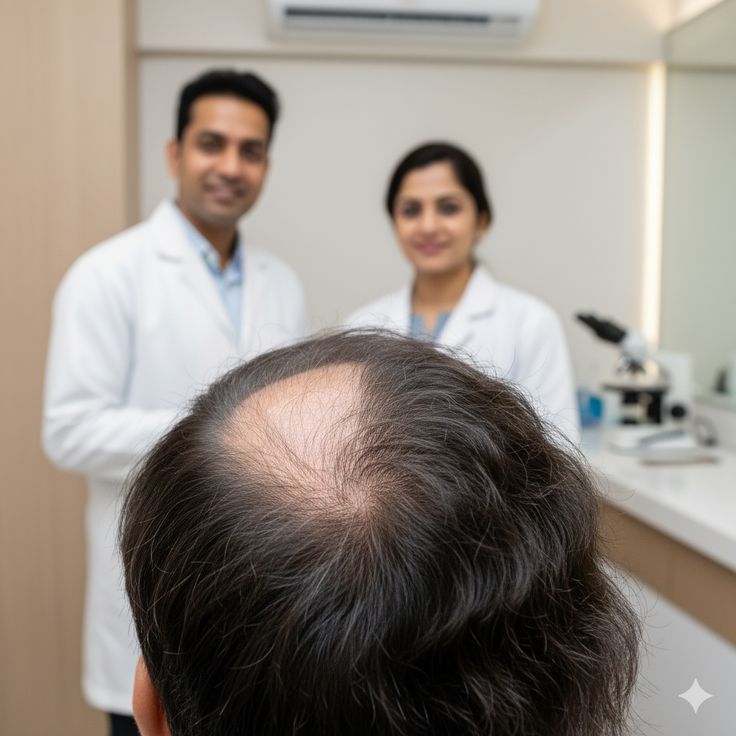
Turkey did not become a global leader by accident. Several structural factors converged:
Highly developed medical tourism infrastructure
Thousands of specialized hair restoration clinics
Competitive hair transplant cost without compromising technology
Surgeons with high procedural volume and experience
Government-regulated health tourism licensing
Today, hair transplants in Turkey account for a significant percentage of global procedures annually.
This is one of the most searched questions globally:
is it safe to get a hair transplant in turkey
are hair transplants in turkey safe
is it safe to travel to turkey for hair transplant
✔ Yes, Turkey is safe for a hair transplant in 2026
❌ But not every clinic in Turkey is safe
Safety depends on clinic selection, medical supervision, and ethical practice—not the country itself.
A legitimate hair transplant clinic in Turkey must meet strict criteria:
Licensed by the Turkish Ministry of Health
Operate as a hospital, medical center, or authorized polyclinic
Employ certified doctors and medical staff
Follow sterilization and infection-control protocols
Clinics operating outside this framework fall into the black market hair category—which is where most safety concerns originate.
The biggest risk in Turkey is not the country—it’s unlicensed operations.
Procedures performed in apartments or hotels
No licensed doctor on site
Untrained technicians performing surgery
No accountability, no medical records
These operations exist because of extremely low prices, often advertised online.
🔴 Extremely cheap offers = extremely high risk
One of the biggest reasons patients choose Turkey for hair transplants is affordability.
|
Country |
Average Cost |
|---|---|
|
USA |
$8,000 – $15,000 |
|
UK |
£6,000 – £12,000 |
|
Germany |
€6,000 – €10,000 |
|
Turkey |
$1,800 – $3,500 |
Lower hair transplant cost in Turkey is due to:
Lower operational expenses
High patient volume
Government support for medical tourism
❗ Low cost does not mean low quality—but too low often means unsafe.
A safe hair transplant procedure in Turkey follows global standards:
FUE hair transplant (gold standard)
Sapphire FUE
DHI (Direct Hair Implantation)
Donor evaluation
Donor area extraction
Recipient site creation
Graft implantation
Post-op monitoring
Each step must be performed or supervised by a licensed physician.
Clinics aligned with global standards often follow the guidelines of the
International Society of Hair Restoration Surgery (ISHRS).
ISHRS sets:
Ethical practice guidelines
Safety protocols
Surgeon education standards
While not mandatory, ISHRS-aligned clinics are generally more transparent and safer.
A reputable clinic in Turkey will always provide:
✔ Ministry of Health license
✔ Named, identifiable doctor
✔ Clear explanation of the hair transplant surgery
✔ Transparent pricing (no hidden fees)
✔ Real patient results
✔ Long-term follow-up care
🚩 Red flags include:
“Doctor not needed” claims
No clinic address
Cash-only offers
Unrealistic graft promises
The donor area is the foundation of successful outcomes.
Unsafe extraction leads to:
Overharvesting
Visible scarring
Permanent donor damage
High-quality Turkish clinics focus on:
Strategic donor management
Even extraction patterns
Preserving future hair loss treatments options
This is essential for long term results.
The recipient site determines:
Hair angle
Direction
Density
Natural appearance
Poor recipient site design results in:
Pluggy look
Unnatural hairlines
Wasted grafts
In safe clinics, recipient sites are created by doctors, not technicians.
Turkey’s medical tourism ecosystem includes:
Dedicated international patient departments
Multilingual coordinators
Airport transfers
Partner hotels
Post-op support
This system significantly reduces travel-related risk.
Yes. Turkey remains:
Politically stable for medical travel
Easily accessible from Europe & Middle East
Well-regulated in healthcare tourism
Millions of patients travel to Turkey for a hair transplant each year without complications—when they choose correctly.
Reputable Turkish hair restoration clinics also offer:
PRP therapy
Medical hair loss treatments
Finasteride/minoxidil guidance
Post-transplant maintenance
A clinic offering only surgery without long-term planning is a warning sign.
With a safe clinic:
Natural hairline design
Permanent transplanted hair
Healthy donor preservation
Predictable growth timeline
Poor clinics may deliver short-term density but poor long term results.
✔ You choose a licensed clinic
✔ A doctor performs critical steps
✔ The clinic avoids black market practices
✔ Long-term planning is prioritized
❌ Price is your only criterion
❌ Surgery is technician-only
❌ No regulation or follow-up exists
Turkey remains one of the top global hair transplant destinations in 2026.
The real question is not
“Is Turkey safe for a hair transplant?”
But rather:
“Is the clinic I choose safe?”
Make the right choice, and Turkey offers:
World-class expertise
Ethical medical care
Affordable excellence
Reliable, permanent results
Turkey’s hair transplant industry in 2026 is not the same as it was even three years ago. Several important changes have directly improved patient safety—and exposed unsafe providers more clearly.
Stricter enforcement of health tourism licenses
Increased inspections of transplant clinics in Turkey
Heavier penalties for illegal operators
More transparency requirements for international patients
As a result, safe clinics became safer, while unsafe ones were pushed further into the underground black market hair segment.
This makes patient due diligence more important—but also more effective—than ever before.
One of the biggest international concerns is:
“Is the doctor really involved, or do technicians do everything?”
In licensed hair transplant clinics, doctors are legally required to:
Diagnose hair loss
Design the hairline
Manage the donor area
Create the recipient site
Supervise graft implantation
Problems arise only in unlicensed clinics, where:
Doctors may never be present
Surgery is performed entirely by technicians
No accountability exists
This distinction—not geography—is what defines safety.
Many unsafe clinics advertise:
5,000–6,000 grafts in one session
“Maximum density guaranteed”
“No donor limits”
In reality, overharvesting the donor area can:
Permanently damage donor supply
Create patchy scarring
Ruin future hair loss treatments options
Produce poor long term results
A safe hair transplant clinic will limit graft numbers, not inflate them.
Even when graft survival is high, poor design ruins outcomes.
Unsafe Recipient Site Practices
Incorrect angle placement
Straight, unnatural hairlines
Dense packing without blood supply consideration
Technician-designed implantation
The recipient site determines:
Natural appearance
Growth direction
Styling flexibility
This is why in ethical hair restoration clinics, doctors always design and open recipient sites.
Safe medical tourism is not just about surgery—it’s about the entire process.
Airport pickup (no taxis after surgery)
Hotel coordination close to clinic
Medication management
Emergency contact access
Written post-op instructions
Patients treated in unregulated settings often leave Turkey without follow-up, which dramatically increases complication risk.
From a travel standpoint, Turkey remains:
One of the most visited countries globally
A major hub for international healthcare
Well-connected via direct flights
For patients asking:
is it safe to travel to turkey for hair transplant
is it safe to get a hair transplant in turkey
The answer in 2026 remains yes, provided you:
Choose licensed providers
Avoid cash-only offers
Do not accept hotel-room procedures
Understanding risk helps patients avoid panic—and recognize danger.
Mild swelling
Temporary redness
Scabbing in recipient area
Temporary shock loss
Severe pain
Persistent bleeding
Infection signs
Uneven necrosis
Safe clinics monitor these carefully; unsafe ones disappear after payment.
Yes, hair transplant cost is lower in Turkey—but safety has a price floor.
Safe clinics cannot operate below a certain cost
Extremely cheap offers usually mean:
No doctor involvement
Poor sterilization
Technician-only surgery
Cost hair transplants should be evaluated relative to:
Medical oversight
Long-term outcome
Donor preservation
Cheap surgery that needs repair is the most expensive option.
When comparing hair transplant destinations, Turkey stands out for:
Volume-based expertise
Advanced FUE hair transplant techniques
Strong medical tourism regulation
Other destinations may be safe—but often at 3–5x the cost, without better outcomes.
The best Turkish clinics focus on:
Conservative donor management
Natural hairline planning
Age-appropriate density
Long-term hair loss progression
This results in:
Stable, permanent transplanted hair
Preserved donor area
No need for corrective surgery
Poor clinics may show fast early density—but fail over time.
✅ Yes—when performed in licensed, ethical clinics
❌ No.
⚠️ The risk is choosing the wrong clinic.
Patients chasing the cheapest offer
Those unwilling to research clinics
Anyone ignoring medical credentials
For informed patients, Turkey remains one of the safest and most advanced hair transplant destinations in the world.
Turkey’s reputation in hair transplantation exists for a reason—but safety is earned, not automatic.
Choose:
✔ Licensed clinics
✔ Doctor-led procedures
✔ Transparent pricing
✔ Long-term planning
Do that—and Turkey is not just safe in 2026, it’s one of the smartest choices available.
Turkey is not a one-size-fits-all destination. Safety outcomes improve significantly when the right patient profile matches the right clinic.
Patients with moderate to advanced hair loss
Individuals seeking FUE hair transplant techniques
Patients needing large graft sessions (when ethically planned)
International patients seeking structured medical tourism
Those prioritizing long term results over fast cosmetic fixes
Very young patients (under 25)
Patients with unstable hair loss
Individuals with unrealistic density expectations
People choosing clinics based on price alone
Proper consultation determines whether hair transplants in Turkey are safe for you specifically.
A safe hair transplant clinic in Turkey does not start with surgery—it starts with evaluation.
Detailed hair loss diagnosis
Donor capacity analysis
Medical history review
Blood tests when indicated
Long-term hair loss planning
Clinics skipping these steps increase the risk of:
Donor depletion
Poor growth
Unsatisfactory hair transplant surgery outcomes
Pre-op planning is the foundation of safety.
The donor area is a finite resource. Ethical clinics treat it as such.
Calculate donor density scientifically
Preserve donor area for future needs
Avoid “mega sessions” when unsafe
Use scattered extraction patterns
Chase high graft numbers
Overharvest aggressively
Ignore future hair loss progression
Donor damage is irreversible—and one of the biggest long-term risks in unsafe clinics.
Contrary to outdated myths, licensed Turkish clinics often exceed European sterilization standards due to:
Hospital-grade operating rooms
Single-use surgical tools
Regulated waste disposal
Mandatory infection-control audits
Infections in hair transplant procedure cases are rare when surgery is performed in licensed facilities.
Most reported infections originate from black market hair operations—not registered clinics.
One overlooked question patients should ask:
“What happens after I leave Turkey?”
Written aftercare protocols
Medication schedules
Online follow-up at 1, 3, 6, 12 months
Direct contact with medical staff
Disappear after payment
Offer no follow-up
Blame patients for poor outcomes
Long-term follow-up directly affects long term results.
Yes—when done correctly.
Transplanted hair is:
Genetically resistant to hair loss
Permanent by nature
Dependent on correct extraction and implantation
However, unsafe practices can:
Kill grafts early
Damage blood supply
Produce weak growth
That’s why hair restoration clinics focused on biology—not speed—deliver the best outcomes.
Patients often ask:
“If Turkey is so cheap, where’s the catch?”
The truth:
Hair transplant cost is lower due to economics—not shortcuts
But there is a minimum safe cost threshold
Below That Threshold, You Risk
No doctor involvement
Technician-only surgery
Unsafe environments
No accountability
Cost hair transplants should be judged by medical value, not price tags.
Many patients have clinics in their own countries—yet still choose Turkey for hair transplants.
Reasons include:
Higher surgeon experience (volume matters)
Better donor management in large sessions
Advanced FUE refinement
Integrated medical tourism logistics
For many, Turkey offers better outcomes—not just lower cost.
Negative headlines often focus on:
Extreme cases
Illegal clinics
Social media disasters
What they rarely explain:
These cases violate Turkish medical law
They do not represent licensed clinics
They are not unique to Turkey
When patients ask:
are hair transplants in turkey safe
The correct answer is:
“Licensed clinics are safe. Illegal ones are not.”
This applies globally—not just to Turkey.
Before booking, confirm the following:
✔ Ministry of Health license
✔ Doctor name and credentials
✔ Clear explanation of hair transplant procedure
✔ Real patient results (not stock photos)
✔ Transparent pricing
✔ Post-op follow-up system
If any of these are missing, safety is compromised.
✅ Yes—Turkey is safe when the clinic is legitimate, licensed, and doctor-led.
⚠️ The danger is black market hair clinics operating outside regulation.
Turkey remains one of the world’s most advanced hair transplant destinations, combining:
Experience
Technology
Regulation
Value
When chosen wisely, hair transplants in Turkey are not just safe—they are among the best options available worldwide.


