

Joel McHale has long been known for his sharp humor and equally sharp on-screen appearance. Over the years, fans have speculated about whether he underwent one of the many modern hair transplants that have become common among public figures.
Interest intensified after discussions on comedy circuits and podcast appearances — including conversations linked to the Drunk Podcast and mentions alongside comedians like Mark Normand and Sam Morril. At one point, McHale jokingly remarked something along the lines of “yeah i m fully bald” — a humorous exaggeration that further fueled online curiosity.
But what does the visual evidence actually suggest?
In this detailed 2026 guide, we analyze Joel McHale’s hair journey, the before-and-after differences, possible transplant methods, and realistic cost estimates.
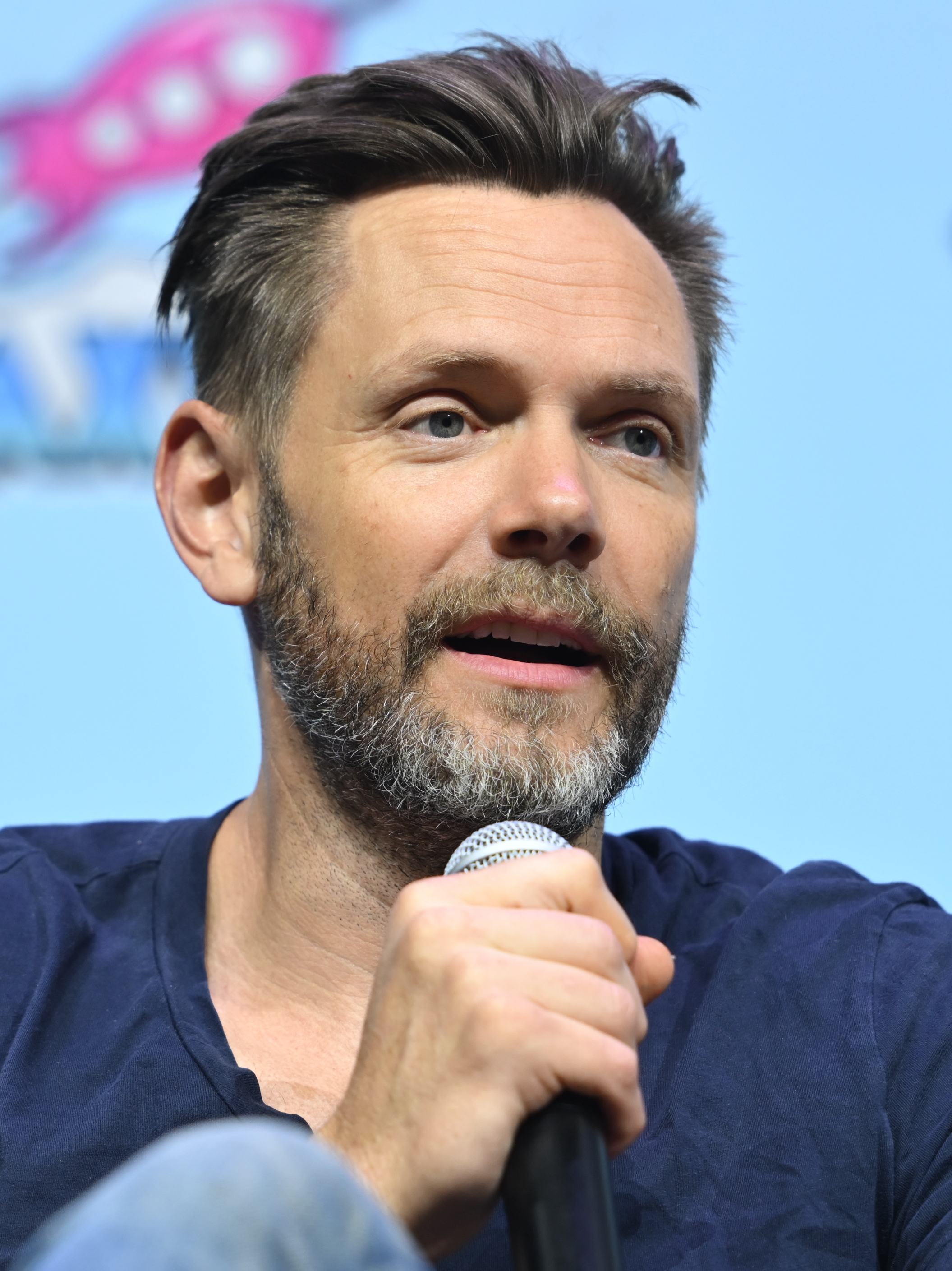
In the early 2000s, especially during his time on The Soup and later Community, McHale appeared to have:
Strong frontal density
Slightly high but stable hairline
Minimal visible thinning
Unlike dramatic celebrity transformations, McHale never displayed obvious advanced baldness. His hairline appeared naturally mature rather than aggressively receding.
As McHale aged, subtle shifts were noticeable:
Slight temple thinning
Mild frontal maturation
Slight density variation under bright studio lighting
These changes are consistent with early-stage male pattern hair thinning — but not severe recession.
Importantly, there has been no dramatic “rebuild” moment visible between seasons or appearances.
Discussions intensified when fans revisited podcast appearances. During conversations associated with the Drunk Podcast format and mentions alongside Mark Normand and Sam Morril, McHale humorously commented “yeah i m fully bald” — clearly delivered in a comedic tone.
It’s essential to recognize:
The statement was likely self-deprecating humor.
There was no formal confirmation of surgery.
Comedians frequently exaggerate for comedic effect.
Still, speculation around a potential transplant persisted.
There is no official confirmation that Joel McHale underwent a transplant procedure.
However, when evaluating possible hair transplants, experts look for:
Sudden density increase
Dramatic hairline lowering
Rapid structural change
Long-term stability after visible thinning
In McHale’s case, improvements appear subtle rather than transformative.
If Joel McHale had undergone surgery, two primary techniques would be considered:
FUT (Strip Surgery)
This is the traditional method that involves removing a strip of scalp from the donor area.
That strip is dissected into grafts and implanted into thinning regions.
Characteristics:
Leaves a linear scar
Suitable for larger graft sessions
Longer recovery time
This method that involves strip removal was more common in early 2000s procedures.
FUE (Follicular Unit Extraction)
Modern celebrity cases overwhelmingly prefer FUE.
This technique:
Extracts individual grafts
Leaves no linear scar
Has faster healing
Allows short hairstyles
Given McHale’s preference for shorter, textured cuts, FUE would be the more likely option if surgery occurred.
Based on visible comparison across his career, if surgery occurred, it would likely involve:
1500–2500 grafts
Focus on temple reinforcement
Minor frontal density enhancement
There is no evidence of large-scale crown reconstruction.
When examining his overall hair journey, what stands out most is consistency.
Unlike dramatic cases such as Elon Musk’s widely discussed transformation, McHale’s hair has:
Remained proportionate to his facial structure
Avoided aggressive lowering
Maintained a natural gradient
This suggests either:
Minimal intervention
Early preventative treatment
Or purely natural stabilization
Modern hair restoration philosophy prioritizes:
✔ Conservative design
✔ Age-appropriate density
✔ Avoiding “pluggy” appearance
✔ Long-term natural aging
An aggressive correction can look unnatural on camera.
McHale’s current hairline appears consistent with natural aging patterns — whether surgically assisted or not.
Hair styling plays a significant role.
McHale often wears:
Textured forward styles
Volume-enhancing cuts
Slight lift at the front
These techniques can create the illusion of thicker density without surgical intervention.
If McHale underwent surgery in 2026, estimated pricing would be:
🇺🇸 United States (High-End Clinic)
$10,000 – $25,000+
🇬🇧 United Kingdom
£7,000 – £18,000
🇹🇷 Turkey
€2,500 – €6,000
For a public figure, additional privacy services could raise total cost.
Modern FUE recovery typically includes:
7–10 days visible healing
1 month shedding phase
3–4 months regrowth
12 months final maturation
Because McHale remained active publicly without noticeable downtime gaps, any potential procedure would have been discreetly timed.
If surgery occurred, transplanted follicles would be:
DHT resistant
Permanent
Natural-growing
If no surgery occurred, his relatively stable hairline suggests either strong genetics or effective preventative care.
At this time:
Joel McHale has not officially confirmed undergoing hair transplant surgery.
Podcast comments appear comedic rather than medical disclosure.
Visual changes are subtle and consistent with natural maturation.
If intervention occurred, it was likely:
Conservative
FUE-based
Focused on temple refinement
Designed for undetectable results
Joel McHale’s case illustrates how modern hair transplants are often subtle, strategic, and difficult to confirm without direct admission.
Whether surgical or natural, his hairline evolution reflects a balanced, age-appropriate look that avoids dramatic transformation.
In 2026, the line between natural aging and discreet hair restoration is thinner than ever — especially in Hollywood.
When evaluating Joel McHale’s hair over time, the most important observation is structural stability.
Across different eras of his career:
The frontal height remains relatively consistent
Temple angles have not dramatically shifted
Crown visibility has remained limited
Density appears proportionate to age
Unlike dramatic celebrity cases, McHale’s appearance does not show an abrupt density jump. Instead, if any refinement occurred, it appears gradual.
The quote “yeah i m fully bald” — often referenced online — should be understood in comedic context.
Joel McHale is known for self-deprecating humor. During discussions tied to the Drunk Podcast format and mentions involving Mark Normand and Sam Morril, exaggerated commentary is common.
In comedy settings:
Hyperbole is frequent
Physical traits are often mocked
Statements are rarely literal disclosures
There is no verified medical confirmation tied to that remark.
If surgery occurred, it would likely involve:
Conservative frontal third enhancement
1500–2000 graft range
Subtle temple reinforcement
Density balancing rather than hairline lowering
Modern celebrity hair work avoids dramatic reconstruction.
Earlier transplant approaches often used a technique that involves removing a strip of scalp — commonly known as FUT.
This method that involves strip excision was popular in the early 2000s but:
Leaves a linear scar
Has longer recovery
Is less preferred today
Given McHale’s shorter hairstyles over the years, FUE would be more consistent with a discreet approach.
Classic signs of poorly executed transplants include:
Straight artificial hairlines
Plug-like clustering
Sudden density walls
Visible scarring
McHale’s hairline lacks these characteristics.
If surgical refinement occurred, it was likely executed with:
Single-hair frontal placement
Natural micro-irregularity
Density gradient layering
Careful angle alignment
Studio lighting plays a massive role in perceived density.
Under bright overhead lighting:
Even thick hair can appear thinner
Hair shaft thickness affects shine
Minor scalp reflection becomes amplified
Changes in:
Lighting setup
Hair product use
Styling direction
can significantly alter visual perception without surgical intervention.
A key principle in modern hair restoration is not chasing a teenage hairline.
Instead, surgeons aim for:
Mature but full appearance
Temple balance
Natural recession appropriate to age
Long-term sustainability
McHale’s current hairline aligns with age-consistent positioning rather than artificially lowered placement.
If a procedure occurred, donor management would include:
Wide dispersion extraction
Avoiding overharvesting
Preserving density for future touch-ups
Overharvesting often creates visible thinning at the back — something not apparent in McHale’s case.
In 2026, modern hair transplants are:
Minimally invasive
Discreet
Gradual in visual improvement
Designed to blend seamlessly
Because results appear natural, distinguishing surgery from genetics becomes increasingly difficult.
At present:
Joel McHale has not officially confirmed any hair transplant surgery.
Podcast remarks appear comedic rather than clinical statements.
Visual evidence suggests stability more than dramatic transformation.
If intervention occurred, it was likely:
Conservative
FUE-based
Focused on density refinement
Executed with modern, undetectable technique
His case highlights how subtle and strategic modern hair transplants have become — especially among public figures.


