

When it comes to hair care, most people focus on whether they have straight hair, wavy hair, or curly hair. While hair texture is important, there is another factor that often matters even more for healthy, manageable hair: hair porosity.
Have you ever wondered why some moisturizing products seem to sit on your hair without working, while others disappear instantly but leave your hair dry again within hours? Or why styling products work beautifully on some days and fail completely on others? The answer often lies in whether you have low porosity hair, medium porosity hair, or high porosity hair.
In this comprehensive guide, we will explain:
What hair porosity really is
How to tell if your hair is low, medium, or high porosity
The key differences between low and high porosity hair
The best routines, products, and habits for each type
Understanding porosity can completely change how your hair looks, feels, and responds to care.
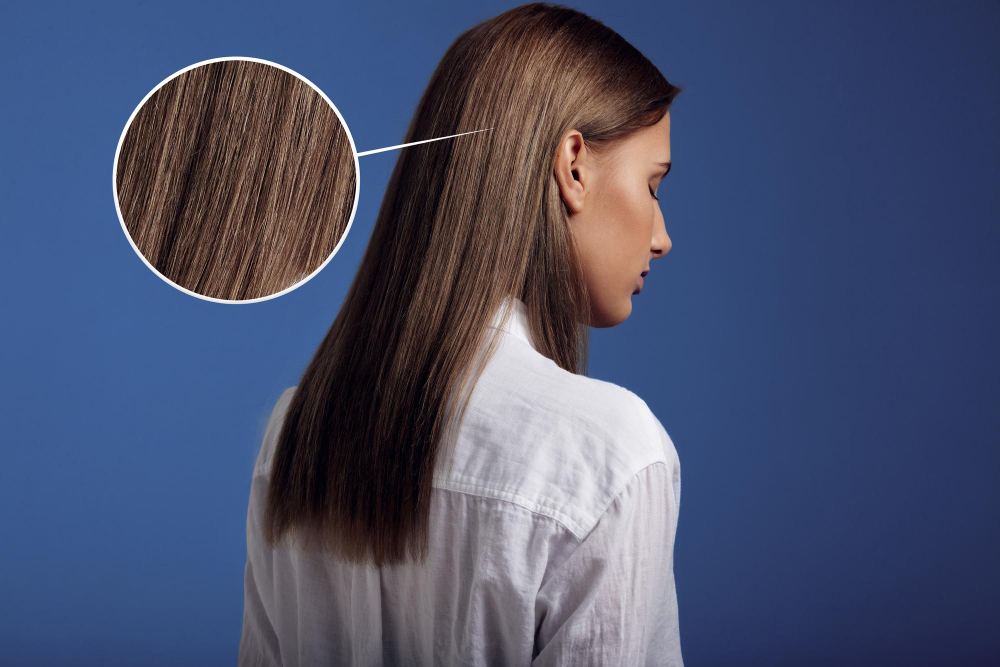
Hair porosity refers to your hair’s ability to absorb, retain, and release moisture. This ability depends on the structure of the cuticle layer, which is the outermost layer of each strand of hair.
The cuticle layer is made up of overlapping scales, similar to roof shingles:
When these scales are tightly closed, moisture struggles to enter
When they are raised or damaged, moisture enters easily but escapes just as fast
Porosity is not about hair thickness or curl pattern. It is about how each hair strand interacts with water, oils, and products.
There are three main porosity categories:
Low porosity hair
Medium porosity hair
High porosity hair
Each has unique characteristics, strengths, and challenges.
Low porosity hair has a tightly closed cuticle layer. The cuticles lie flat, which makes it difficult for moisture to penetrate the hair shaft.
Common Signs of Low Porosity Hair
Water beads up on the hair instead of soaking in
Products tend to sit on the surface
Hair takes a long time to get fully wet
Hair dries slowly
Hair often feels smooth but can feel heavy or coated
Many people with natural hair or healthy, untreated hair have low porosity hair.
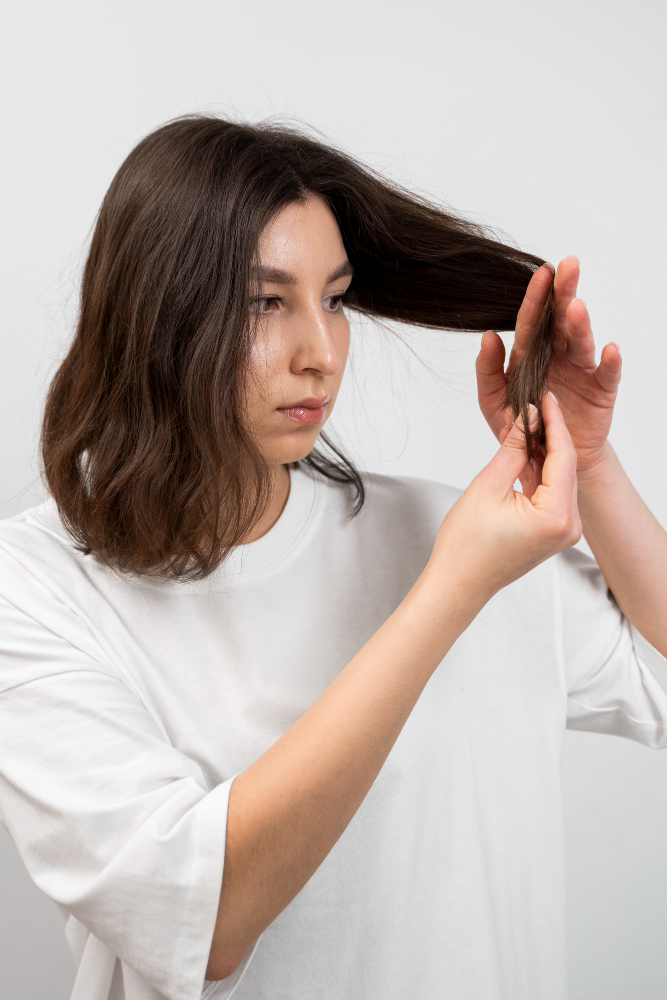
High porosity hair has open cuticles, often due to damage or genetics. The cuticle gaps allow moisture to enter easily—but they also allow it to escape quickly.
Common Signs of High Porosity Hair
Hair absorbs water very quickly
Hair dries very fast
Hair feels rough, dry, or brittle
Frizz and tangling are common
Hair breaks easily
High porosity hair is frequently associated with damaged hair, often caused by bleaching, coloring, chemical treatments, or excessive heat styling.
Medium porosity hair is considered the most balanced and manageable type. The cuticle layer is neither too tight nor too open.
Characteristics of Medium Porosity Hair
Moisture enters easily and stays longer
Products absorb well without buildup
Hair holds styles effectively
Hair feels soft and flexible
Most hair care products are formulated with medium porosity hair in mind.
The most popular at-home method is the float test.
How to do it:
Take a clean strand of hair (no product buildup)
Drop it into a bowl of room-temperature water
Observe what happens after a few minutes
Results:
Hair floats → low porosity
Hair stays in the middle → medium porosity hair
Hair sink to the bottom → high porosity
While not perfect, this test gives a helpful starting point.
Pay attention to how your hair feels when you touch it:
Smooth and slick → low porosity
Soft and balanced → medium porosity
Rough or straw-like → high porosity
Touch is often more reliable than any test.
Takes a long time to dry → low porosity
Dries at a normal rate → medium porosity
Dries extremely fast → high porosity
Drying time can be observed after washing or air drying.
Porosity determines:
How often you need moisture
Which leave in conditioners work best
Whether heavy oils help or hurt
How your hair responds to styling products
Without understanding porosity, even the best products may fail.
Main Goal
👉 Help moisture enter the hair without causing buildup.
Recommended Practices
Use lightweight moisturizing products
Apply products on damp hair
Use gentle heat occasionally to open the cuticles
Choose water-based leave in conditioners
Use a deep conditioner once a week
What to Avoid
Heavy butters and waxes
Too much protein
Layering too many products
Low porosity hair easily becomes weighed down.
Main Goal
👉 Seal moisture in and protect the cuticle layer.
Recommended Practices
Use rich creams and oils
Layer products (liquid, cream, oil method)
Regular deep conditioner treatments
Minimize heat styling
Finish with cool water to help close cuticles
High porosity hair needs both moisture and sealing.
Main Goal
👉 Maintain balance and prevent damage.
Recommended Practices
Alternate between moisture and protein
Use styling products as needed
Avoid excessive heat
Maintain a consistent routine
Medium porosity hair is flexible but can shift toward high porosity if damaged.
Frequent heat styling can permanently change porosity by lifting and cracking the cuticle layer.
Over time:
Low or medium porosity hair can become high porosity
Moisture retention decreases
Hair becomes more fragile
Using heat protection and limiting heat exposure is essential.
Porosity is independent of texture.
Natural hair can be low, medium, or high porosity
Straight hair can also fall into any porosity category
Curl pattern does not determine porosity—cuticle condition does.
Hair thickness and porosity are often confused:
Thick hair strands can be high porosity
Fine hair strands can be low porosity
They are separate characteristics and should be treated differently.
True hydrated hair is not just wet—it retains moisture over time.
Low porosity hair needs help letting moisture in
High porosity hair needs help keeping moisture in
Medium porosity hair does both naturally
Hydration is about balance, not saturation.
Using heavy products on low porosity hair
Skipping sealing steps on high porosity hair
Overusing protein
Ignoring porosity changes after damage
These mistakes often lead to frustration and poor results.
Yes. Porosity can change due to:
Chemical treatments
UV exposure
Mechanical damage
Improved hair care routines
With proper care, even damaged hair can feel healthier and more manageable.
1 clarifying wash
1 light deep conditioning session
1–2 leave-in applications
2 washes
1 deep conditioning session
Styling as needed
1–2 gentle washes
2 deep conditioning sessions
Daily sealing routine
Hair porosity is one of the most overlooked yet powerful concepts in hair care. When you understand how your hair absorbs and retains moisture, everything changes—from product choice to styling success.
Whether you have low, medium, or high porosity hair, the key is not copying someone else’s routine, but building one that works with your own hair’s structure.
Healthy hair doesn’t start with expensive products—it starts with understanding your hair.


