

Many people reach a point where they look in the mirror and ask themselves a worrying question: “My hair is so thin that I can see my scalp – what should I do?”
If you are experiencing this, you are far from alone. Hair thinning and visible scalp concerns affect men and women of all ages and are often an early sign of underlying hair health issues rather than a purely cosmetic problem.
One of the most common questions people ask online is:
why can I see my scalp through my hair
This comprehensive guide explains why this happens, what it means, and what you can realistically do to improve hair density, slow hair shedding, and choose the right hair loss treatment for your situation.
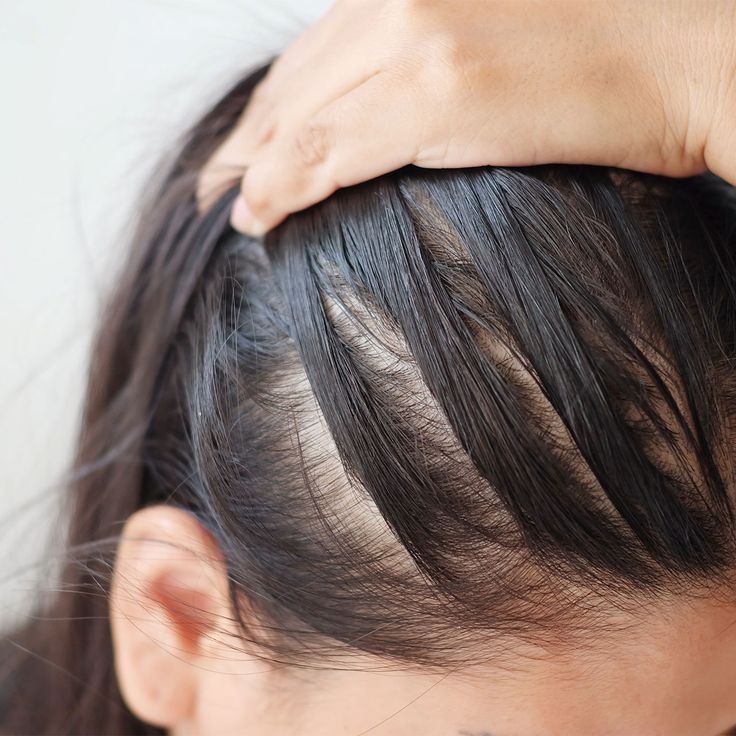
When hair becomes noticeably thin, it usually happens in one of two ways:
In both cases, the result is the same: reduced hair density and a visible scalp, especially under bright light or when hair is parted.
When people say “my hair is so thin”, they are often describing a gradual biological process rather than sudden hair loss.
The question why can I see my scalp through my hair has multiple possible answers. The scalp becomes visible when hair coverage is no longer sufficient to block light from reaching the skin underneath.
This can happen due to:
Identifying the root cause is essential before choosing a treatment approach.
Hair density refers to how many hair follicles are actively producing hair in a given area of the scalp.
Hair thickness refers to the diameter of each individual hair strand.
You can have:
Any of these scenarios can make the scalp visible.
Some degree of hair shedding is normal. Most people lose 50–100 hairs per day as part of the natural hair cycle. However, excessive or prolonged shedding can lead to hair thinning over time.
Excessive shedding often signals:
Telogen effluvium is one of the most common causes of diffuse hair thinning and visible scalp. It occurs when a large number of hair follicles enter the resting phase simultaneously.
Triggers include:
Telogen effluvium is usually temporary, but during active shedding phases, hair can look dramatically thinner.
Female pattern hair loss is a leading cause of thinning hair in women. Unlike complete baldness, it causes diffuse thinning across the crown and mid-scalp while the hairline remains largely intact.
Key features include:
Hormonal sensitivity and genetics play a major role.
Male pattern baldness, also known as androgenetic alopecia, affects millions of men worldwide. It often begins with thinning at the temples or crown but starts long before obvious bald spots appear.
Early signs include:
Early intervention is crucial for slowing progression.
Androgenetic alopecia affects both genders but presents differently.
In men:
In women:
In both cases, follicles gradually miniaturize, producing thinner and shorter hairs.
Healthy hair requires adequate nutrients. Nutritional deficiencies can weaken hair follicles and lead to hair thinning.
Common deficiencies include:
Without proper nutrition, hair strands grow weaker, thinner, and more prone to shedding.
Several medical conditions can directly impact hair health and scalp visibility, such as:
Treating hair loss without addressing these underlying issues often leads to limited results.
Hair health is deeply connected to scalp health. A compromised scalp environment can:
Inflammation, poor circulation, or chronic irritation can all worsen thinning.
Regular use of tight hairstyles such as tight ponytails, buns, or braids can physically stress hair follicles. Over time, this traction can reduce hair density, especially around the hairline and temples.
This condition, known as traction alopecia, is preventable with lifestyle changes.
Chronic stress elevates cortisol levels, disrupting hair growth cycles and triggering hair shedding. Stress-related hair thinning often overlaps with telogen effluvium and can exacerbate genetic hair loss.
Managing stress is a crucial but often overlooked step in hair loss treatment.
The answer depends on the cause. If thinning is due to:
Hair regrowth is often possible.
However, in advanced androgenetic alopecia, regrowth may be limited without medical intervention.
To promote hair growth, focus on:
These measures support existing follicles but cannot revive dead ones.
Effective hair loss treatment depends on the diagnosis. Options may include:
Combination approaches often deliver the best results.
When thinning progresses to permanent follicle loss, hair transplants may be the most effective solution.
Hair transplants:
They are not a first-line solution but can be transformative when used appropriately.
Even after treatment, restoring youthful hair density may not always be realistic. The goal is often to improve coverage, balance, and scalp concealment rather than achieving childhood hair volume.
Although causes may differ, the ultimate goal for men and women is the same:
Customized treatment plans are essential.
Simple daily changes can make a difference:
These steps protect fragile hair strands.
Seeing your scalp through your hair can significantly affect self-esteem. Hair is closely tied to identity, youth, and confidence. Addressing emotional well-being is just as important as physical treatment.
Seek professional evaluation if:
Early intervention improves outcomes.
If your hair is so thin that your scalp is visible, the most important steps are:
Many people notice that their visible scalp appears worse under bright sunlight, bathroom lighting, or camera flashes. This does not necessarily mean hair loss has suddenly worsened. Thin hair reflects less light and provides less coverage, allowing the scalp to show through more easily.
When hair strands become finer, even a normal number of hair follicles may no longer provide sufficient coverage. This optical effect often intensifies anxiety, especially in people already concerned about hair shedding or reduced hair density.
Understanding this visual component helps prevent unnecessary panic and overcorrection with harsh products or aggressive treatments.
Hair texture plays a major role in how thick or thin hair appears. Straight, fine hair lies flat against the scalp, making thinning more noticeable. Curly or wavy hair, on the other hand, creates volume and disguises scalp visibility more effectively.
This is why two people with the same hair density can look very different:
This distinction is important when evaluating whether thinning is truly progressing or if styling adjustments could reduce the appearance of a visible scalp.
Improper washing habits can indirectly reduce hair quality over time. Overwashing may strip the scalp of natural oils, while underwashing allows buildup that interferes with scalp health.
Both extremes can:
Balanced washing supports long-term hair health and helps maintain consistent hair growth cycles.
Beyond obvious tight hairstyles, many subtle habits contribute to thinning hair without immediate notice.
These include:
Over time, these behaviors can lead to hair thinning and increase scalp visibility, particularly around the temples and crown.
Low-grade scalp inflammation is an often-ignored contributor to hair thinning. Chronic inflammation can impair follicle function, shorten growth cycles, and increase shedding.
Inflammation may result from:
Addressing inflammation early can help stabilize hair loss and improve response to hair loss treatment.
Many people notice increased hair shedding during seasonal transitions, especially in autumn and spring. This shedding can temporarily worsen the appearance of a visible scalp, even in individuals without chronic hair loss.
Seasonal shedding:
Awareness of this cycle helps prevent unnecessary stress and over-treatment.
Yes. Hormonal fluctuations—especially in women—can reduce hair density without causing full baldness. Pregnancy, postpartum changes, menopause, and thyroid imbalances all influence hair thickness.
These changes may:
Correct diagnosis prevents inappropriate or ineffective treatments.
Many products claim to promote hair growth, but no topical solution can overcome untreated genetics or systemic issues. Hair growth products work best when combined with:
Without addressing root causes such as androgenetic alopecia or nutritional deficiencies, results remain limited.
Early hair thinning is often managed with prevention-focused strategies. However, when follicle activity declines significantly, expectations must change.
At this stage:
Recognizing this transition point allows for realistic decision-making.
For individuals whose hair is so thin that the scalp remains visible despite treatment, hair transplants can dramatically improve appearance. However, transplants do not increase original hair density beyond donor limitations.
Successful outcomes depend on:
When done correctly, transplants significantly reduce scalp visibility and restore balance.
Emotional stress not only triggers hair shedding but also intensifies awareness of thinning. Constant checking, photographing, or comparing hair can worsen anxiety, which in turn exacerbates shedding.
Breaking this cycle is essential:
Mental well-being directly supports physical hair recovery.
Hair thinning rarely has a single cause or a one-step solution. Sustainable improvement requires a long-term strategy that includes:
This approach yields better outcomes than chasing quick fixes.
If your hair is so thin that your scalp is visible, the most important takeaway is this:
thin hair is a signal, not a sentence.
With early action and informed decisions, thinning hair can often be stabilized, improved, or effectively restored.


