

In modern hair transplant procedures, natural-looking results depend not only on how well grafts are placed in the recipient area, but also on how carefully they are harvested from the donor. One of the most serious technical mistakes in hair transplant surgery is overharvesting — removing too many grafts from the donor site.
An overharvested donor area can lead to thinning, patchiness, and even visible scarring, permanently compromising the back and sides of the scalp. This raises a critical question: How many grafts are too many?
In this comprehensive guide, we will explore donor area limitations, safe graft extraction numbers, the risks of excessive harvesting, and how to protect long-term hair density for a truly successful hair transplant.
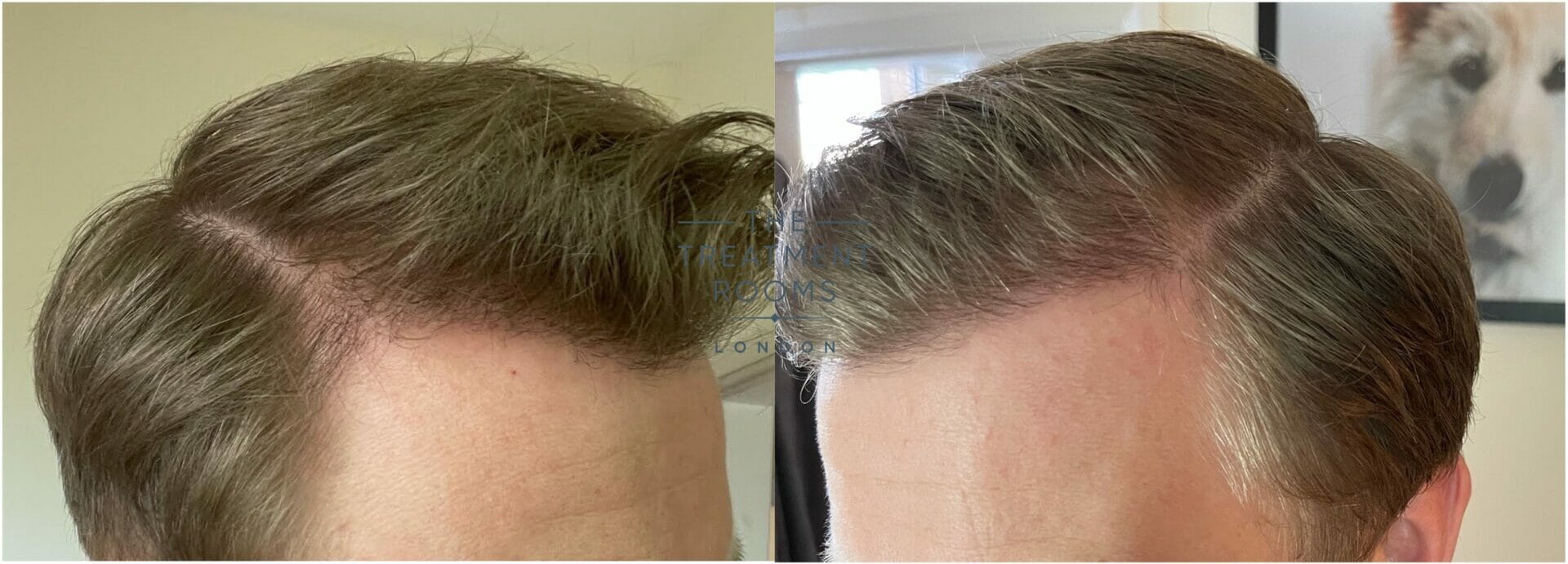
The hair transplant donor region typically refers to the back and sides of the scalp — areas genetically resistant to male pattern baldness. These regions contain healthy hair follicles that are less sensitive to DHT (dihydrotestosterone), the hormone responsible for progressive hair loss.
During follicular unit extraction FUE or other techniques, grafts are removed from the donor area and implanted into thinning or bald zones known as recipient sites.
The donor supply, however, is limited.
You cannot harvest unlimited grafts without consequences.
An overharvested donor site occurs when too many follicular units are extracted from a specific area, leaving:
Visible thinning
Patchy appearance
Uneven hair density
Cosmetic imbalance
Permanent aesthetic damage
This is especially noticeable when the patient wears short hair.
The goal of a skilled hair transplant surgeon is to maintain uniform distribution while extracting grafts safely.
The answer depends on multiple variables:
Natural hair density
Scalp laxity (for strip methods)
Thickness of hair shafts
Donor zone size
Patient age
Future hair loss progression
On average:
Total lifetime donor capacity ranges from 5,000–8,000 grafts
In a single FUE hair transplant, 2,000–3,500 grafts may be safely harvested
High-density donors may allow slightly more
However, extracting too many grafts in one session increases risk of overharvesting.
A conservative approach protects long-term donor integrity.
Hair density refers to the number of follicular units per square centimeter.
Average scalp density:
70–100 follicular units per cm²
Safe extraction guidelines typically suggest:
Removing no more than 20–30% of available density in a given area
If a surgeon extracts beyond this threshold, the donor area after hair transplant surgery may appear visibly thinned.
Uniform extraction patterns are critical.
Visible Scarring
In follicular unit extraction FUE, each graft leaves a tiny circular scar. Individually these are small, but when too many are clustered, scarring becomes visible.
Short hairstyles may expose these areas.
Patchy Donor Appearance
When grafts are unevenly removed from the donor area, clumping patterns occur. The back of the scalp can appear moth-eaten or thin.
Reduced Future Options
Overharvesting today limits future procedures.
Since male pattern baldness is progressive, patients may require additional procedures later. An overharvested donor limits flexibility.
Psychological Impact
Many patients focus on improving the recipient area, only to later feel self-conscious about thinning in the donor region.
A balanced result is essential for a successful hair transplant.
Unfortunately, overharvesting sometimes occurs due to:
Inexperienced technicians
High graft number marketing
Pressure to deliver large sessions
Poor planning
Financial incentives
A reputable hair transplant surgeon prioritizes long-term planning over aggressive extraction.
Common signs include:
Uneven density in the back
Thinner patches on the sides of the scalp
Visible extraction dots
Contrast between thick and sparse zones
Reduced coverage when hair is cut short
The donor area after hair transplant surgery should look natural — not depleted.
Follicular units naturally occur in groupings of 1–4 hairs.
Proper FUE technique requires:
Spacing extractions evenly
Avoiding repeated harvesting from the same micro-zone
Protecting surrounding follicles
If spacing is too tight, surrounding follicles may be damaged.
In follicular unit extraction FUE, grafts are harvested individually using micro-punch tools.
Safe FUE strategy includes:
Randomized extraction pattern
Avoiding linear rows
Limiting session size
Evaluating donor quality before surgery
High-speed extraction without planning increases risk of overharvesting.
Many patients focus only on density in the recipient sites, but transplant planning must consider both regions.
Placing excessive grafts in the front hairline while ignoring donor sustainability is poor practice.
A natural hairline with a damaged donor site is not a good trade-off.
Because male pattern baldness progresses over time, the surgeon must anticipate:
Future thinning
Expansion of bald areas
Need for additional sessions
Conservative extraction preserves donor reserves for later procedures.
Unfortunately, once grafts are permanently removed, they do not regenerate.
However, mild thinning may improve cosmetically through:
SMP (scalp micropigmentation)
Hair styling adjustments
Longer hairstyles
Secondary transplant using remaining donor
Severely overharvested cases are more difficult to correct.
Choose a qualified and experienced hair transplant surgeon who:
Performs personal graft extraction
Evaluates donor density thoroughly
Uses magnification tools
Avoids unrealistic graft promises
Plans long-term
Ask about donor management strategy before surgery.
As a general guideline:
15–20% extraction = very safe
20–25% extraction = moderate
30%+ extraction = higher visible risk
These numbers vary depending on baseline density.
Some clinics advertise 5,000–6,000 graft sessions in one day.
While possible in select cases, risks include:
Donor depletion
Excessive trauma
Shock loss
Increased scarring
Mega-sessions should only be performed when donor density supports it.
A properly managed donor area after hair transplant surgery should:
Appear uniform
Show no obvious patchiness
Heal quickly
Maintain natural hair density
Allow short haircut without visible scarring
This reflects careful surgical planning.
Healthy hair follicles extracted from a strong donor area are more likely to produce robust hair growth in the recipient area.
Overharvesting can damage surrounding follicles, potentially affecting both donor and recipient outcomes.
Quality matters more than quantity.
Some patients believe that because grafts are taken from the back, supply is unlimited.
This is incorrect.
Each person has a finite number of grafts available for relocation.
Responsible surgeons preserve this resource carefully.
Corrective options may include:
Scalp micropigmentation to reduce contrast
Beard hair extraction (limited cases)
Body hair transplant (advanced cases)
Strategic redistribution
However, prevention is always better than correction.
A beautiful hairline means little if the donor site is visibly damaged.
During hair transplant procedures, balance is everything.
A successful hair transplant requires:
Strategic extraction
Respect for donor limits
Long-term planning
Honest consultation
Skilled surgical execution
The key takeaway?
The right question is not “How many grafts can you give me?”
It is:
“How many grafts can we safely extract while preserving my donor for life?”
When performed properly, even a large FUE hair transplant can maintain natural density in the sides of the scalp and ensure healthy, sustainable transplanted hair growth in the recipient area.
Choose wisely. Plan long-term. Protect your donor.


