

Prince Harry has spent most of his life under intense public scrutiny, with every aspect of his appearance closely examined by the media. In recent years, growing attention has focused on prince harry s hair, as visible hair loss became more apparent during public appearances. As a senior member of the royal family, even subtle changes have fueled widespread discussion and speculation.
Hair loss among men is common, and Prince Harry’s situation reflects a pattern familiar to millions worldwide. His case has sparked interest not only because of his royal status, but also because it highlights how male pattern baldness can affect anyone, regardless of lifestyle or background.
In his younger years, Prince Harry was known for his thick, bright red hair a trait often associated with his mother, Princess Diana. During his teens and early twenties, there were few visible signs of hair thinning, and his hairstyle appeared full and evenly distributed.
However, genetics play a powerful role in hair health. Within the royal family, hair loss patterns have been openly visible, particularly when comparing Harry to his Prince William. Observers have often noted similarities in their hair loss progression, suggesting a hereditary link consistent with androgenetic alopecia.
As Prince Harry entered his 30s, subtle hair thinning became noticeable, especially around the crown. Over time, what appeared to be a mild thinning progressed into a more defined bald patch, drawing increased public attention.
This type of pattern is typical of male pattern baldness, where loss often begins at the crown rather than the frontal hairline. Photographs from official events showed increasing crown thinning, a key indicator of genetic hair loss rather than temporary shedding.
Despite global speculation, Prince Harry never publicly addressed whether he had lost his hair intentionally or sought any hair restoration treatment.
Media outlets and royal watchers have long analyzed the kind of hair changes seen over the years. Compared to earlier appearances, later photographs revealed clearer signs of hair, particularly under bright lighting and aerial camera angles.
The visibility of a thinning crown often sparks more discussion than a receding hairline, as it is harder to conceal. In Prince Harry’s case, the progression appeared natural and gradual, aligning closely with clinical descriptions of androgenetic alopecia.
These visible changes naturally led to speculation about whether modern solutions, such as treatments offered by hair transplant clinics, might ever be considered.
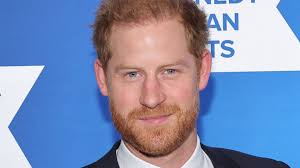
As the Duke of Sussex, Prince Harry’s image has evolved alongside his changing role within the royal institution. Stepping back from senior royal duties did not reduce public interest in his appearance; in fact, it arguably increased it.
Public figures often face added pressure to maintain a youthful and healthy look. For many, visible hair loss becomes part of a broader conversation about aging, confidence, and self-image. Prince Harry’s openness in other areas of mental health has led some to wonder whether he might one day address his hair concerns just as candidly.
The changes observed in Prince Harry’s hair are consistent with male pattern baldness, the most common cause of hair loss in men worldwide. Clinically known as androgenetic alopecia, this condition is driven by genetic sensitivity to dihydrotestosterone (DHT).
Key characteristics include:
Progressive hair thinning at the crown
Development of a visible bald patch
Gradual miniaturization of hair follicles
Long-term, predictable progression
Prince Harry’s pattern fits this model closely, reinforcing the idea that his hair loss follows a natural biological course rather than sudden or external factors.
Modern hair restoration treatment options range from non-surgical therapies to advanced transplant procedures. While many public figures quietly pursue solutions through specialized hair transplant clinics, others choose to embrace hair loss as part of their identity.
To date, there is no confirmed evidence that Prince Harry has undergone any surgical intervention. His appearance suggests acceptance rather than concealment, making his case particularly interesting in a culture where cosmetic enhancement is increasingly normalized.
Comparisons between Prince Harry and his brother prince william are inevitable, especially when it comes to appearance. While both have experienced hair loss, the pattern and progression differ noticeably.
Prince William’s hair loss began earlier and progressed more aggressively, primarily affecting the frontal area and crown. Prince Harry, on the other hand, retained much of his frontal hairline for longer, with loss concentrating around the crown. This difference highlights how male pattern baldness can vary even among close family members.
Such variation is typical in androgenetic alopecia, where genetics influence not only whether hair loss occurs, but also how and where it develops.
One of the most defining features of Prince Harry’s hair loss is crown thinning. Unlike a receding hairline, which is often easier to disguise with styling, thinning at the crown creates a visible bald patch that becomes more noticeable over time.
Crown thinning is a classic sign of male pattern baldness and is frequently the area that draws the most public attention. In Prince Harry’s case, overhead photographs and outdoor lighting have made this area especially prominent.
This pattern explains why discussions around hair restoration treatment often focus on the crown, as it is one of the most challenging areas to address effectively.
A recurring question in media discussions is whether Prince Harry has simply accepted that he has lost his hair, rather than attempting to reverse it. Unlike many public figures, he has never appeared to actively conceal thinning areas or dramatically change his hairstyle.
This approach contrasts with trends seen among celebrities who frequently seek discreet interventions at specialized hair transplant clinics. Prince Harry’s consistent appearance suggests a level of acceptance, positioning him as someone comfortable with visible hair thinning.
In this sense, his image challenges the idea that every public figure must pursue cosmetic correction.
As a prominent member of the royal family, Prince Harry has always been subject to intense visual scrutiny. Historically, royals have tended to age naturally in the public eye, with minimal cosmetic intervention.
This tradition may partly explain why Prince Harry appears unconcerned about visible signs of hair loss. Embracing a natural look aligns with the long-standing royal image of authenticity and restraint, even as modern attitudes toward appearance evolve.
His approach also reflects a broader cultural shift toward normalizing hair loss rather than hiding it.
While there is no indication that Prince Harry has pursued surgical treatment, the topic of hair transplant clinics often arises in speculation. For high-profile individuals, privacy and discretion are critical factors when considering any cosmetic option.
Modern clinics emphasize confidentiality, natural results, and long-term planning. However, choosing to undergo such procedures is a deeply personal decision. Prince Harry’s visible hair loss suggests that, at least so far, he has chosen not to pursue this path.
This decision reinforces the idea that hair restoration is a choice not a necessity.
For many men, hair restoration treatment becomes a consideration when hair loss begins to affect confidence or self-image. Options range from non-surgical therapies to transplantation, each with varying levels of commitment and permanence.
In Prince Harry’s case, his continued public confidence indicates that hair thinning has not negatively impacted his self-perception. This contrasts with individuals who seek treatment early to prevent progression of androgenetic alopecia.
His example demonstrates that managing hair loss is as much a psychological decision as it is a medical one.
Hair loss is often linked to broader conversations about masculinity and aging. Prince Harry’s openness in discussing mental health has positioned him as a figure who values authenticity over perfection.
By appearing publicly with visible crown thinning, he challenges outdated notions that hair defines masculinity. His approach reframes hair loss as a natural life stage rather than a flaw to be corrected.
This perspective resonates with many men experiencing similar changes, reinforcing the idea that confidence does not depend on a full head of hair.
Prince Harry’s evolving appearance reflects a textbook case of male pattern baldness, progressing gradually and predictably over time. The presence of a visible bald patch, consistent crown thinning, and genetic links within his family strongly point to androgenetic alopecia.
There is no evidence to suggest that he has pursued treatment through hair transplant clinics or other surgical options. Instead, his journey illustrates acceptance and normal aging in the public eye.
Ultimately, prince harry s hair has become part of his identity rather than something to conceal. His case offers a powerful counter-narrative in an era dominated by cosmetic solutions showing that embracing hair loss can be just as confident a choice as treating it.
Read more about modern Hair Transplant Antalya techniques and treatment options.


