

Hair transplantation has evolved into a highly refined surgical solution for thinning hair, androgenetic alopecia, and advanced pattern baldness. However, modern hair restoration does not end in the operating room. Increasingly, patients are exploring supportive therapies to enhance healing, improve graft survival, and accelerate visible growth.
One of the most discussed adjunct treatments is red light therapy, also known as low level laser therapy (LLLT) or light therapy LLLT.
But does LLLT truly improve outcomes after a hair transplant?
Can it protect the transplant graft, enhance transplanted hair survival, and promote faster density?
What do clinical studies and clinical trials actually show?
This in-depth guide examines the science, benefits, limitations, safety profile, and practical usage of red light therapy after hair transplantation.
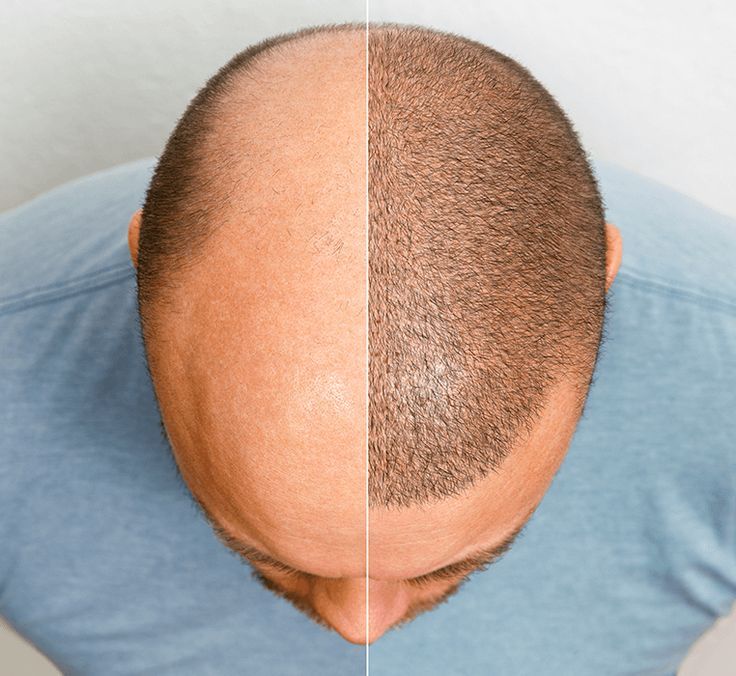
Red light therapy is a non-invasive treatment that uses specific wavelengths of red or near-infrared light to influence biological processes within cells.
In the context of hair restoration, light therapy LLLT works by:
Delivering low-energy light to the scalp
Penetrating superficial skin layers
Interacting with cellular mitochondria
Helping to stimulate cellular activity
This technology is sometimes referred to as:
Low level laser therapy
Cold laser therapy
Photobiomodulation
LED scalp therapy
Devices use either:
Light emitting diodes (LEDs)
Low-energy laser diodes
Both aim to activate biological pathways associated with hair follicle health.
Hair follicles are metabolically active mini-organs that rely on adequate blood flow, oxygen, and cellular energy.
Research suggests that red light therapy:
Increases mitochondrial ATP production
Improves scalp microcirculation
Reduces inflammation
Enhances follicular metabolism
Encourages follicles to shift into growth phase
By targeting mitochondria, LLLT may help follicles become more active, potentially leading to stimulated hair growth.
After a hair transplant, the scalp undergoes a controlled healing process:
Micro-incisions close
Blood supply reestablishes
Grafts anchor into tissue
Inflammation subsides
The first few weeks are critical for graft survival and long-term density.
Proponents of LLLT argue that it may:
Improve graft survival
Accelerate recovery
Enhance blood flow
Support faster visible growth
Improve long-term thickness
But what does science say?
LLLT for Androgenetic Alopecia
Multiple clinical studies have examined LLLT in the treatment of hair loss, particularly in androgenetic alopecia.
Research has shown:
Increased hair density
Improved hair thickness
Higher patient satisfaction
Minimal side effects
Some clinical trials demonstrated statistically significant improvements compared to placebo devices.
However, most research focuses on non-surgical hair thinning — not specifically post-transplant recovery.
Data specifically analyzing red light therapy after hair transplant is more limited but growing.
Early studies suggest that LLLT may:
Reduce post-operative inflammation
Enhance wound healing
Shorten recovery timeline
Support early follicular activity
However, more large-scale controlled trials are needed to establish standardized protocols.
Improved Blood Flow
LLLT may improve microcirculation, helping nutrients and oxygen reach the hair follicles more efficiently.
Better circulation can support:
Early graft stabilization
Stronger transplanted hair shafts
Healthier growth environment
Reduced Inflammation
Post-surgical inflammation can stress follicles.
Red light therapy reduces inflammation, potentially protecting newly implanted grafts during the critical early phase.
Lower inflammation may improve comfort and healing quality.
Stimulating Dormant Follicles
Some research indicates LLLT can help stimulate follicles in early stages of miniaturization.
This may benefit:
Native hair surrounding the transplant
Areas of ongoing thinning hair
Early female pattern hair loss
Supporting surrounding native hair enhances overall cosmetic results.
After a transplant, patients often experience temporary shedding called shock loss.
Because LLLT improves circulation and cellular metabolism, it may reduce the severity of shock loss in some individuals.
However:
It cannot completely prevent shedding
Results vary between individuals
Genetic factors still play a major role
Timing is critical.
Immediately after surgery, grafts are delicate.
Most surgeons recommend:
Avoiding LLLT for the first 10–14 days
Waiting until scabs fully resolve
Starting after initial healing phase
Always consult your surgeon before initiating therapy.
Typical protocols include:
2–3 sessions per week
15–25 minutes per session
Continued use for 3–6 months
Some patients use maintenance sessions long-term.
Consistency is key for optimal outcomes.
Red light therapy devices for hair include:
Laser Caps
Wearable caps containing laser diodes.
LED Helmets
Use light emitting diodes LEDs for broader coverage.
Clinical Panels
Professional office-based systems with higher output.
The most studied wavelengths range between 630–680 nm (red) and 800–850 nm (near-infrared).
These specific wavelengths appear most effective for hair follicle stimulation.
Red light therapy is generally well tolerated.
Possible side effects include:
Mild scalp warmth
Temporary redness
Minor scalp irritation
Rare headache
Unlike high-power lasers, LLLT uses low-energy output and does not burn tissue.
Serious complications are rare when devices are used properly.
LLLT
Non-invasive
Minimal side effects
Gradual results
PRP
Injection-based
Stronger stimulation
More aggressive intervention
Finasteride/Minoxidil
Evidence-based
Target DHT or blood flow
Require consistent long-term use
LLLT works best as part of a comprehensive plan.
Research also supports LLLT for female pattern hair loss.
Women often benefit from:
Increased density
Reduced shedding
Improved hair shaft thickness
Because female pattern thinning differs hormonally, LLLT offers a hormone-neutral approach.
Despite promising results, LLLT has limitations.
It:
Does not create new follicles
Does not reverse advanced baldness
Does not replace surgery
Works best in early-to-moderate cases
Expect realistic improvements — not dramatic transformation.
Hair growth is ongoing and influenced by genetics.
Stopping therapy may gradually reduce benefits.
Many users continue maintenance sessions per week for sustained support.
Red light therapy may:
✔ Support graft healing
✔ Reduce inflammation
✔ Enhance early hair activity
✔ Improve surrounding native hair
✔ Complement overall hair restoration
But it should be viewed as supportive — not essential.
A properly performed transplant remains the foundation of success.
Patients with ongoing androgenetic alopecia
Individuals with fragile native hair
Patients seeking faster visual recovery
Those who prefer non-pharmaceutical support
Does red light therapy improve hair transplant results?
Evidence suggests it can enhance healing, improve follicular metabolism, and potentially support stimulated hair growth. While it is not a miracle cure, it is a safe and promising adjunct in modern treatment of hair loss strategies.
For patients seeking optimized outcomes, combining:
High-quality surgical technique
Proper post-operative care
Lifestyle management
And possibly LLLT
May provide the most comprehensive results.
LLLT uses specific wavelengths to stimulate cellular activity
It reduces inflammation and supports circulation
Clinical studies show positive effects in androgenetic alopecia
It may enhance post-transplant healing
Side effects are minimal
Best used 2–3 sessions per week
Works best as part of a full hair restoration plan
Hair restoration is no longer limited to surgery alone. Modern science offers multiple tools — and red light therapy is one of the most promising complementary options.


