

Hair loss is something that affects millions of men across the world, regardless of status, profession, or lifestyle. Even globally recognized actors are not immune to the gradual changes that come with time. Among the many public figures whose appearance has evolved over the years, one name that often sparks curiosity is Sean Penn.
Known for his intense performances and strong on-screen presence, Sean Penn has remained a prominent figure in Hollywood for decades. Alongside his career, however, fans and media have also observed subtle changes in his appearance — particularly when it comes to his hair.
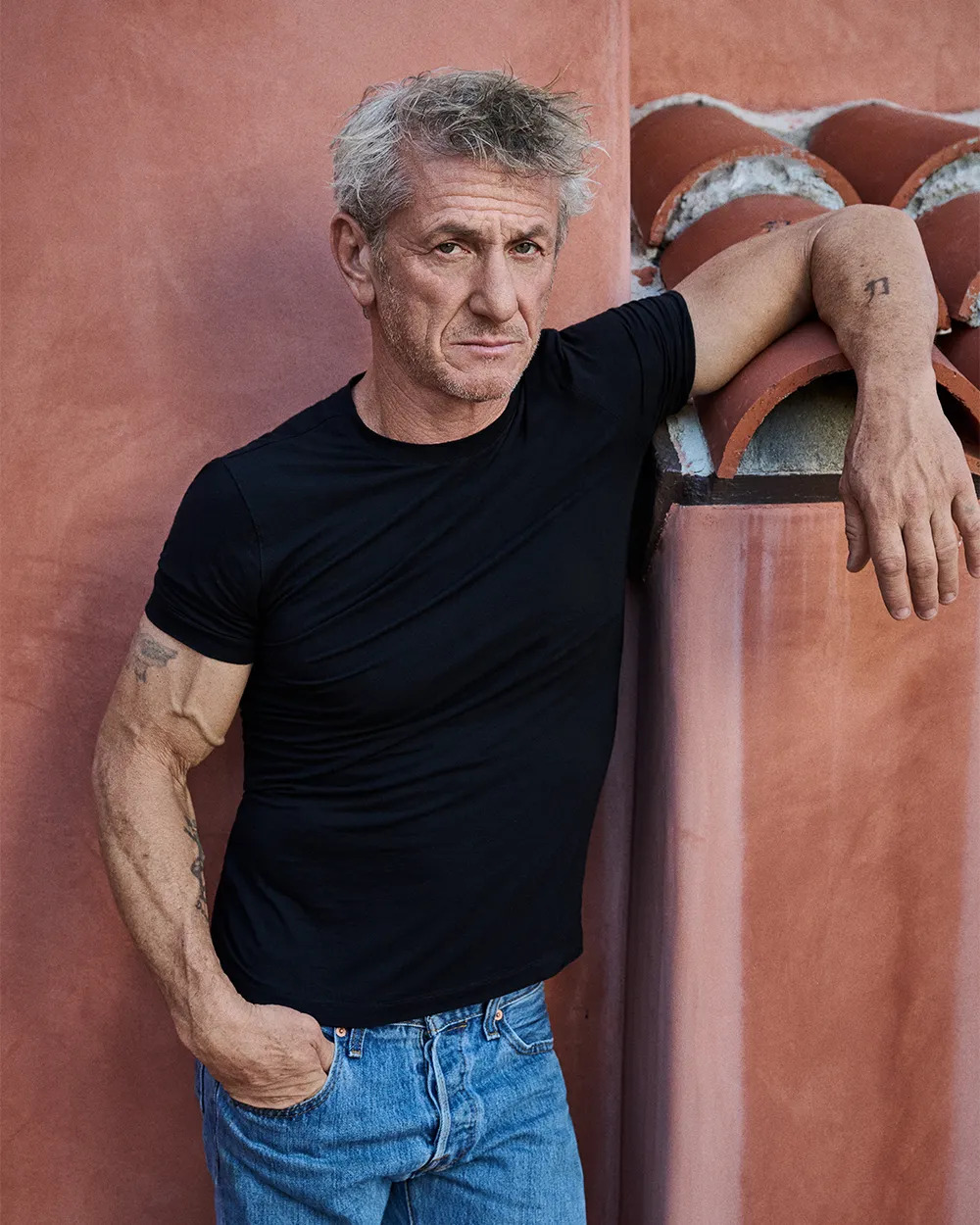
Discussions around Sean Penn’s hair have grown over time, with many speculating about a possible hair transplant procedure. While there has been no official confirmation, the visible transformation has led to ongoing conversations about celebrity hair transplants, modern techniques, and how individuals deal with hair loss in the public eye.
This article explores those changes, the science behind hair restoration, and what we can learn from such transformations.
Before focusing on Sean Penn specifically, it’s important to understand the broader context.
Hair loss is a natural process that affects a large percentage of men. The most common form, androgenetic alopecia, typically results in:
A receding hairline
Thinning at the crown
Gradual loss of density
These changes can begin early or later in life, depending on genetics and lifestyle factors.
For actors like Sean Penn, whose careers span decades, these changes become more visible simply because audiences are used to seeing them over long periods of time.
Looking back at earlier films and public appearances, Sean Penn was known for having a dense, natural head of hair. In his younger years, his hairline was strong, with no visible signs of thinning.
However, as time progressed, observers began to notice:
A slightly receding hairline
Reduced density in certain areas
A more mature hair pattern
These changes are completely normal and expected with age.
What makes Sean Penn’s case interesting is that, at various points, his hair appeared fuller again — leading to speculation about penn s hair transplantation.
The idea of celebrity hair transplants is no longer surprising.
In fact, many public figures have openly or discreetly undergone procedures to maintain their appearance. The reason is simple:
High visibility
Constant media exposure
Long-term career presence
Hair plays a significant role in how someone is perceived on screen and in public.
For actors, maintaining a consistent look can even impact casting opportunities. This is why many turn to hair restoration as a long-term solution.
There is no official statement confirming that Sean Penn has undergone a hair transplant surgery. However, visual comparisons over time have led to widespread speculation.
At certain stages, his hair appears:
Fuller in the frontal region
More defined along the hairline
Better balanced overall
These are characteristics often associated with modern hair transplant procedure outcomes.
That said, it’s important to approach such discussions carefully. Changes in appearance can also result from:
Styling techniques
Lighting and camera angles
Hair products
Natural variation over time
Even so, the conversation itself highlights how normalized hair restoration has become.
To understand the speculation, it helps to look at what a hair transplant surgery involves.
This procedure focuses on relocating healthy hair follicles from a donor area — typically the back or sides of the scalp — to areas affected by hair loss.
The most widely used technique today is FUE (Follicular Unit Extraction).
The process includes:
Assessment and planning
Determining hairline shape and graft numbers
Extraction
Removing individual follicles from the donor area
Implantation
Placing follicles into thinning or bald areas
Recovery and hair growth
New hair begins growing over time
The goal is to achieve a natural, undetectable result.
One of the earliest indicators of hair loss is a receding hairline.
This was something observers noted in Sean Penn’s appearance over time.
A receding hairline can:
Change facial proportions
Make a person appear older
Affect overall aesthetic balance
Addressing this area is often a primary focus during a hair transplant procedure.
Restoring the hairline can dramatically improve how natural and youthful a person looks.
A key aspect of hair restoration is understanding how hair growth works after the procedure.
The process is gradual and requires patience.
Typical timeline:
First few weeks: Shedding of transplanted hairs (shock loss)
3–4 months: Initial regrowth begins
6 months: Noticeable improvement
12 months: Final results
This slow progression is why transformations often appear subtle and natural.
If Sean Penn did undergo penn s hair transplantation, the gradual improvement would align with what people have observed.
A successful transplant depends heavily on the donor area.
This region contains hair that is genetically resistant to hair loss.
Key factors include:
Density of donor hair
Hair thickness
Overall scalp health
A strong donor area allows for better coverage and more natural results.
This is one reason why not every individual is an ideal candidate for hair transplant surgery.
When dealing with hair loss, people often explore various options:
Medications
Topical treatments
Hair fibers
Wigs or systems
While these can provide temporary improvements, they are not permanent solutions.
Hair transplantation, on the other hand, offers long-lasting results.
Once the transplanted hair begins growing, it behaves like natural hair — growing, shedding, and regenerating over time.
This is why many celebrities choose hair restoration over short-term alternatives.
One of the biggest fears people have is ending up with unnatural-looking hair.
Modern techniques have significantly improved outcomes.
A successful procedure ensures:
Natural hairline design
Correct hair direction and angle
Even density distribution
This is what people often notice in transformations like Sean Penn’s hair — a look that doesn’t appear artificial or exaggerated.
Instead, it blends seamlessly with the individual’s natural features.
Hair is closely tied to identity.
Losing it can affect how a person feels about themselves.
Many individuals experience:
Reduced confidence
Increased self-awareness
Avoidance of certain social situations
Undergoing a hair transplant procedure can reverse these effects.
It’s not just about appearance — it’s about regaining comfort and confidence.
In the past, discussing hair transplants was often avoided.
Today, attitudes have changed.
Celebrity hair transplants have helped normalize the conversation.
People now view hair restoration as:
A common medical procedure
A personal choice
A practical solution
This shift has made it easier for individuals to explore options without stigma.
Whether or not Sean Penn officially underwent hair transplant surgery, his evolving appearance reflects a broader reality.
Hair loss is natural.
Seeking solutions is also natural.
His case represents:
The visibility of aging in public life
The increasing acceptance of hair restoration
The importance of subtle, natural results
It also highlights how modern procedures can enhance appearance without dramatically altering identity.
While effective, hair transplantation is not suitable for everyone.
Factors to consider include:
Extent of hair loss
Donor area availability
Age and future hair loss pattern
Overall health
A proper evaluation is essential before deciding on a hair transplant procedure.
At its core, the discussion around Sean Penn’s hair is not just about appearance.
It’s about how people adapt to change.
It’s about confidence, identity, and the choices individuals make to feel comfortable in their own skin.
Hair loss may be inevitable for many, but solutions like hair restoration provide a way forward.
The conversation around penn s hair transplantation reflects a larger trend in today’s world.
More people — including public figures — are choosing to address hair loss through modern, effective methods.
Whether confirmed or not, the visible changes in Sean Penn’s appearance have contributed to a broader understanding of what is possible.
With advancements in hair transplant surgery, achieving a natural, full head of hair is no longer out of reach.
For many, it’s not just about aesthetics.
It’s about confidence, presence, and feeling like themselves again.


