

Seborrheic dermatitis is one of the most common inflammatory skin conditions that affects the scalp, yet many people underestimate its impact on overall scalp health and hair density. Patients frequently ask whether this condition can lead to hair loss, whether the damage is permanent, and what treatment options are available.
In this comprehensive medical review, we will explore the causes, symptoms, relationship between seborrheic dermatitis and hair shedding, and evidence-based approaches for long term scalp care and regrowth.
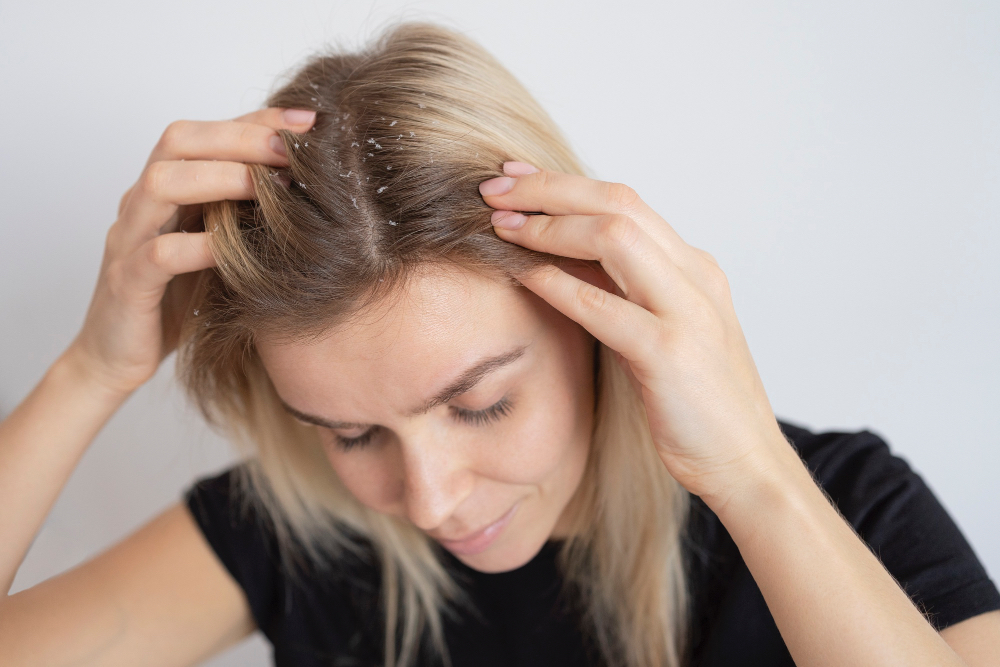
Seborrheic dermatitis, sometimes referred to as seborrheic eczema, is a chronic inflammatory skin disorder that commonly affects oily areas of the body, particularly the scalp, face, and chest.
It is characterized by:
Red, inflamed skin
Greasy or flaky patches
Persistent dandruff
Itching
Scalp irritation
In infants, it appears as cradle cap, a mild form of the condition that typically resolves with time.
In adults, seborrheic dermatitis often becomes a recurring, long term condition requiring ongoing scalp care.
The exact cause remains multifactorial, but several contributing factors are well established.
Malassezia Yeast Overgrowth
One of the primary factors is the presence of malassezia yeast, a naturally occurring microorganism on human skin. In some individuals, overgrowth of this yeast triggers inflammation.
Malassezia thrives in areas with high oil production, which explains why seborrheic dermatitis commonly affects the scalp.
Excess Oil Production
Overactive sebaceous glands increase oil production, creating an environment where fungal organisms can proliferate.
This imbalance contributes to:
Flaking
Redness
Itching
Irritation
Immune System Response
Seborrheic dermatitis is not simply a fungal infection. Rather, it is an inflammatory reaction to malassezia and skin lipids.
An exaggerated immune response leads to:
Inflammation
Increased cell turnover
Scaling
The symptoms of seborrheic dermatitis vary in severity but commonly include:
Yellowish or white flakes
Red patches
Greasy scalp
Itching
Burning sensation
Irritation that worsens during stress
In severe cases, scratching and inflammation may damage the surrounding skin and hair shafts.
One of the most common concerns is whether seborrheic dermatitis can lead to hair loss.
The short answer: Yes — but usually temporarily.
Here’s how.
Inflammation Around Hair Follicles
Chronic inflammation can irritate hair follicles, disrupting their normal growth cycle.
When follicles become inflamed:
Growth phase shortens
Shedding increases
Hair becomes thinner
Excessive Scratching
Persistent itching causes mechanical trauma. Repeated scratching may weaken hair shafts and increase shedding.
Severe Flare-Ups
During intense flare episodes, heavy scaling can block follicles temporarily, interfering with healthy hair growth.
However, permanent damage is rare unless inflammation is left untreated for extended periods.
Although seborrheic dermatitis involves malassezia yeast, it is not a classic fungal infection like ringworm.
Antifungal agents help control yeast levels but the primary issue is inflammation.
Diagnosis is usually clinical.
A dermatologist evaluates:
Distribution pattern
Flake appearance
Redness
Patient history
Rarely, a biopsy may be performed to rule out psoriasis or other scalp disorders.
There is no permanent cure, but effective treatment options exist to control symptoms and prevent recurrence.
The first line of treatment includes medicated shampoos designed to control inflammation and yeast overgrowth.
Common active ingredients include:
Selenium Sulfide
Selenium sulfide reduces malassezia levels and slows skin cell turnover.
Zinc Pyrithione
Zinc pyrithione has antifungal and antibacterial properties. It is commonly found in therapeutic dandruff shampoos.
Salicylic Acid
Salicylic acid helps exfoliate thick scales and reduce buildup on the scalp.
These ingredients are widely used in prescription and over-the-counter dandruff shampoos.
In moderate cases, doctors may prescribe antifungal creams or shampoos to control malassezia yeast.
For facial involvement or resistant cases, calcineurin inhibitors may be prescribed. These topical medications reduce inflammation without the side effects associated with long-term steroid use.
Short-term use of topical steroids may reduce severe inflammation. However, prolonged use is not recommended due to potential skin thinning.
Because seborrheic dermatitis is a chronic condition, long term management is key.
Prevent Flare Episodes By:
Using medicated shampoos regularly
Rotating antifungal products
Managing stress
Avoiding harsh hair products
Maintaining consistent scalp hygiene
Proactive scalp care reduces recurrence frequency.
In most cases, yes.
When inflammation is controlled:
Hair follicles recover
Normal growth cycle resumes
Shedding decreases
However, regrowth depends on how long inflammation persisted.
If seborrheic dermatitis was mild and treated early, full recovery is common.
Conditions that resemble seborrheic dermatitis include:
Psoriasis
Contact dermatitis
Tinea capitis (true fungal infection)
Proper diagnosis ensures appropriate treatment.
Permanent hair loss is rare.
However, if severe inflammation persists untreated for years, follicle damage may occur.
Early intervention prevents complications.
For active flare:
2–3 times per week
For maintenance:
Once weekly
Overuse may dry the scalp, so balance is important.
Some individuals try:
Tea tree oil
Apple cider vinegar
Aloe vera
While mild relief is possible, these do not replace medical-grade treatments.
Cradle cap is the infant form of seborrheic dermatitis.
It:
Appears as thick yellow scales
Usually resolves naturally
Rarely causes hair loss
Gentle washing and baby-safe shampoos are sufficient in most cases.
Chronic visible flakes and shedding can cause stress and embarrassment.
Stress, in turn, can worsen seborrheic eczema.
Breaking this cycle through effective treatment improves both scalp health and emotional well-being.
Seek medical evaluation if:
Hair shedding is severe
Symptoms worsen despite OTC treatments
Infection signs appear
Flare episodes become frequent
Professional guidance ensures appropriate treatment options.
Seborrheic dermatitis is a chronic inflammatory condition that:
Affects the scalp
Is associated with malassezia yeast
Involves excess oil production
May lead to hair loss temporarily
Requires consistent long term management
With proper use of medicated shampoos, ingredients like selenium sulfide, salicylic acid, and zinc pyrithione, along with advanced therapies such as calcineurin inhibitors when necessary, most patients can successfully control symptoms.
Consistent scalp care helps prevent flare episodes and protects hair follicles from inflammatory damage.
Hair regrowth is typically possible once inflammation subsides.


