

Hair loss is something that doesn’t discriminate. Whether you’re an everyday individual or a professional athlete constantly under the spotlight, the experience can be equally challenging. For many public figures, appearance is not just personal — it becomes part of their identity.
This is why discussions around the hair transplant journey of well-known personalities have gained so much attention in recent years.
Among those names, one that frequently comes up is Harshal Patel, a recognized Indian cricketer known for his performances on the field and his calm, focused presence. Like many men, he has also faced visible hair loss, which sparked curiosity and speculation among fans.
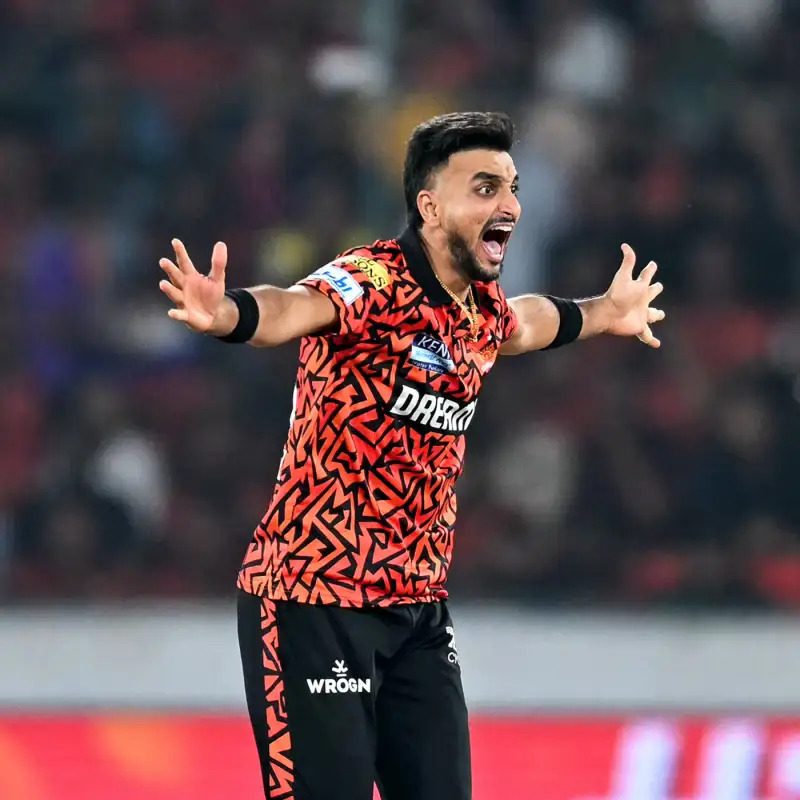
While there has been no official public confirmation detailing every step, the noticeable transformation in his appearance has led many to believe that he may have undergone a hair transplant procedure — a decision that reflects a broader global trend.
This article explores that journey, the realities behind hair transplantation, and why more individuals — athletes included — are choosing this path to regain his hair and confidence.
Before diving into the story, it’s important to understand the root of the issue.
Hair loss affects millions of men worldwide. It can start as early as the early twenties and gradually progress over time. For athletes like Harshal Patel, constant exposure, media attention, and high-definition cameras can make even minor changes more noticeable.
The most common cause is androgenetic alopecia, also known as male pattern baldness. It typically begins with:
Receding hairline
Thinning crown
Overall density reduction
For someone in the public eye, these changes can become a topic of discussion — sometimes even overshadowing professional achievements.
As an Indian cricketer, Harshal Patel has built a strong reputation through discipline, performance, and consistency. His journey in cricket reflects years of dedication, training, and mental resilience.
However, like many athletes, his appearance has also been under constant scrutiny.
Fans often notice subtle changes — especially when comparing images across seasons. Over time, discussions about his hairline began circulating online. Observers pointed out signs of hair loss, particularly around the frontal region.
This is not unusual.
Many athletes experience similar changes due to:
Stress and travel schedules
Physical strain
Genetic predisposition
Environmental factors
Despite these challenges, the focus always remains on performance. But appearance still plays a role in self-confidence.
At some point, fans began noticing a shift.
Photos and match footage seemed to show a fuller hairline, improved density, and a more structured look overall. This sparked conversations about whether Harshal Patel had undergone a hair transplant procedure.
While no detailed statement confirms the exact process, the transformation aligns closely with results typically achieved through modern hair transplantation techniques.
These include:
Restored hairline definition
Increased density in previously thinning areas
Natural blending with existing hair
Such results are rarely achievable through temporary treatments alone, which is why many believe a transplant may have been involved.
To understand the transformation, it helps to break down what a hair transplant procedure actually involves.
Hair transplantation is a medical process where healthy hair follicles are taken from a donor area — usually the back of the scalp — and implanted into areas affected by hair loss.
The most commonly used technique today is FUE (Follicular Unit Extraction).
Key steps include:
Consultation and planning
Hairline design and graft calculation
Extraction phase
Individual follicles are carefully removed
Implantation phase
Grafts are placed into targeted areas
Recovery and growth
New hair begins to grow over several months
The goal is always to achieve natural-looking results that are permanent and consistent.
For someone like Harshal Patel, the decision to undergo a hair transplant journey — if confirmed — would not be surprising.
Athletes today are more conscious than ever about their appearance. This is not just about vanity; it’s about presence, branding, and confidence.
Reasons include:
Constant media exposure
Sponsorship and endorsements
Personal confidence on and off the field
Long career visibility
Hair plays a significant role in overall appearance. When it begins to thin, it can affect how a person feels — even if performance remains unchanged.
Choosing to regain his hair can be seen as a proactive step rather than a reactive one.
Hair loss is often underestimated.
While it may seem like a purely physical change, the psychological effects can be significant.
Many individuals report:
Decreased self-confidence
Increased self-consciousness
Avoidance of cameras or social situations
Constant comparison with past appearance
For public figures, this impact can be amplified.
A successful hair transplant procedure doesn’t just restore hair — it restores confidence.
One of the biggest concerns people have is whether the results will look natural.
Modern techniques have made significant progress in this area.
A well-executed transplant ensures:
Natural hairline design
Proper angle and direction of hair growth
Even density distribution
Seamless integration with existing hair
This is likely what people noticed in Harshal Patel’s case — a transformation that doesn’t look artificial or exaggerated.
Instead, it appears subtle, balanced, and natural.
The Hair Transplant Journey: What It Really Looks Like
A typical hair transplant journey is not instant.
It requires patience and proper care.
Timeline:
First week:
Mild redness and scabbing
First month:
Shock loss phase (temporary shedding)
3–4 months:
Initial growth begins
6 months:
Visible improvement
9–12 months:
Final results
This gradual transformation is why many people don’t immediately realize a procedure has been done.
The change happens naturally over time.
When people choose to regain his hair, they are often regaining more than just physical appearance.
They are reclaiming:
Confidence
Comfort in social settings
Willingness to be seen and photographed
Personal satisfaction
For an athlete like Harshal Patel, this can translate into an even stronger presence — both on and off the field.
Celebrities and athletes play a huge role in normalizing hair transplantation.
When fans see transformations, it removes stigma.
Hair transplants are no longer seen as something to hide. Instead, they are viewed as:
A smart, long-term solution
A common medical procedure
A confidence-enhancing decision
The discussion around hair loss has shifted from embarrassment to acceptance.
While the results can be impressive, it’s important to understand that not everyone is an immediate candidate.
Factors include:
Donor area quality
Extent of hair loss
Age and progression pattern
Overall health
A proper consultation is essential before starting any hair transplant procedure.
Whether officially confirmed or not, the visible transformation of Harshal Patel highlights an important reality:
Hair loss is common, and solutions exist.
The rise of advanced techniques has made it possible for individuals — including high-profile athletes — to restore their hair in a natural and effective way.
The hair transplant journey is no longer something unusual. It has become a widely accepted path for those who want to take control of their appearance.
For many, it’s not just about looking better.
It’s about feeling like themselves again.
At the end of the day, a hair transplant procedure is not just about hair.
It’s about confidence.
It’s about walking into a room without thinking about your appearance. It’s about focusing on your goals, your work, and your life — without distraction.
For individuals like Harshal Patel, and millions of others around the world, the decision to address hair loss is a personal one.
But when done correctly, it can be life-changing.


