













































 +90 552 223 01 32
Antalya Hair Transplant, Hair Transplant Center
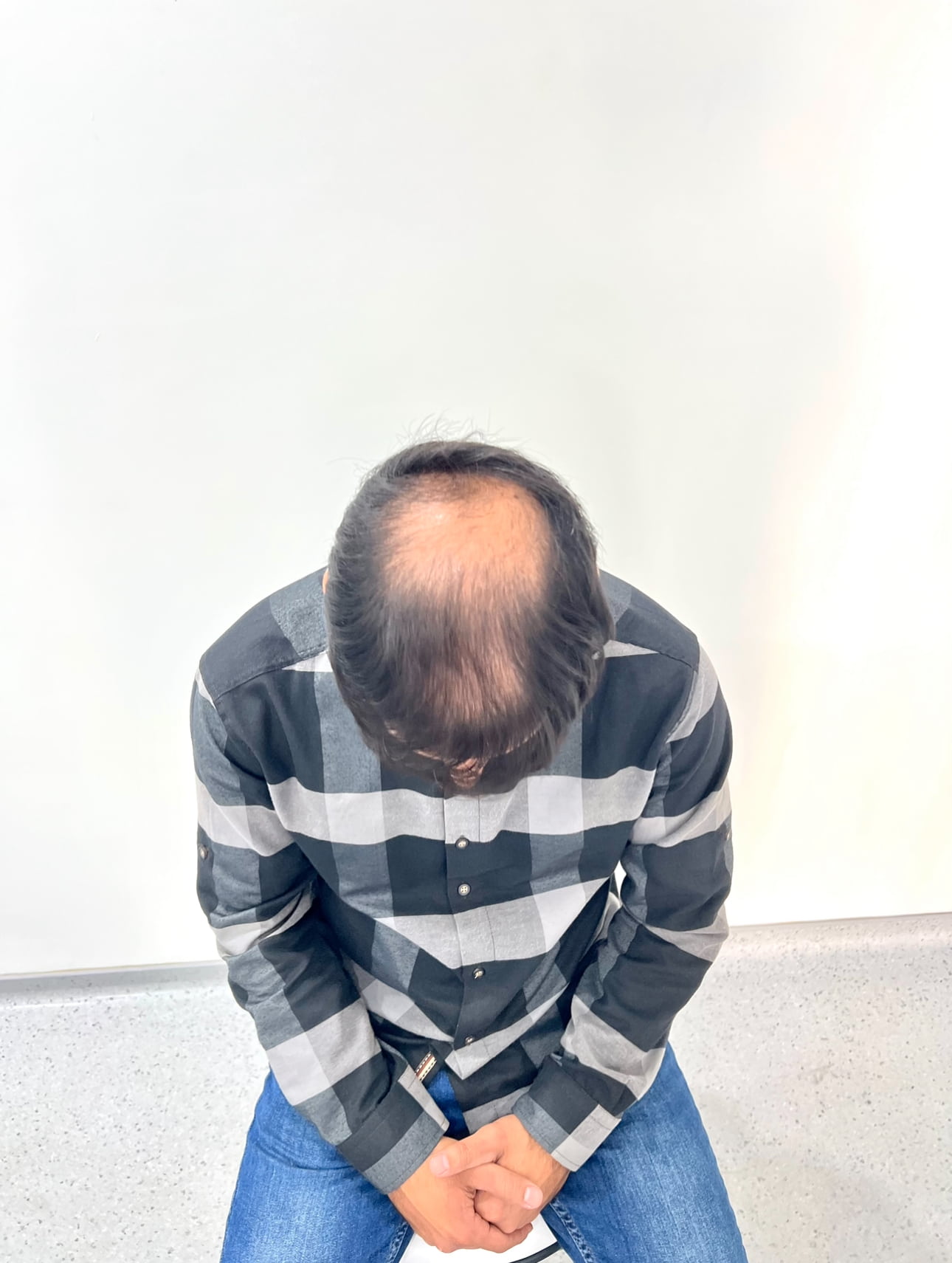
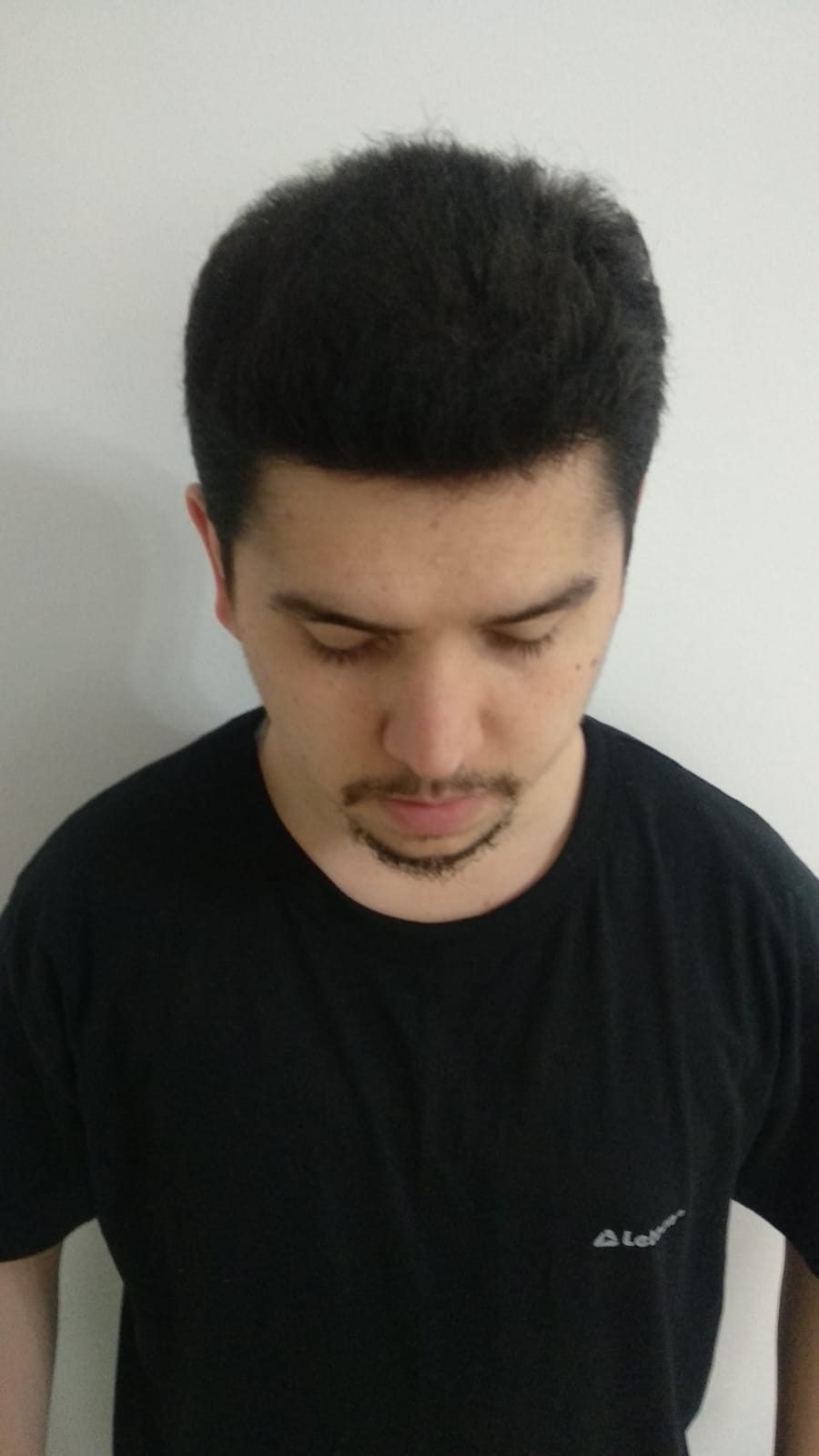
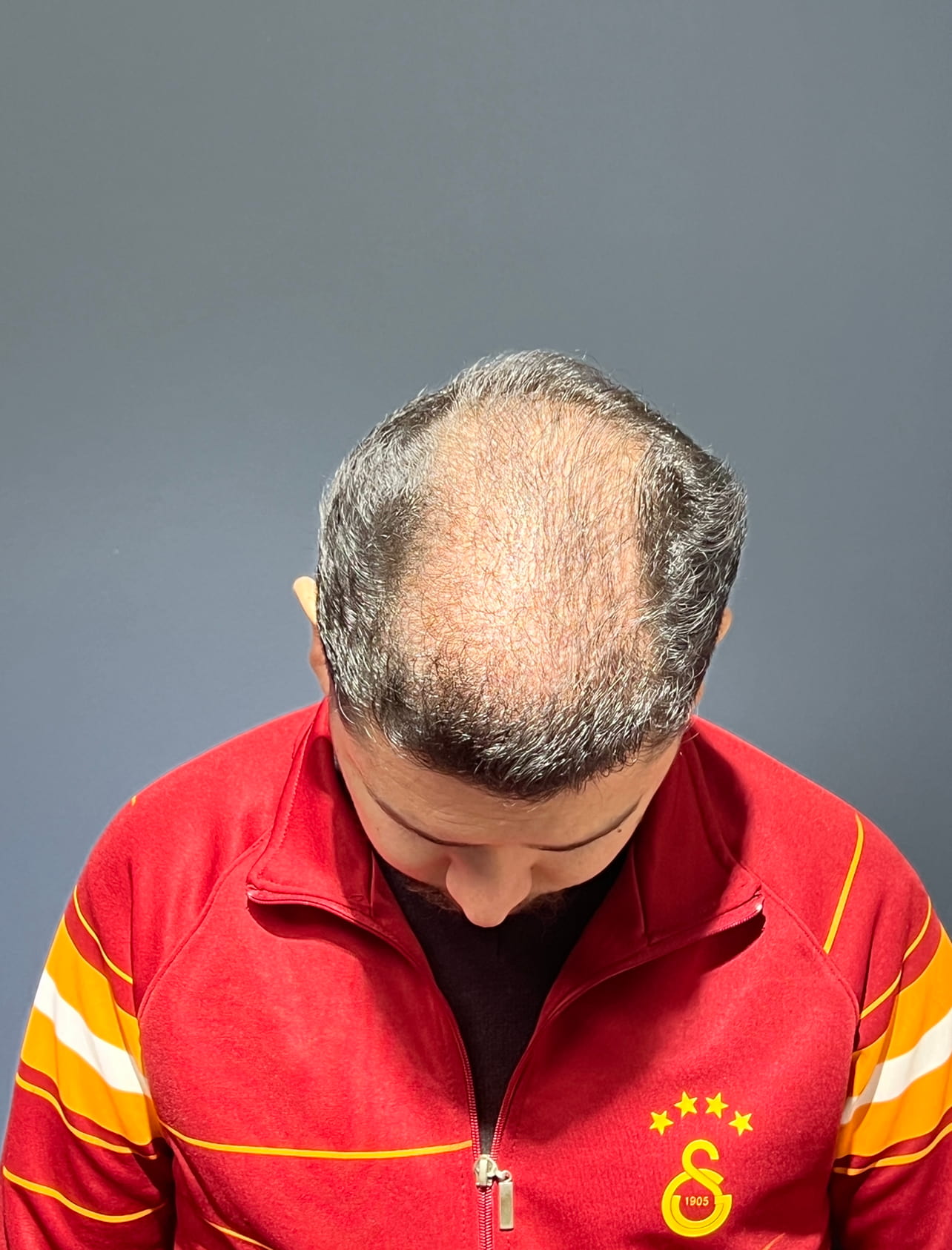
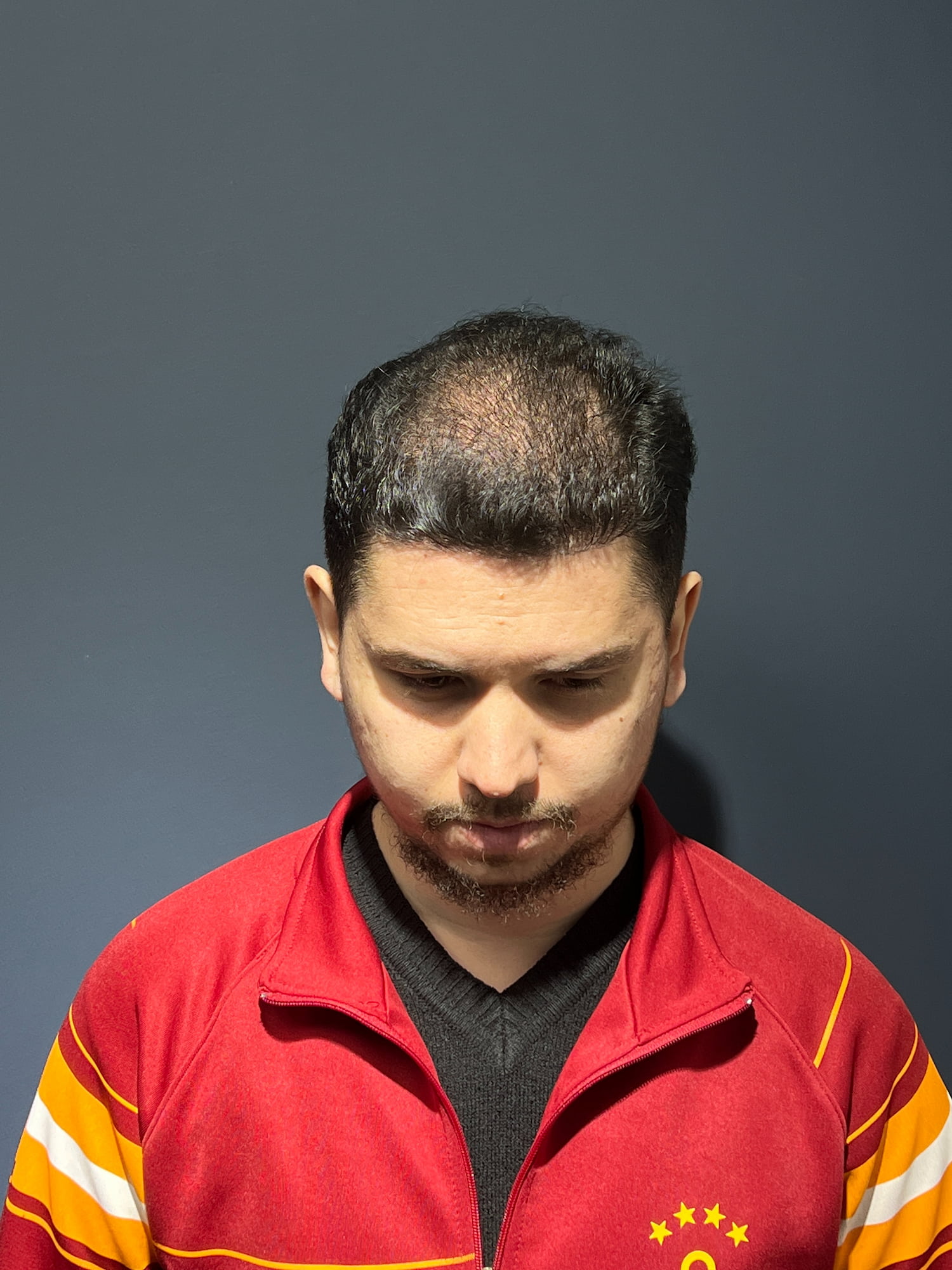
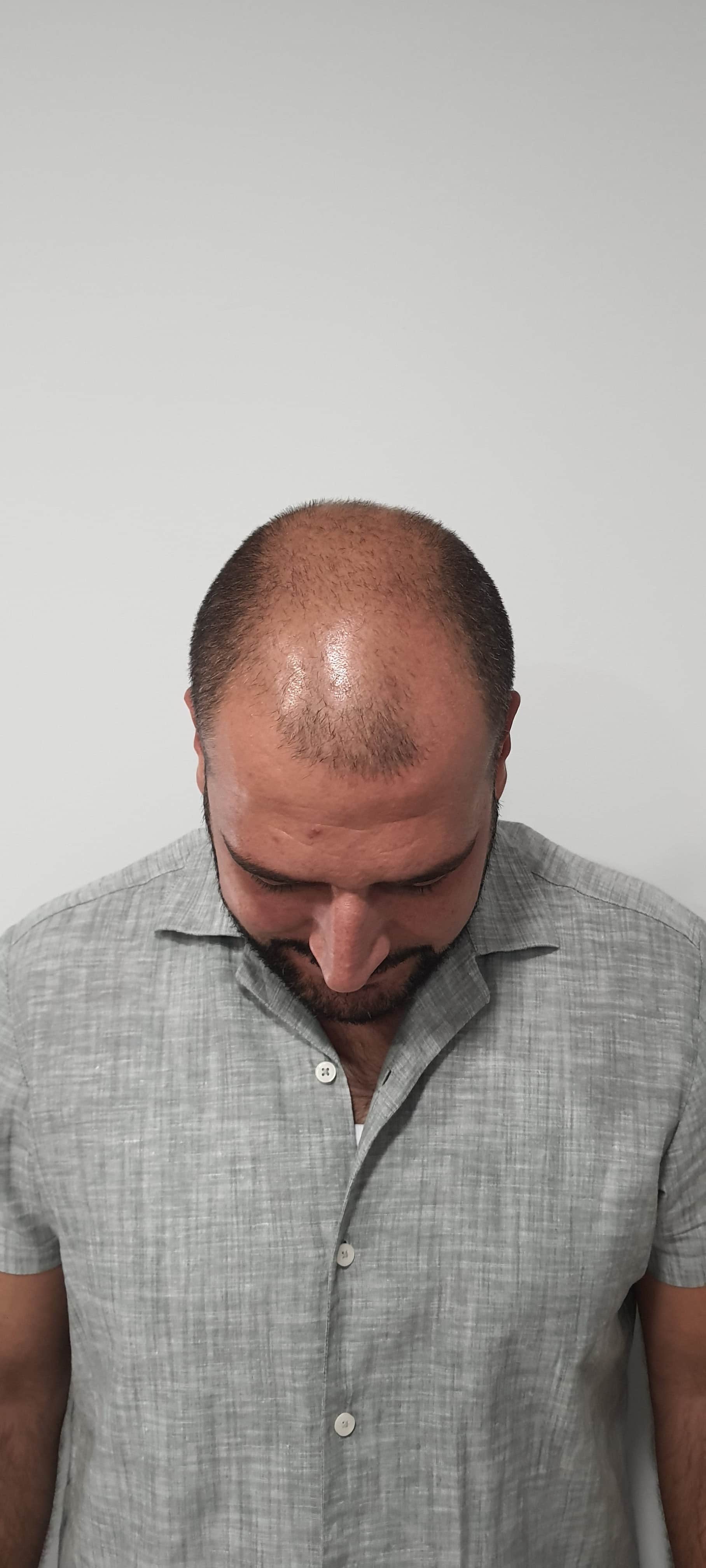
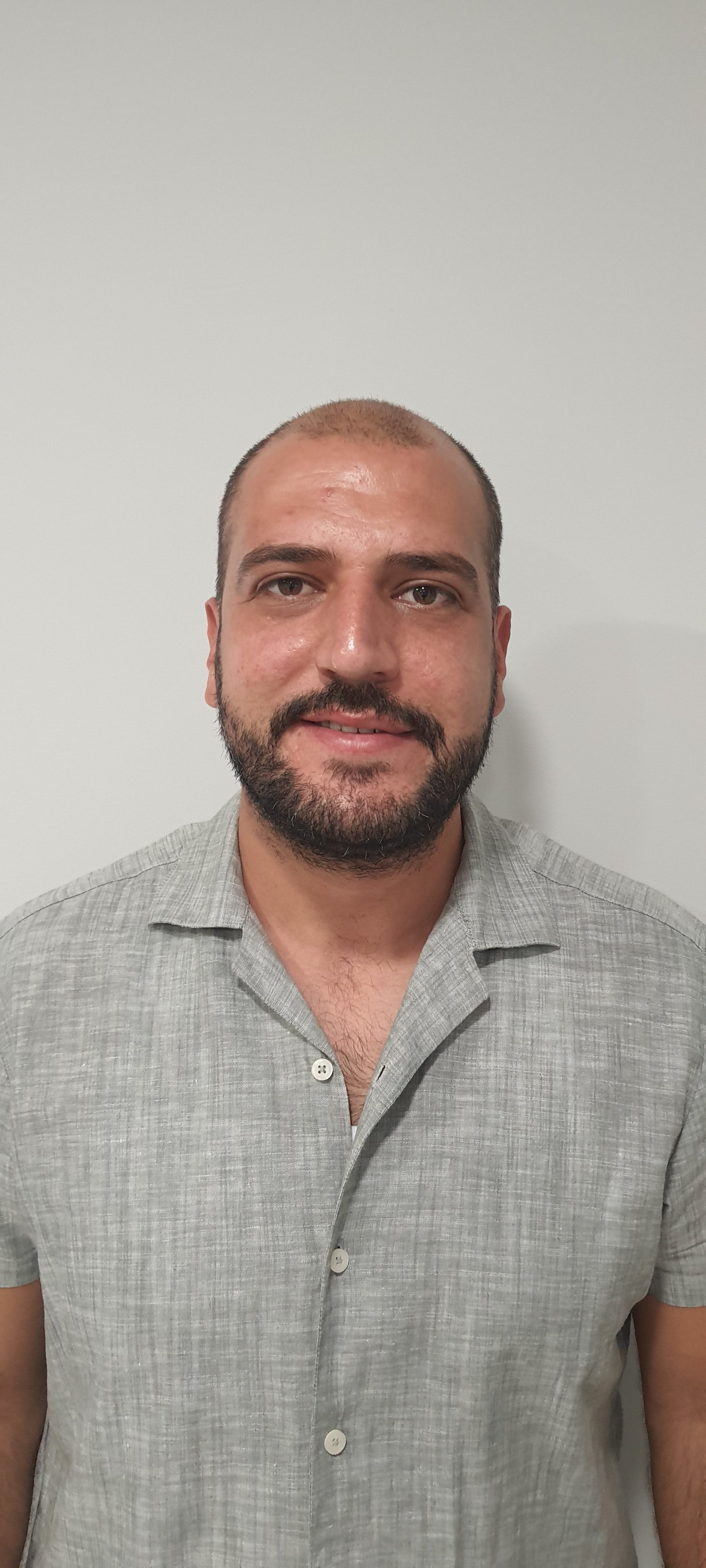
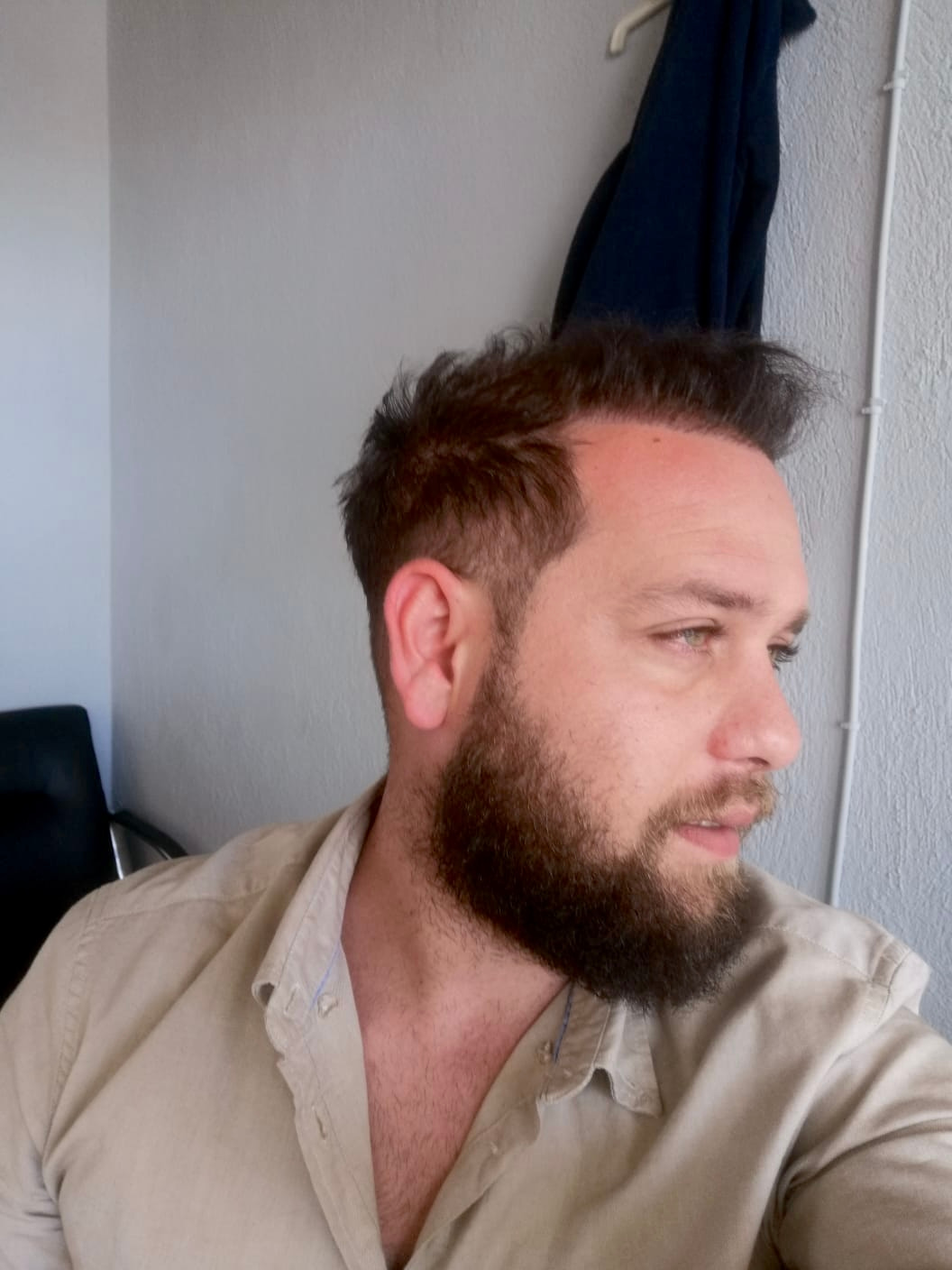
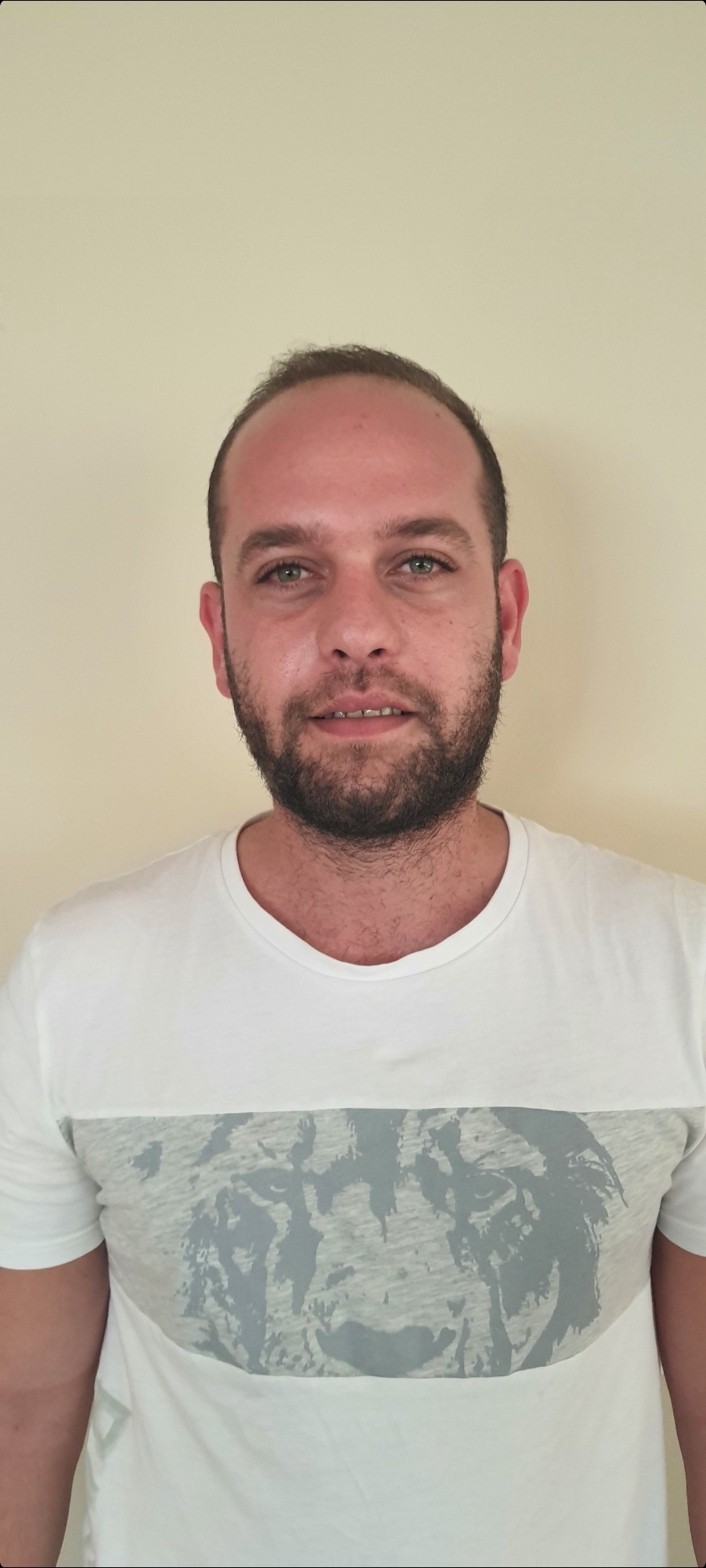
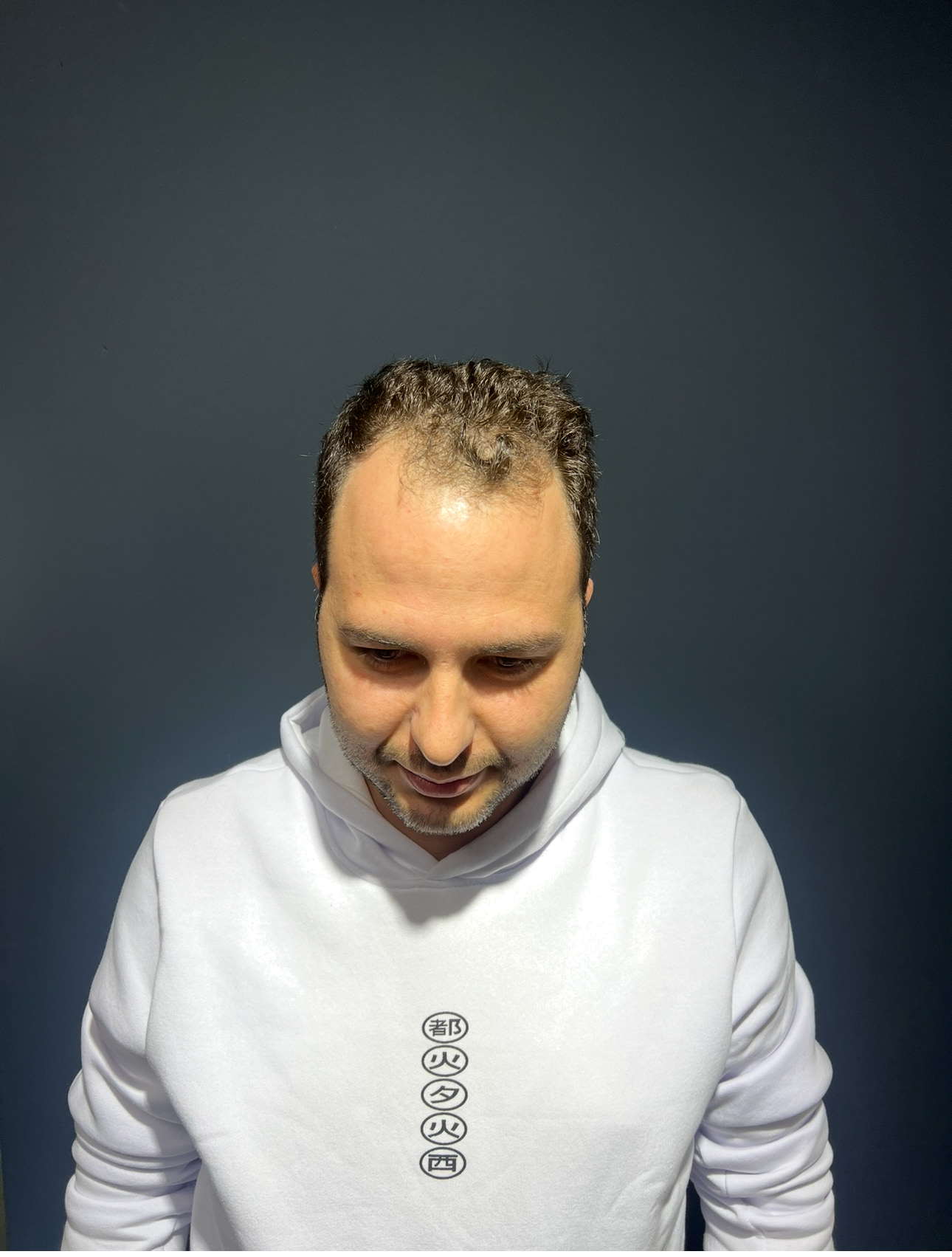
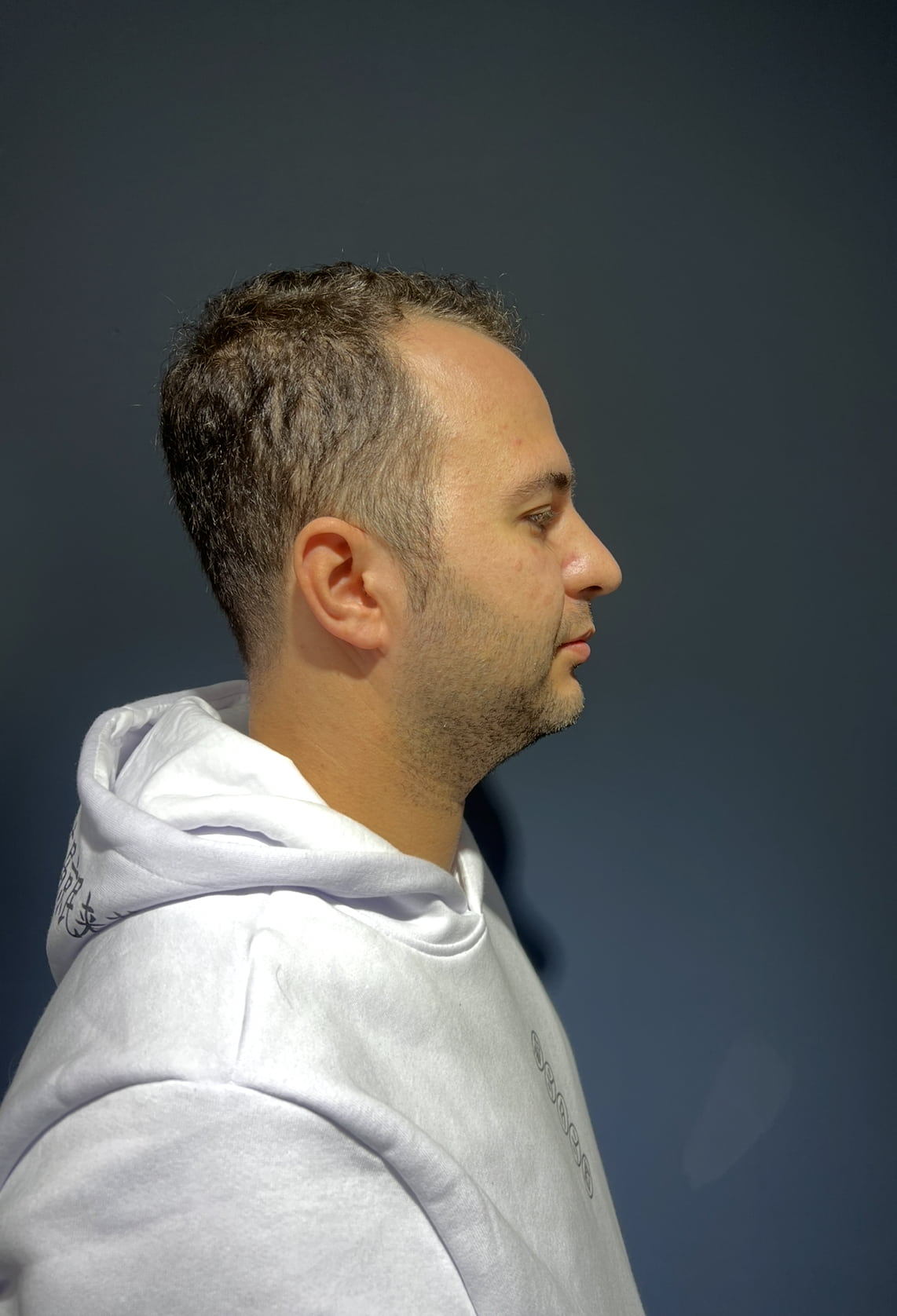
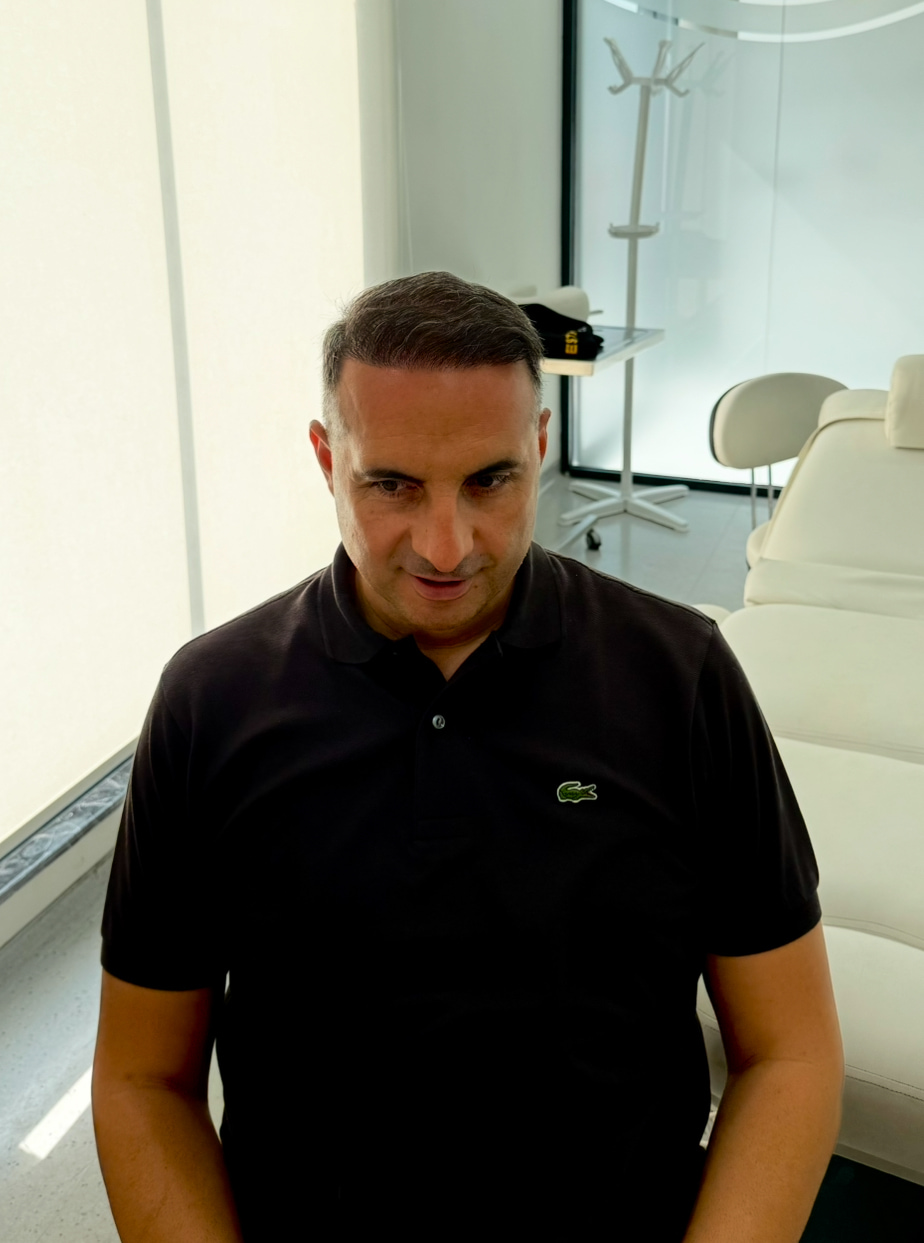
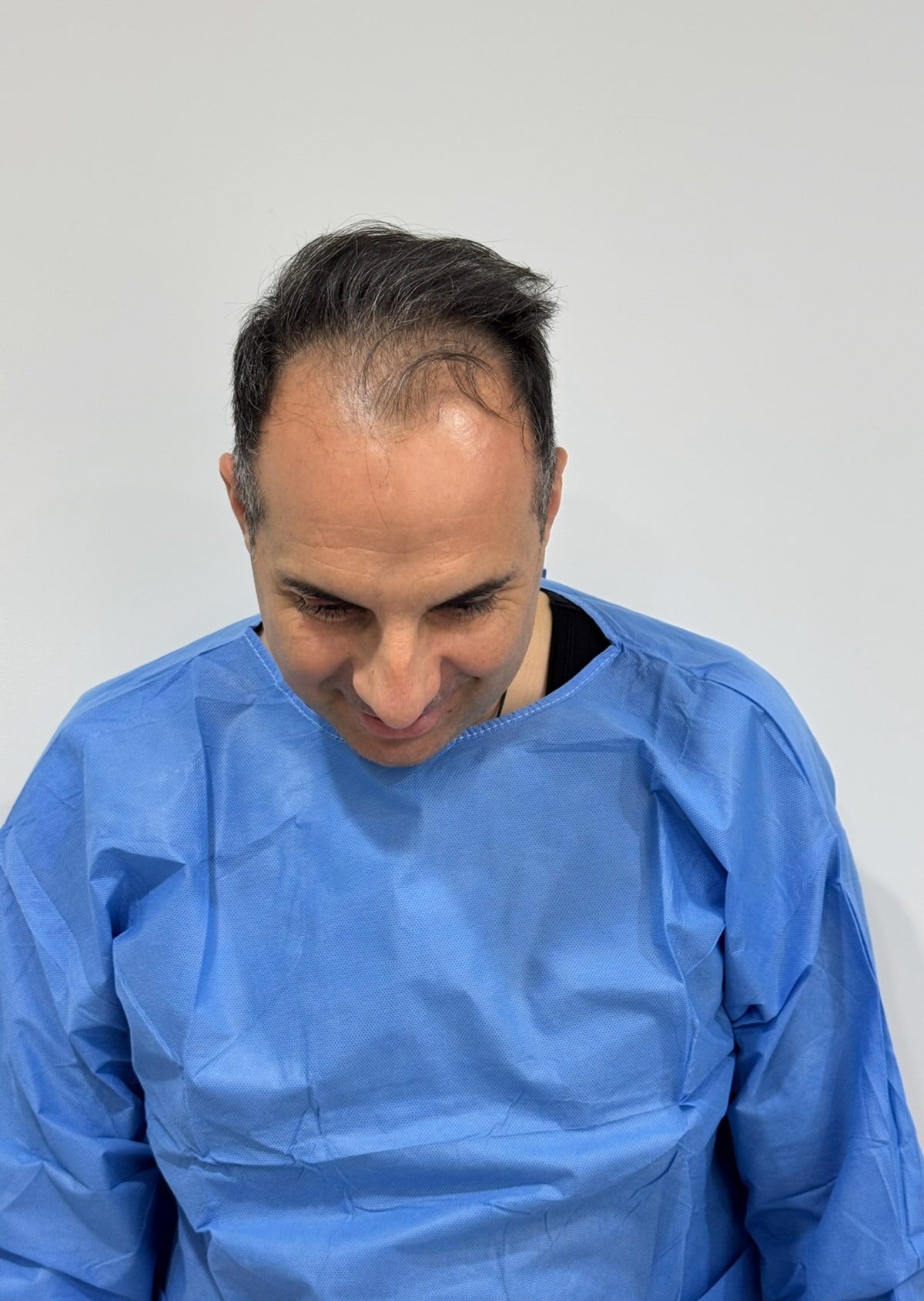
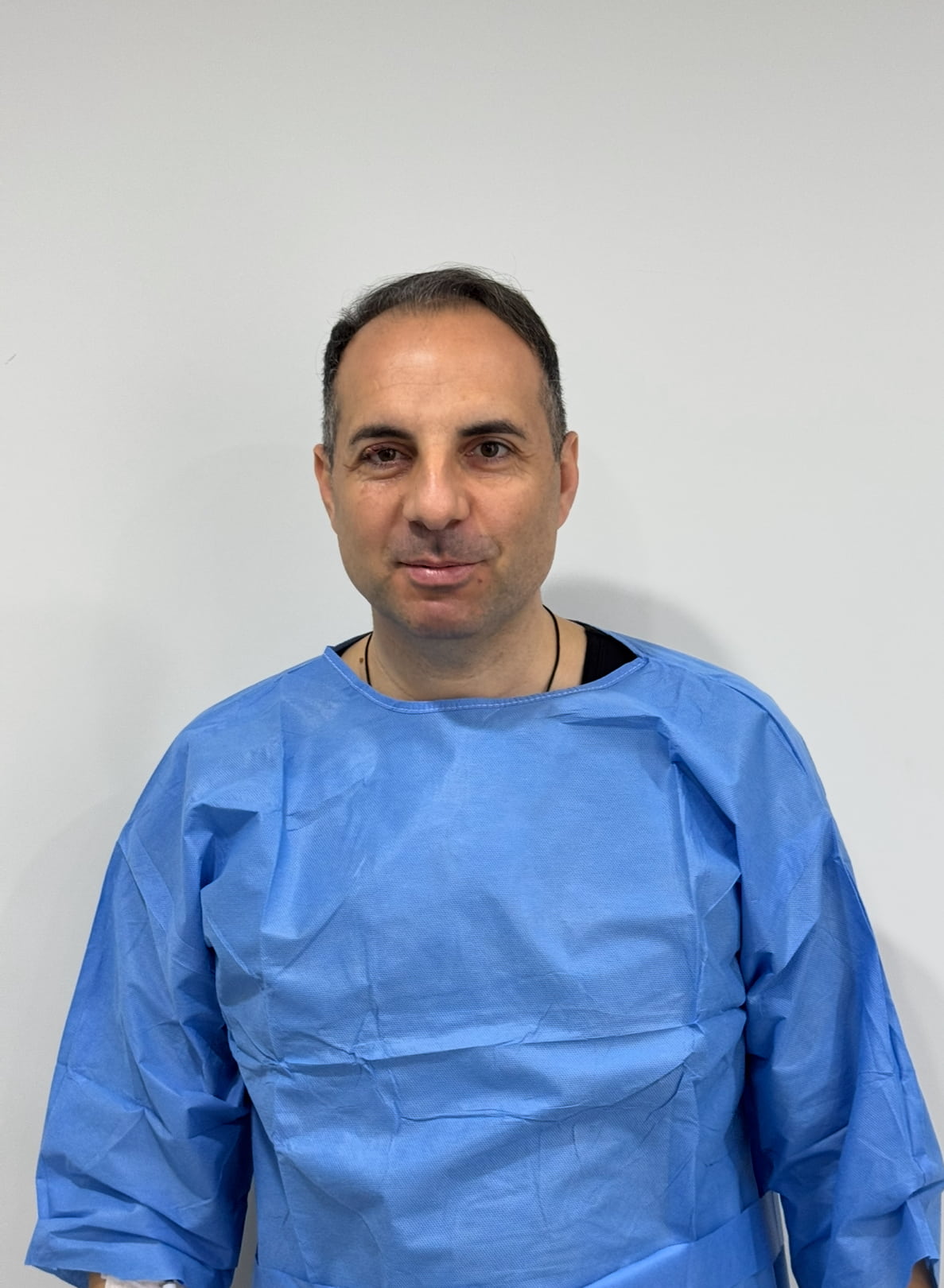
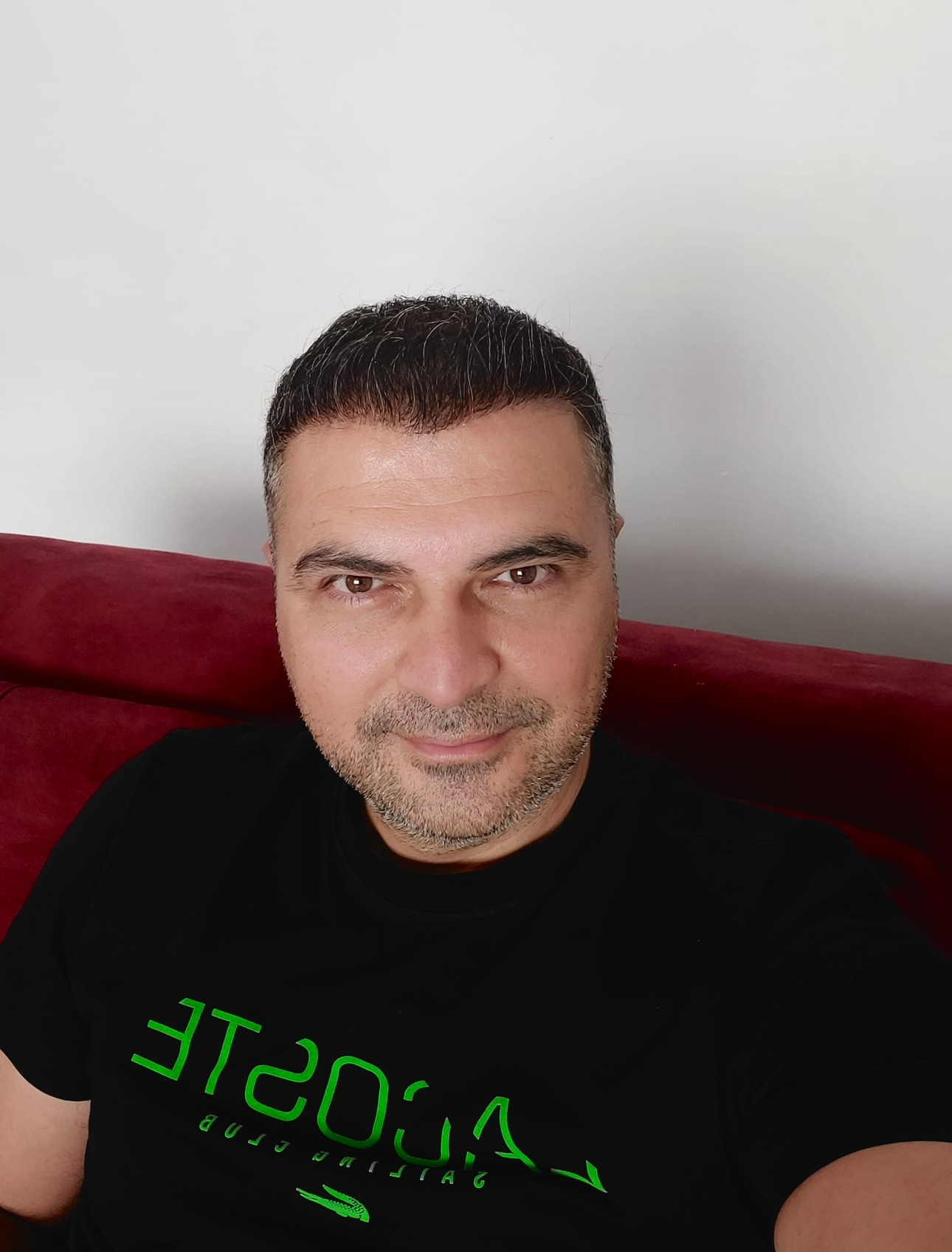
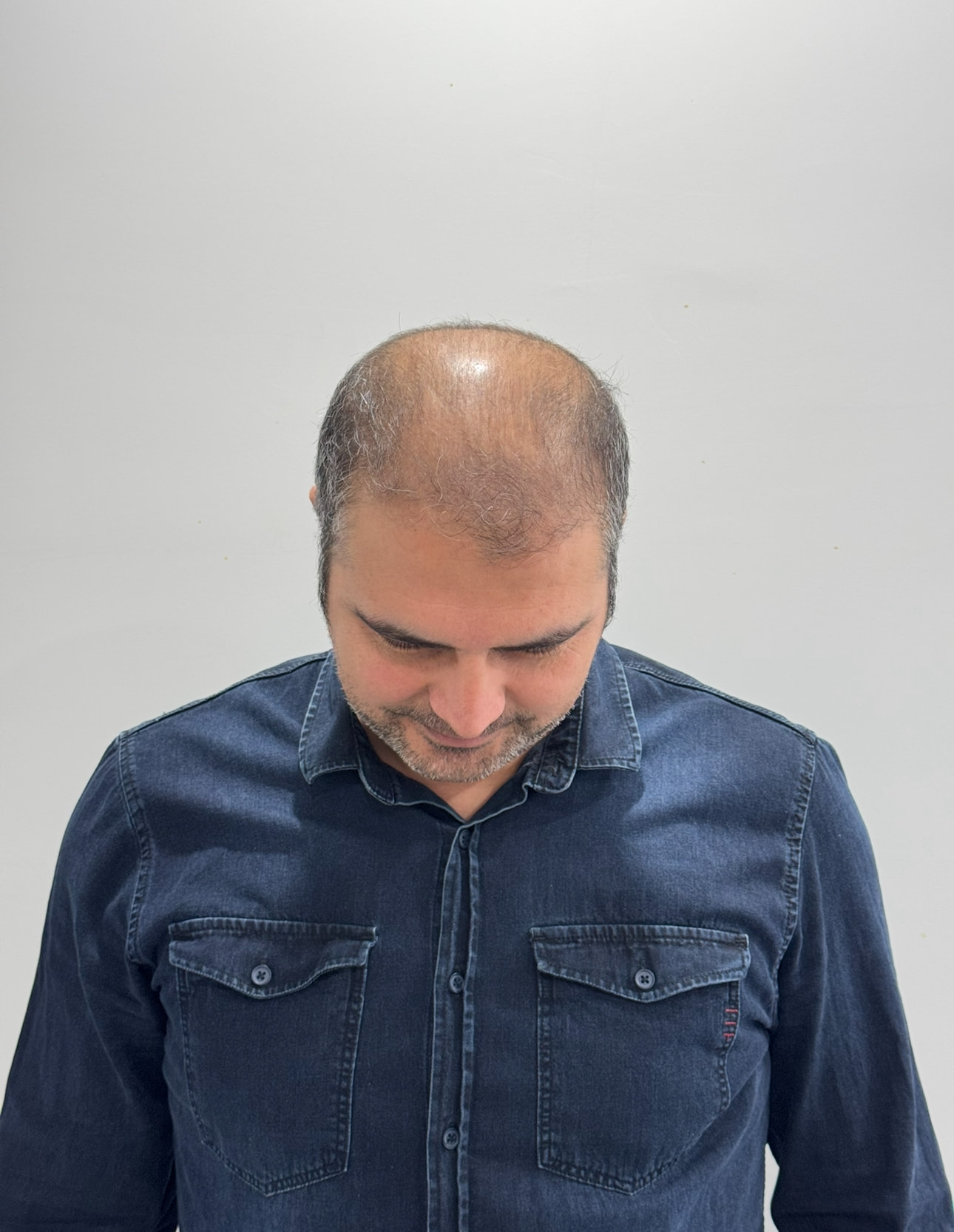
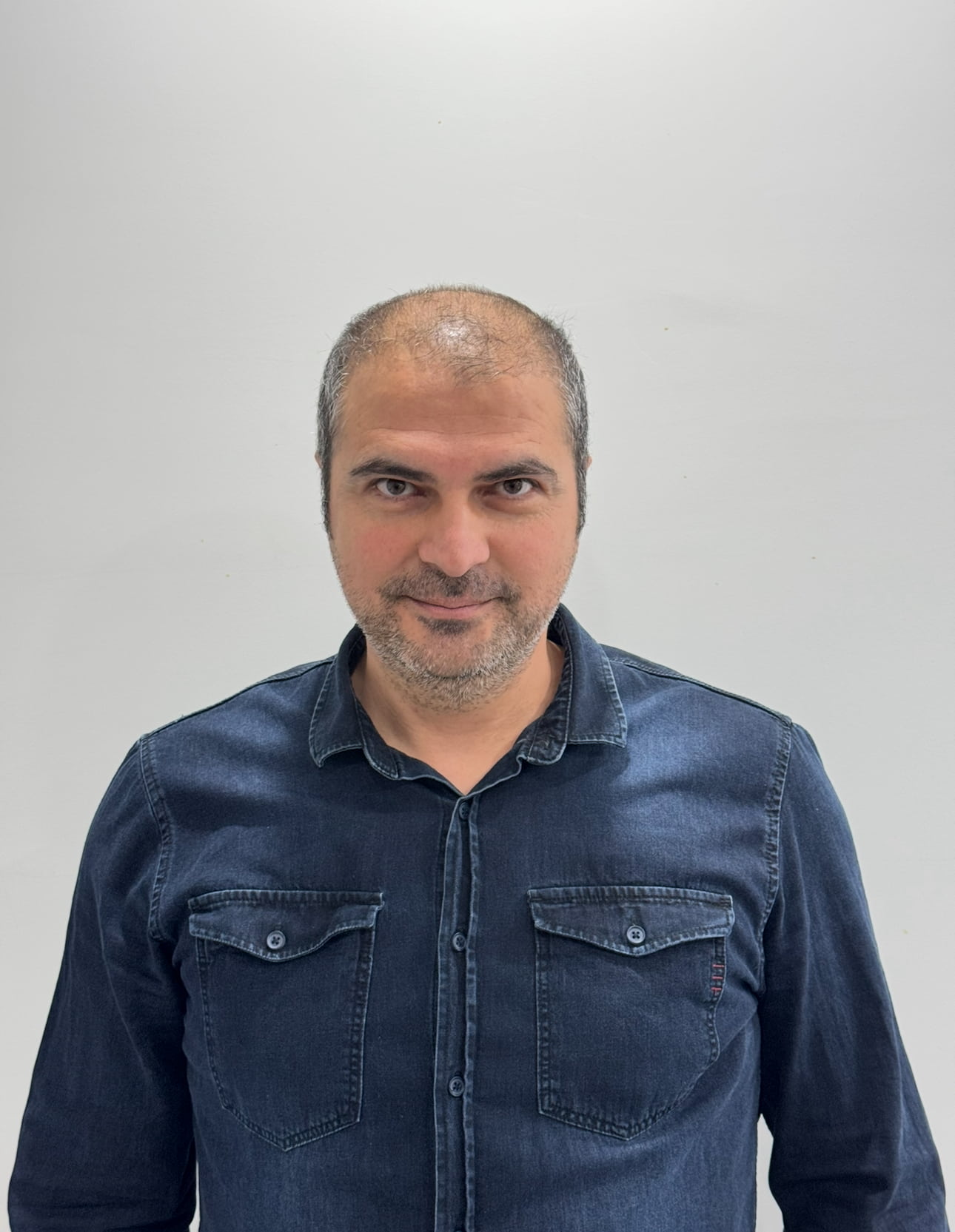
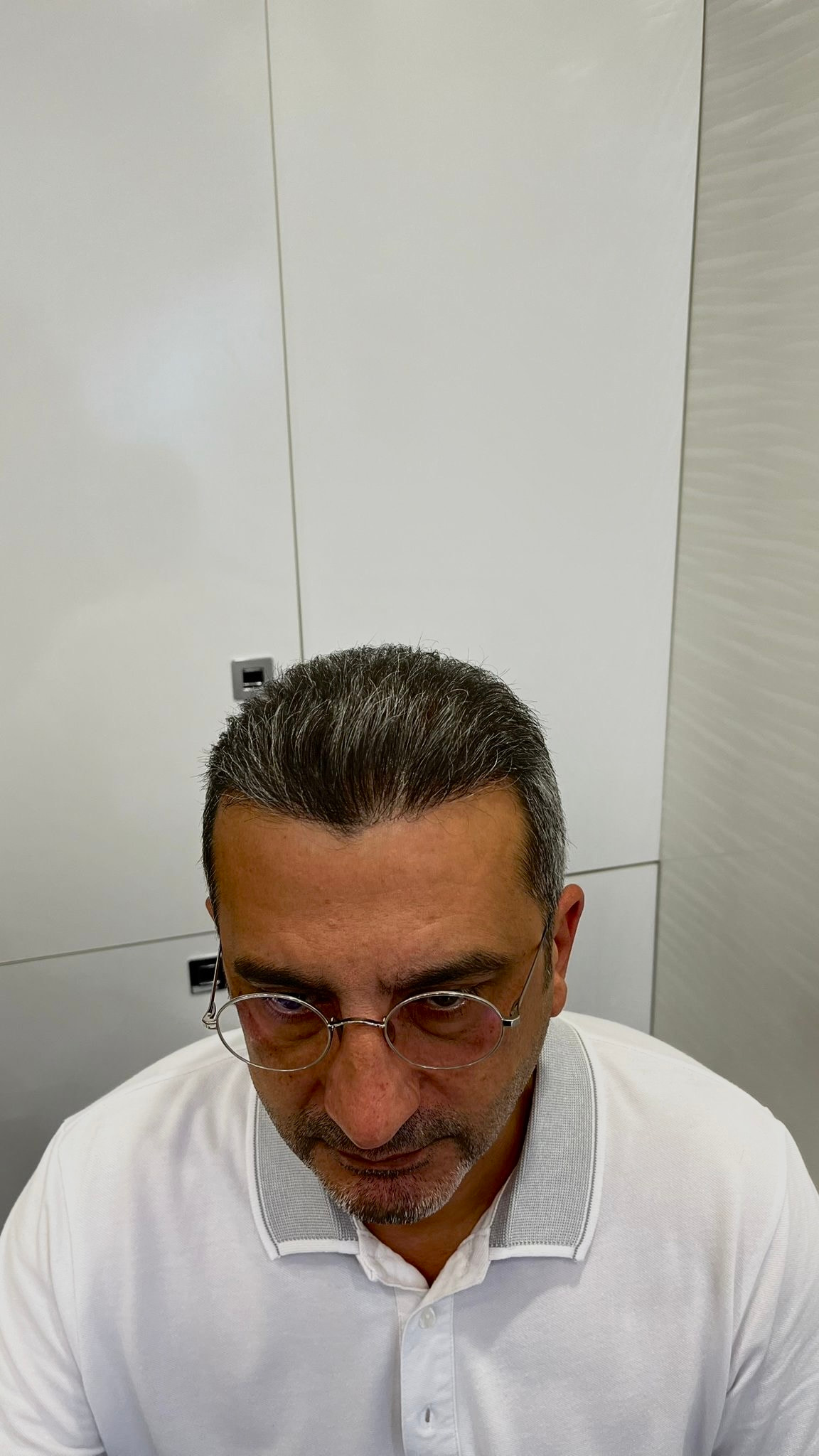
Is there a growing gap between the person you see in the mirror and the person you feel you are? Hair loss is not just a physical change, it is psychological erosion. In Antalya, the health tourism capital of the world, you have the power to reverse this process with Haarex Clinic's 17 years of experience. This guide has been prepared to provide scientific, transparent, and detailed answers to all your questions about the Antalya hair transplant process.
Antalya: Why is it the World's Choice for Hair Transplantation?
Over the past 10 years, Turkey has become the undisputed leader in the global hair transplantation market. For thousands of European, American, and Middle Eastern patients seeking to escape Istanbul's heavy traffic and chaos, Antalya has become the new destination, allowing them to combine their procedure with a “recovery vacation.” Antalya is not only a tourist paradise but also a “Medical Hub” with high-tech hospitals accredited by JCI (Joint Commission International).
At Haarex Clinic, our mission in Antalya is not to profit from volume, but to offer boutique and personalized service. Unlike “assembly line” centers that see 50-60 patients a day without the doctor ever being seen, we approach each patient with the care of a ‘project’ and a “work of art.”
Data on the Antalya Hair Transplant Sector
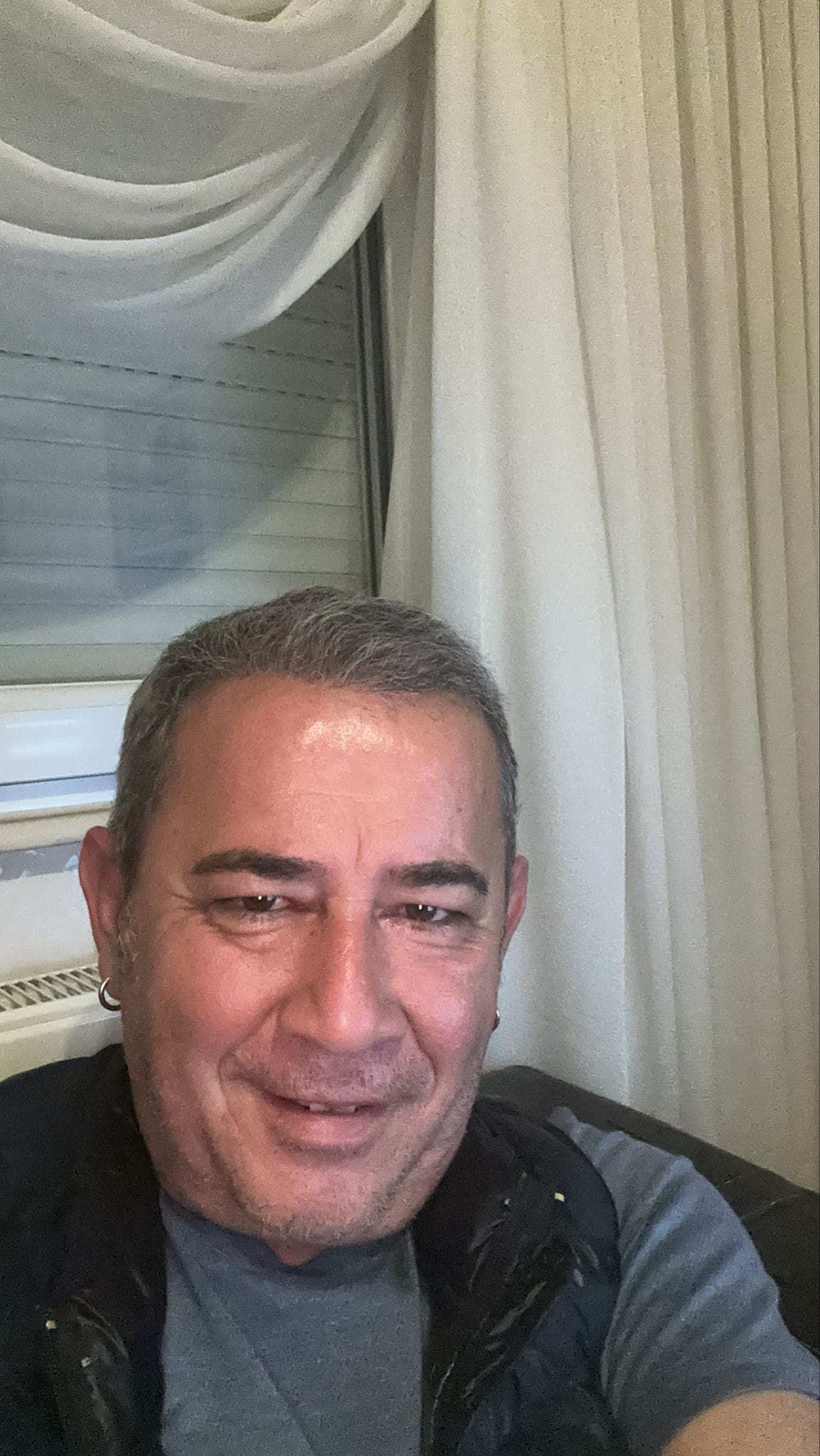
Acccording to recent studies,the satisfaction rate of patients who choose Antalya for hair transplants is %98.The main reasons are there:
- Cost Efficiency: Up to 70% price advantage compared to the US and UK
- Technology Access: Sapphire and DHI technologies, which are still relatively new worldwide, are standard here.
- Service Quality: VIP transfers, 5-star accommodation, and interpreter support are included in the packages.
Understanding the Problem: Why Does Hair Fall Out? (Androgenetic Alopecia)
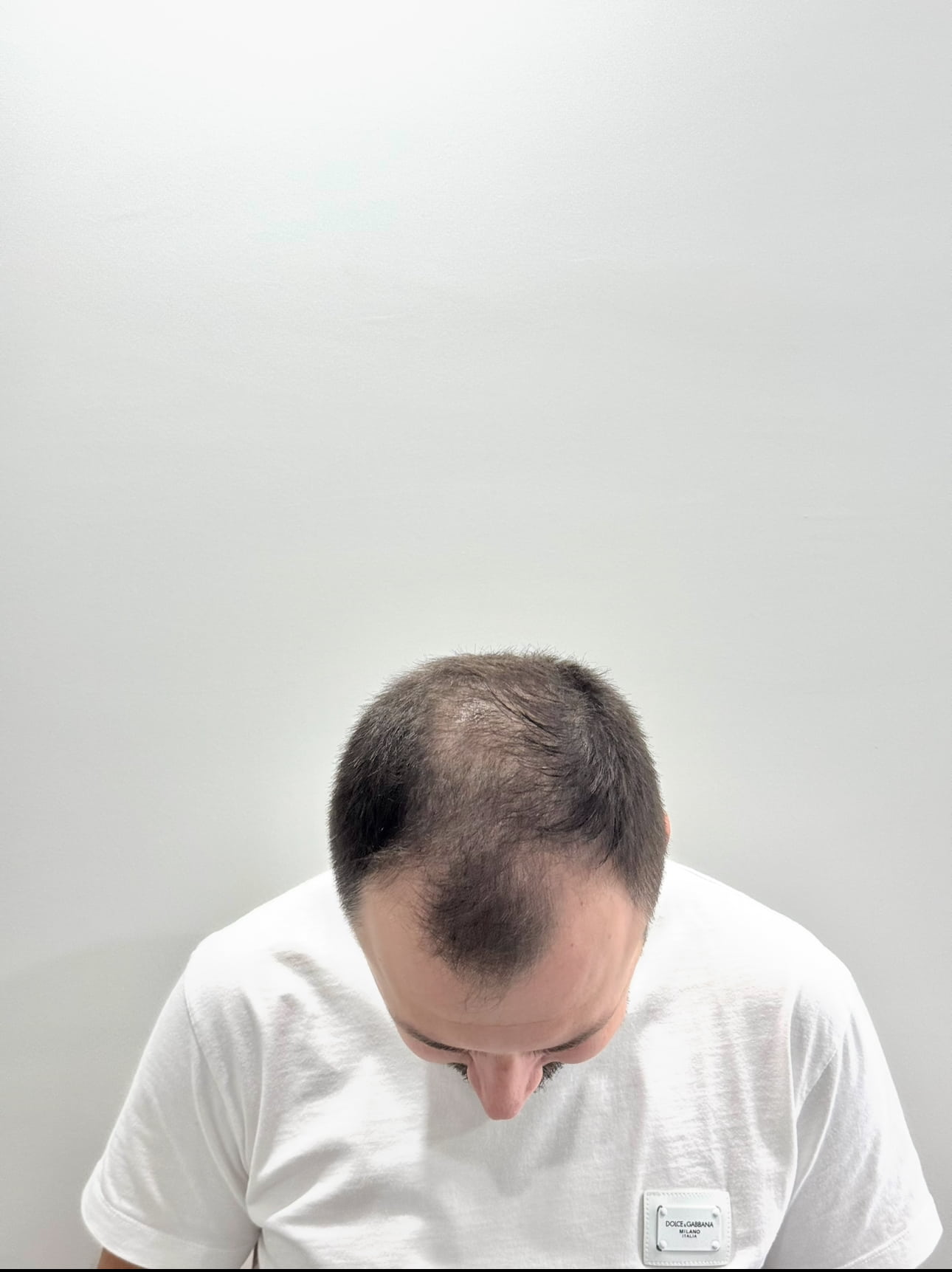
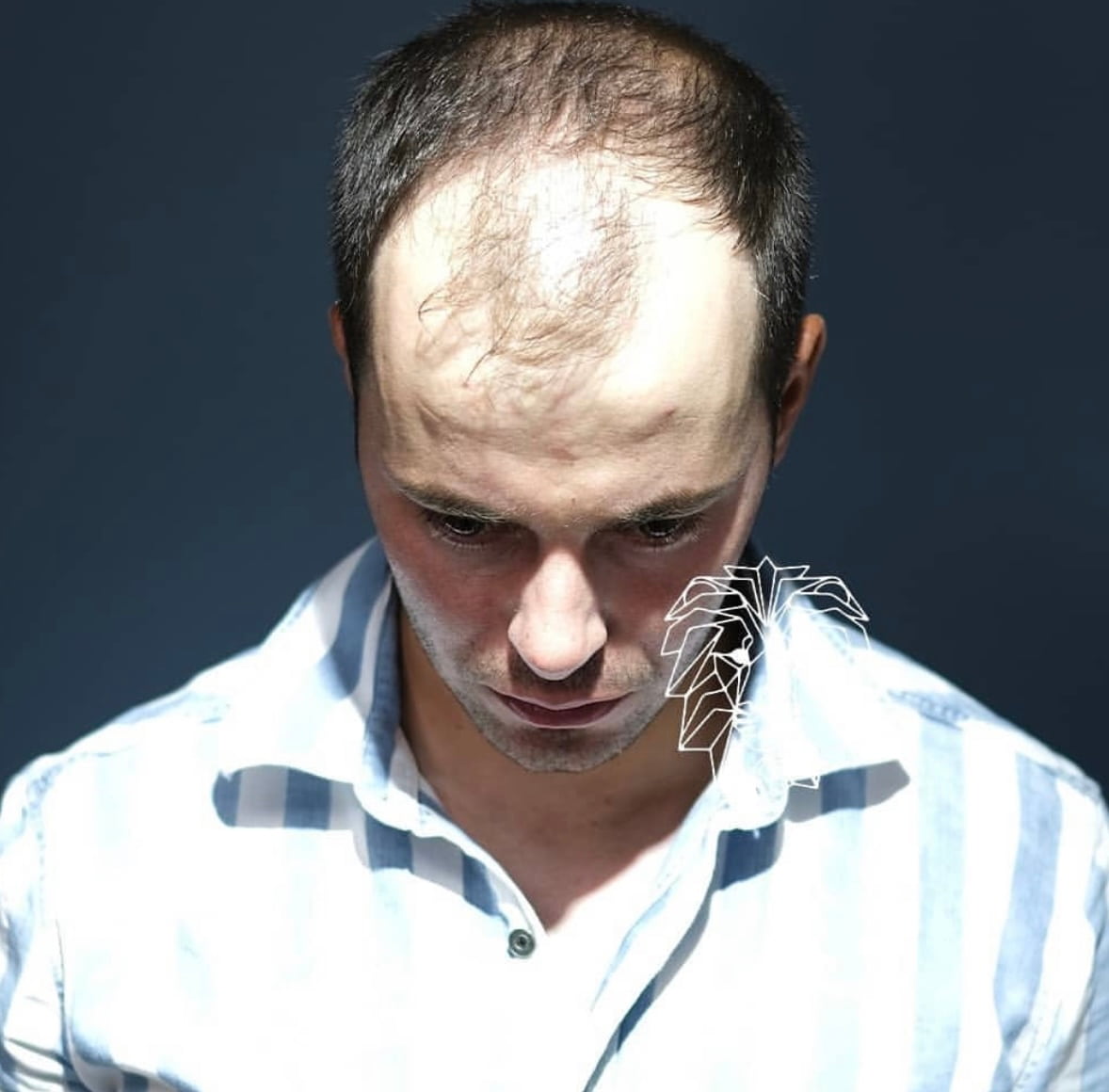
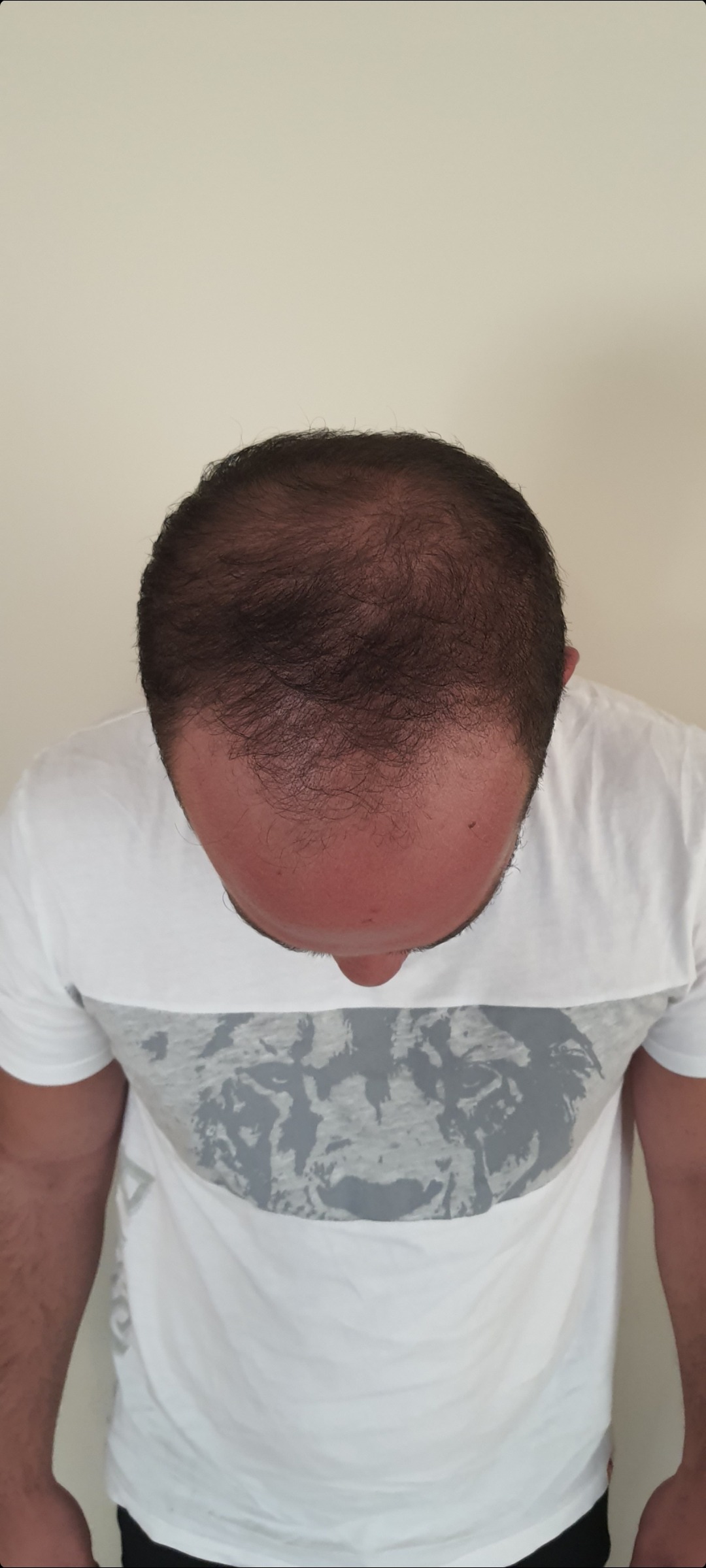
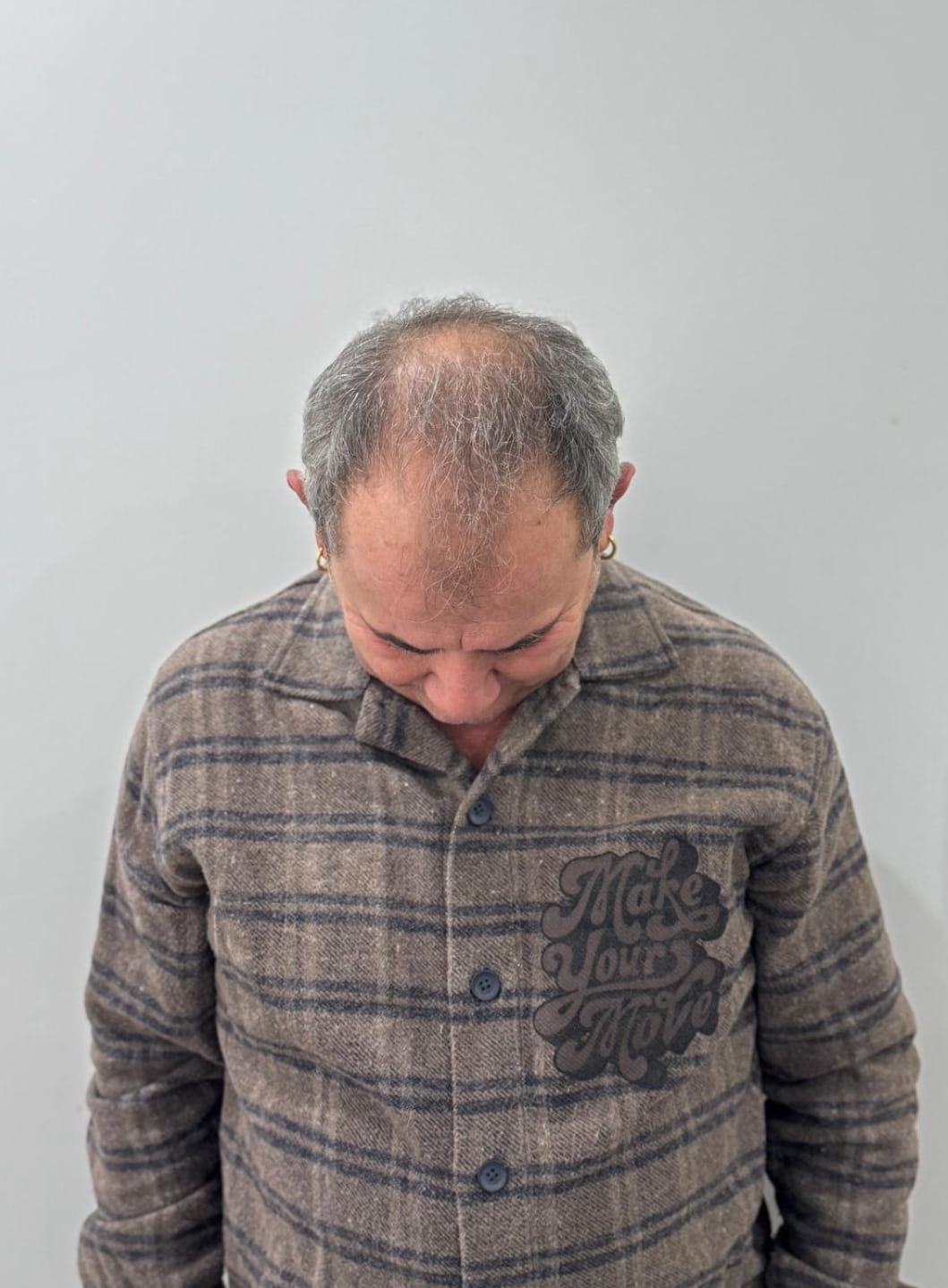
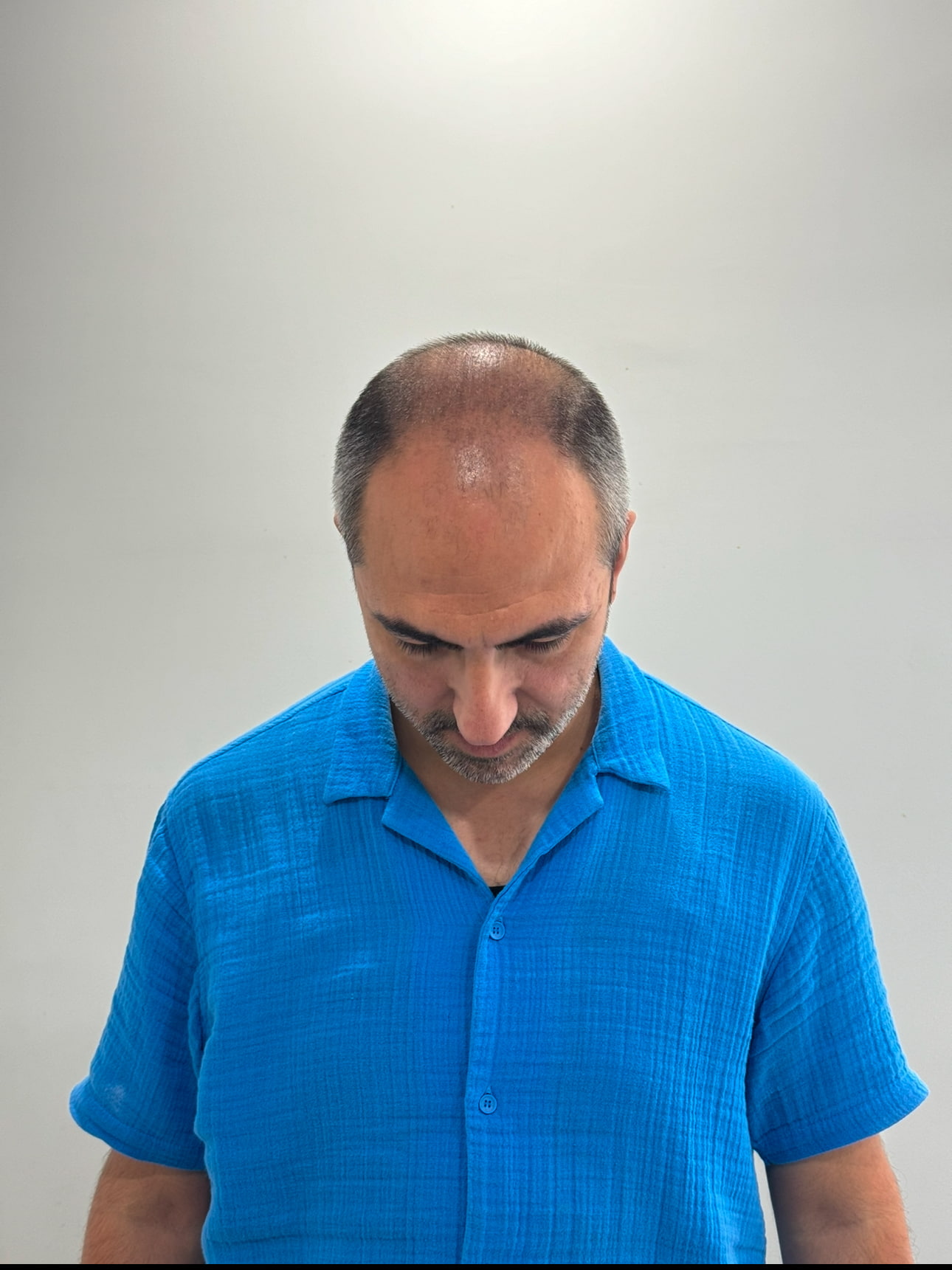
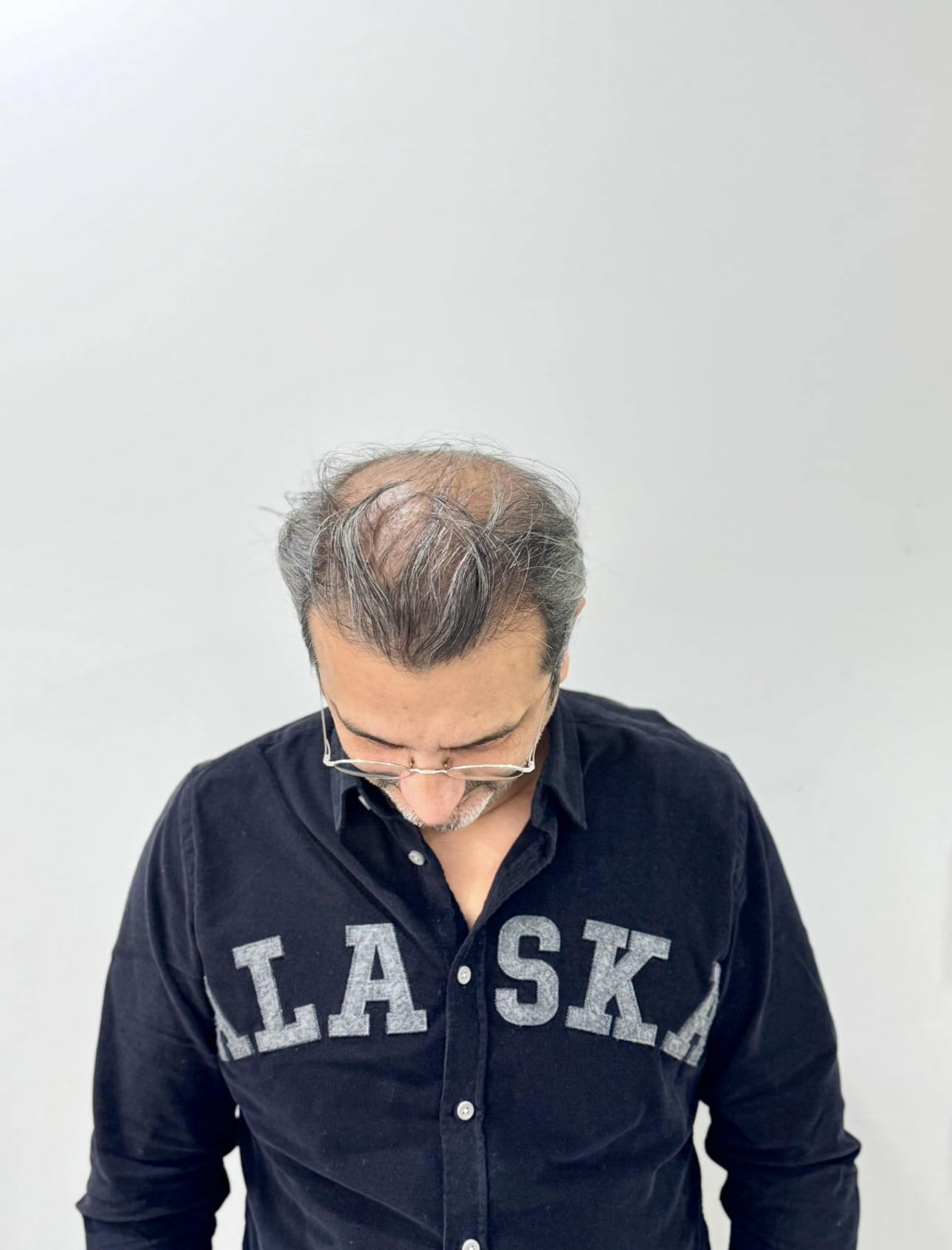
Before moving on to the solution, it is necessary to understand the root of the problem. Male pattern hair loss (Androgenetic Alopecia) begins in genetically predisposed individuals when the male hormone testosterone is converted into a derivative called DHT (Dihydrotestosterone). DHT attacks hair follicles genetically programmed for shedding (in the forehead and crown areas), causing them to thin (miniaturization) and eventually leading to the complete loss of the follicle.
Good News: Hair follicles at the back of the neck and behind the ears are genetically “immune” to the DHT hormone. This is the basic principle behind hair transplantation (autotransplantation): transplanting these strong follicles, which are genetically programmed not to fall out, to the area where they are needed.
Hair Loss Stages (Norwood Scale)
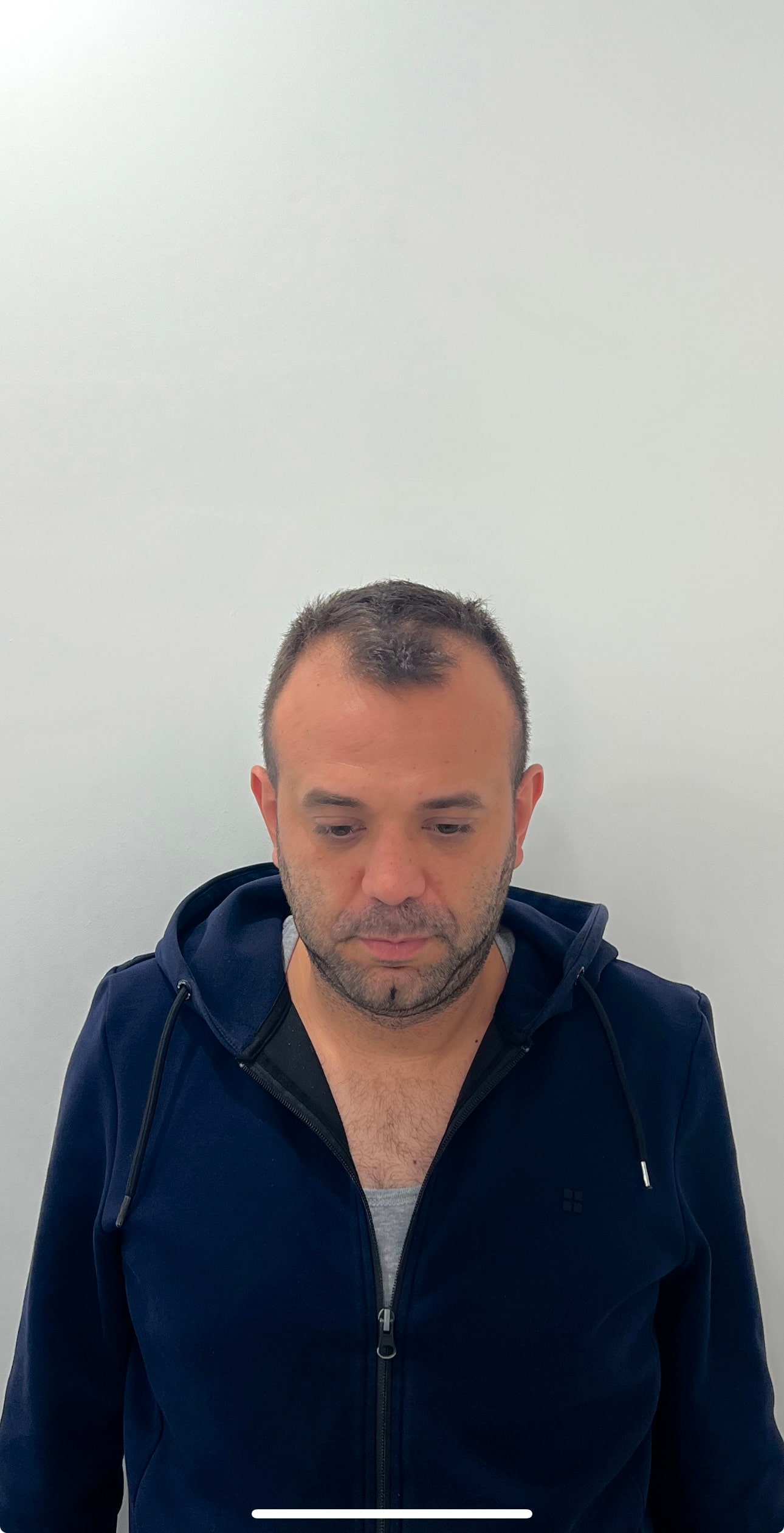
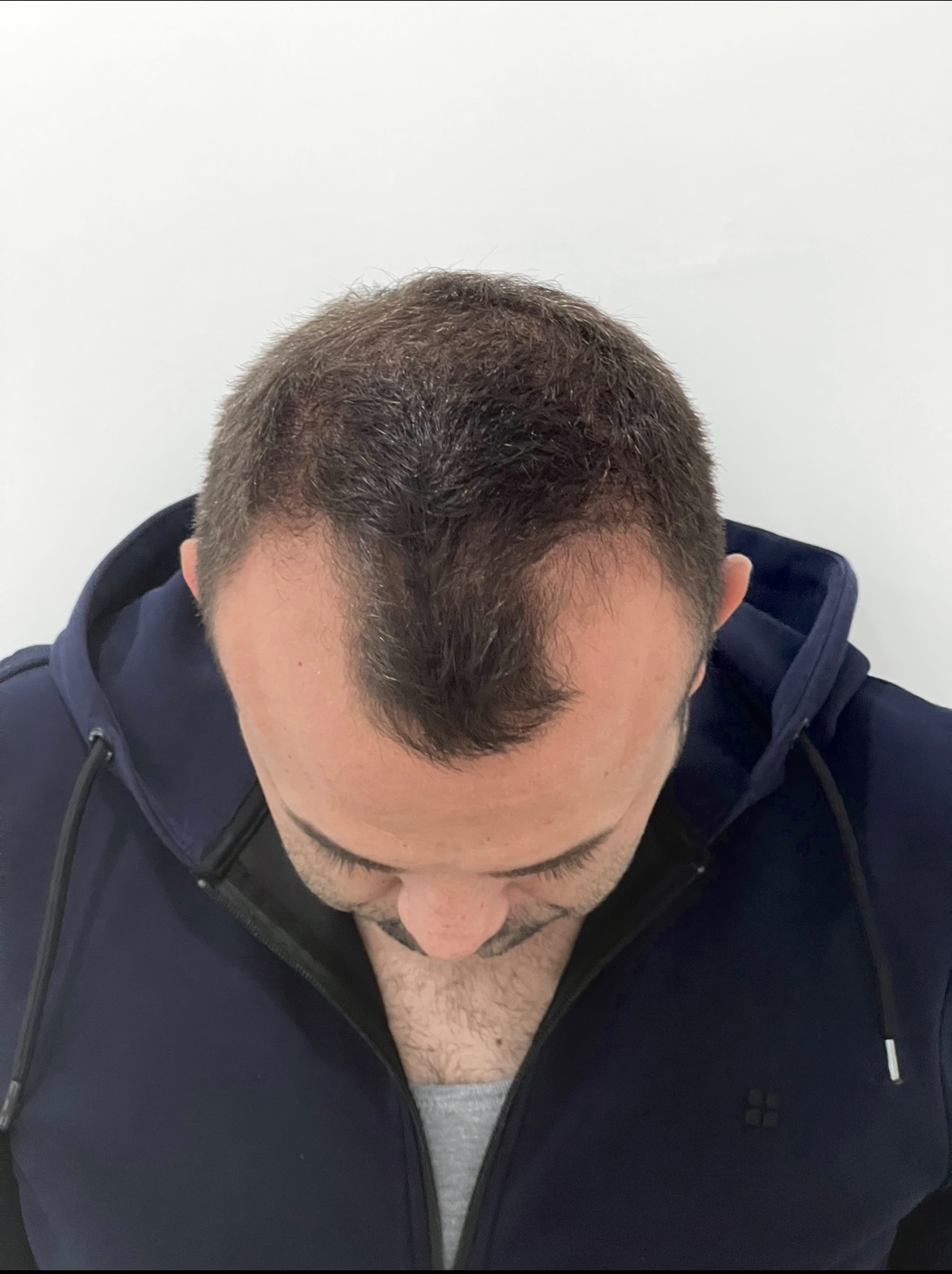
We evaluate our patients who come to Haarex Clinic according to the internationally recognized Norwood Scale. Your stage determines the technique to be used and the number of grafts:
| Stage | Definiton |
Recommended Treatment / Number of Grafts |
|---|---|---|
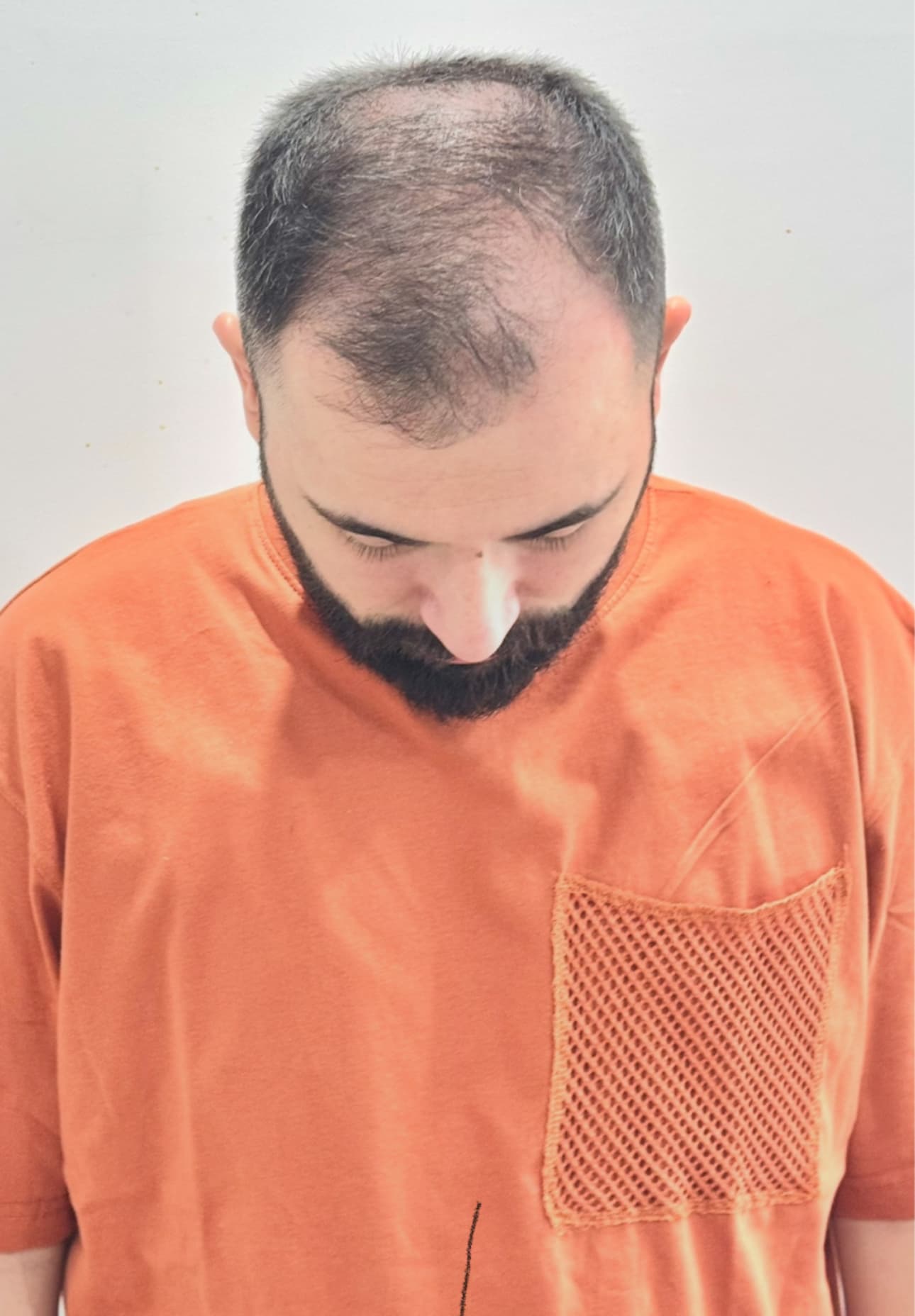
| Type 1-2 | Slight receding hairline, thinning at the temples. |
Usually medication or a small DHI touch-up (1000-1500 grafts). |
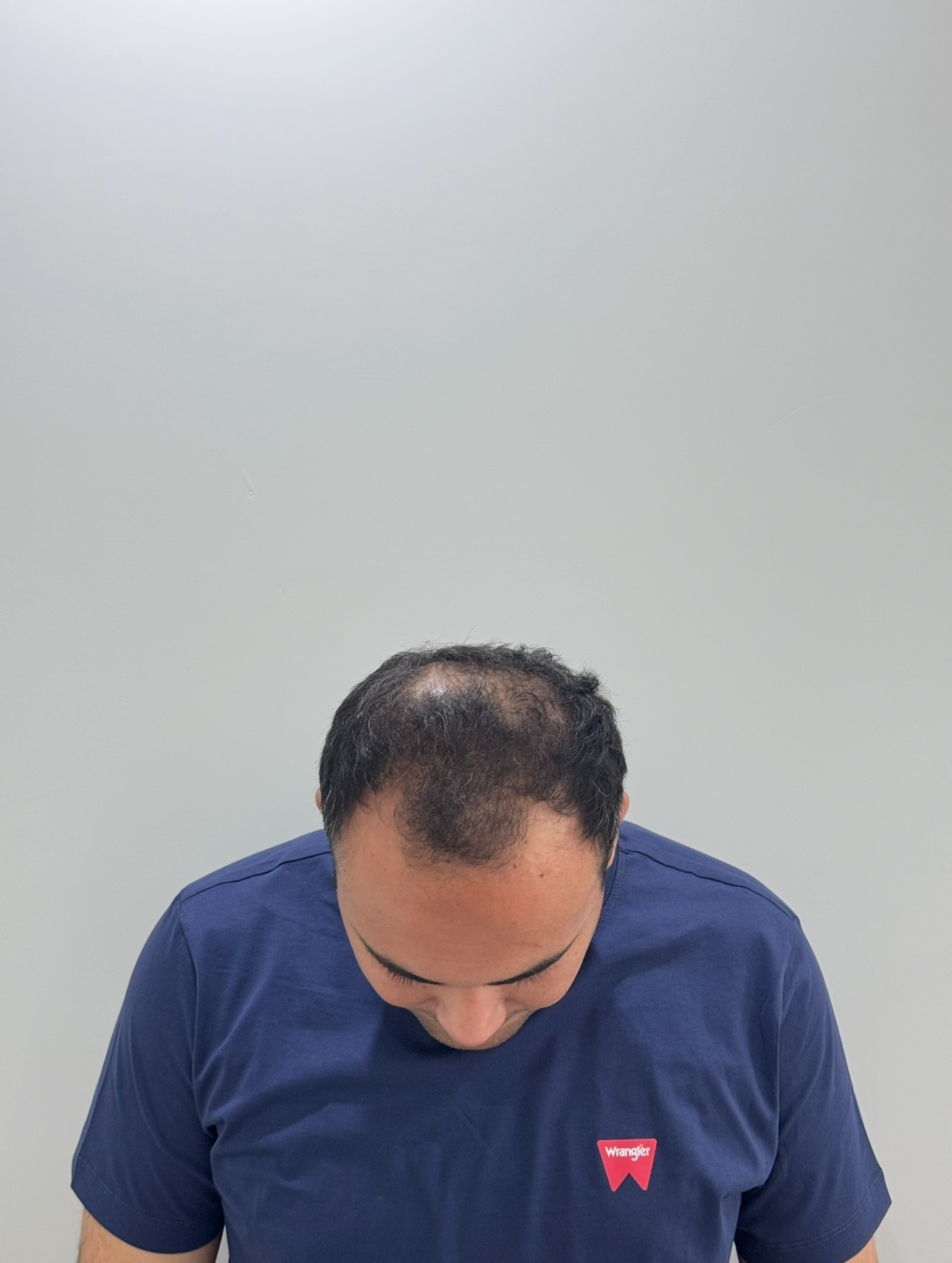
| Type 3-4 | Frontal line is disrupted, thinning has begun in the vertex area |
Standard Hair Transplant (2500-3500 grafts). |
| Type 5-6 |
Front and vertex have merged, only hair remains on the sides. |
Mega Session or Two-Session Transplant (4000-5500 grafts). |
| Type 7 | Only a thin strip remains on the ear |
The donor area may be insufficient. Body hair (beard) support may be required. |
Not Just Transplantation, but “Facial Engineering” and Design
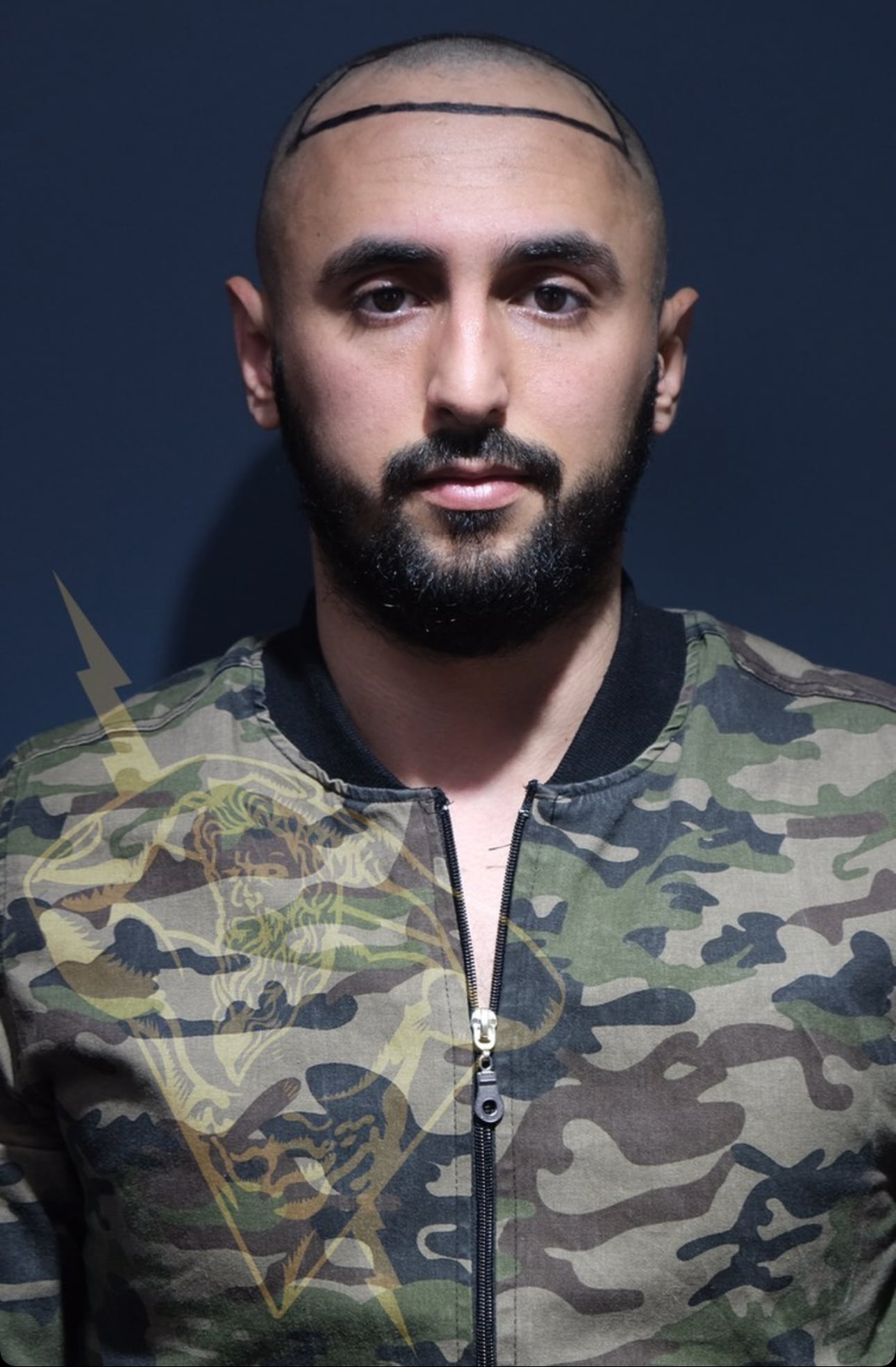
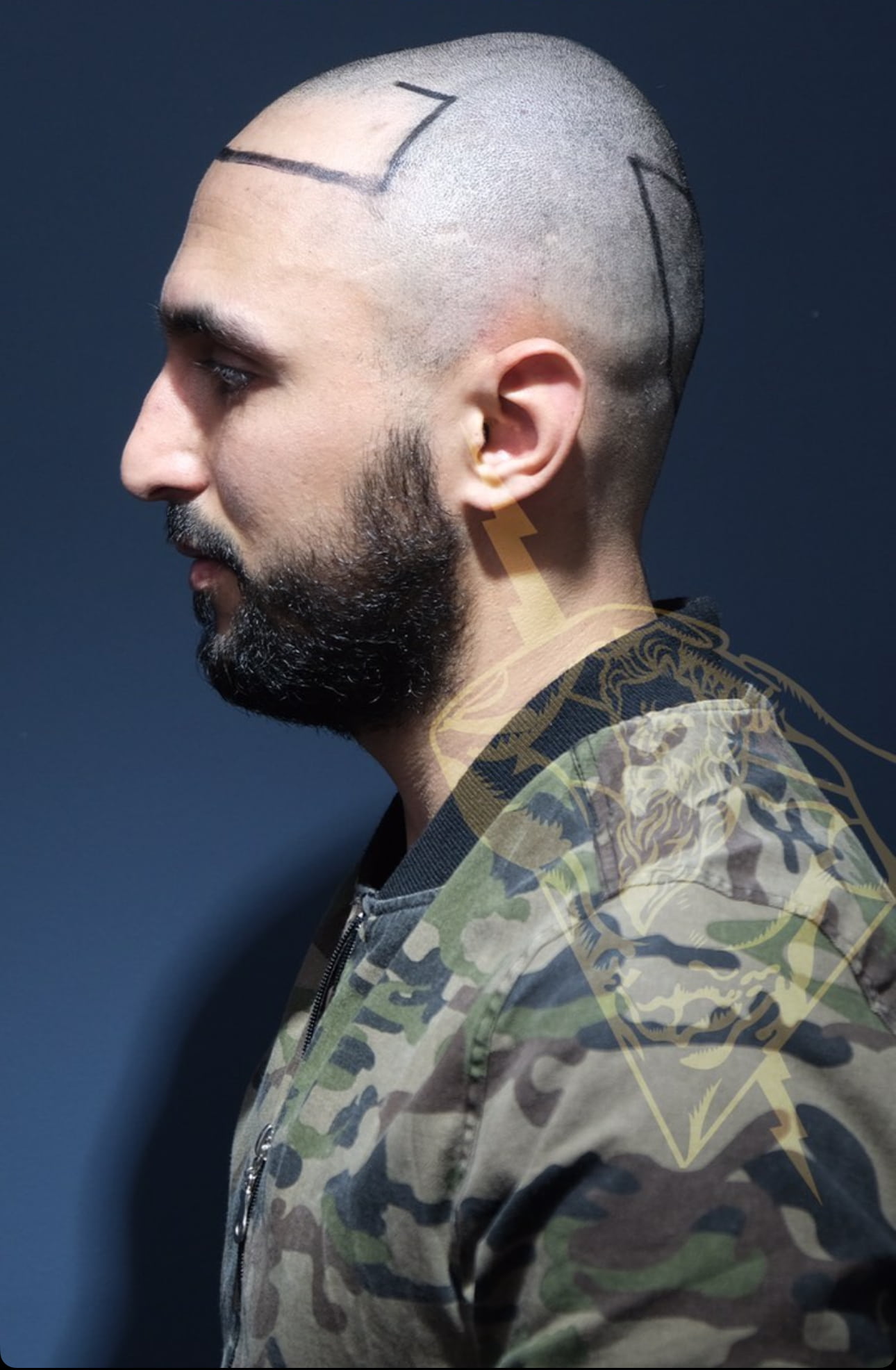
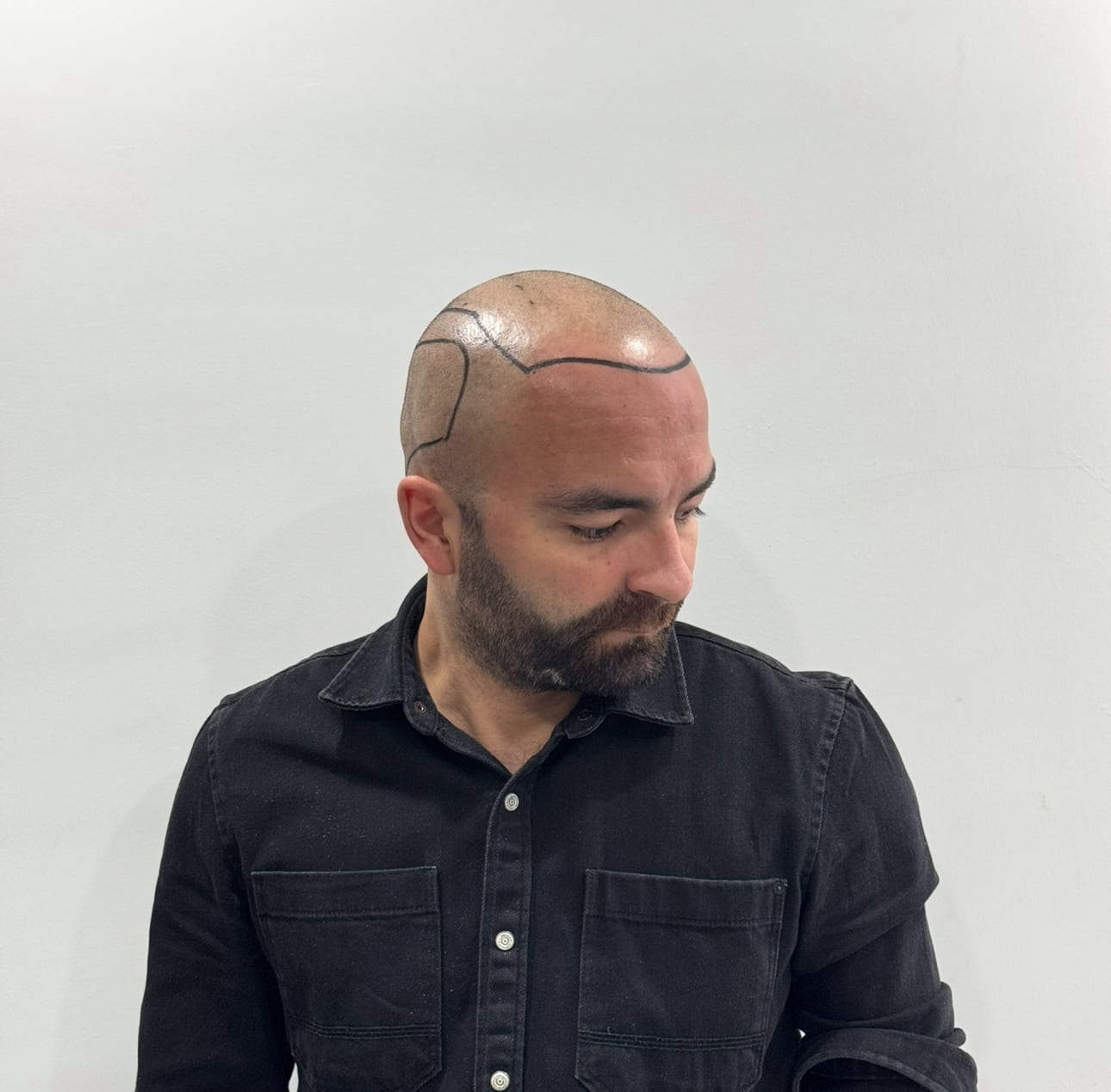
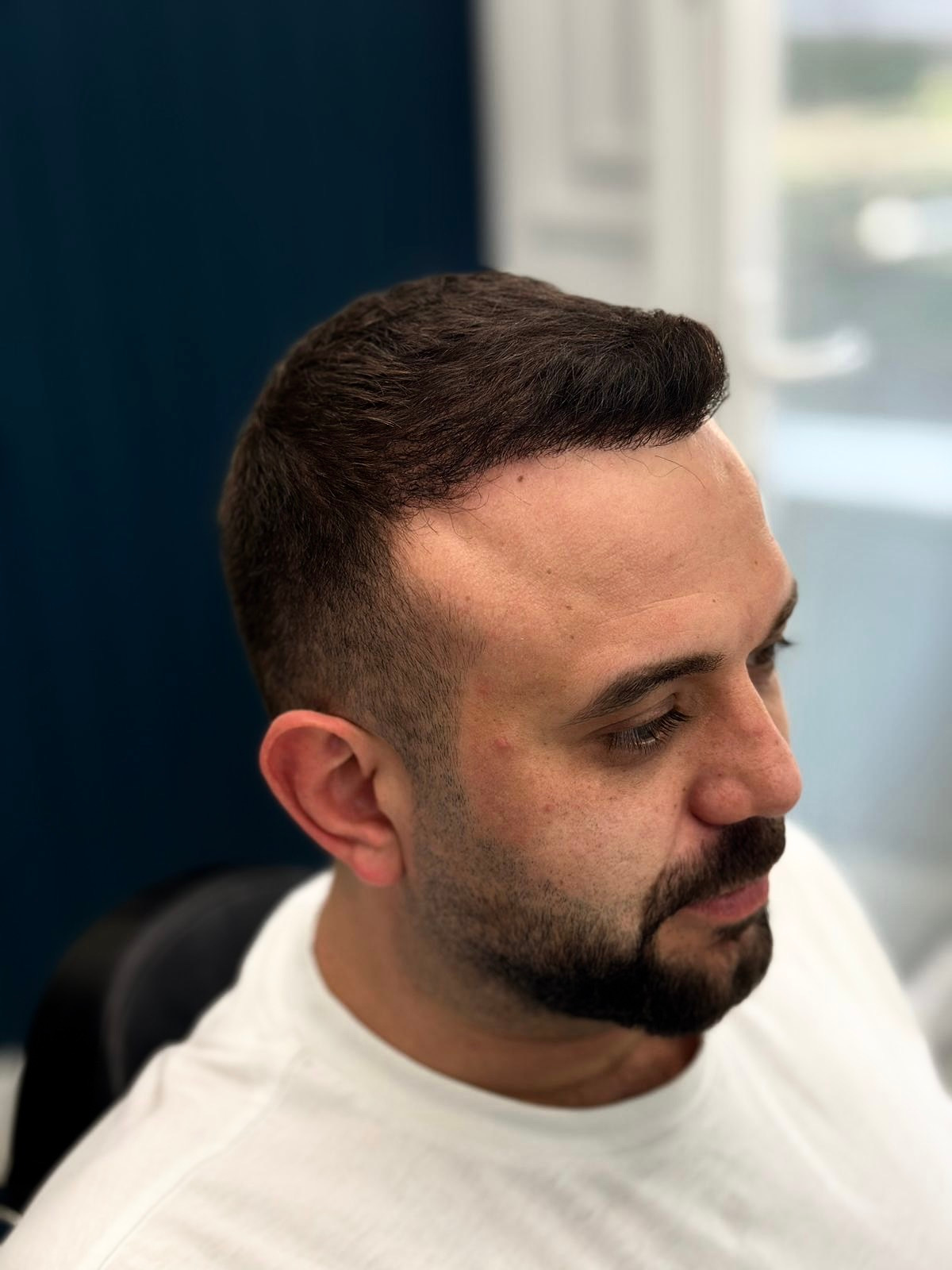
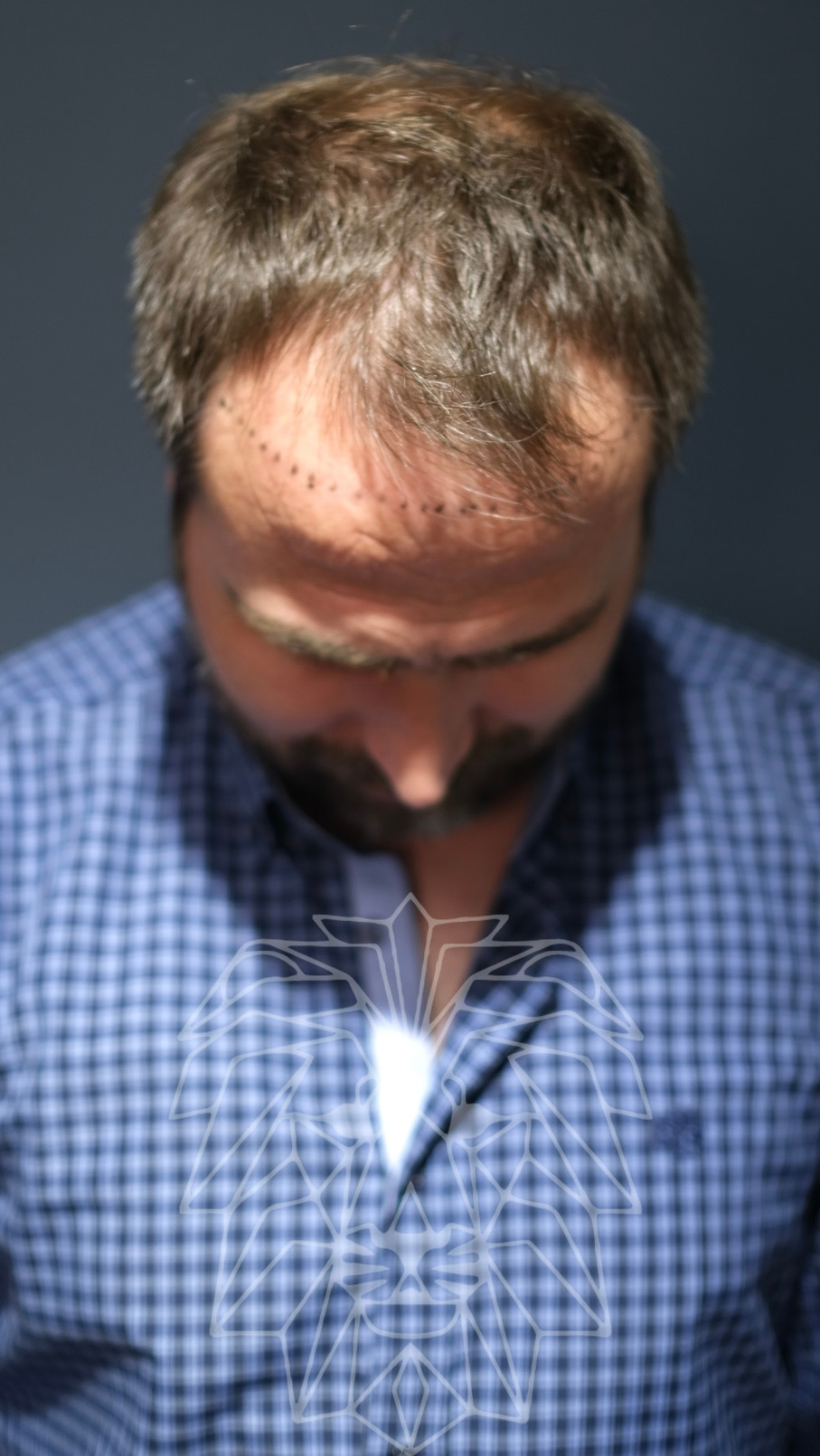
Many people view hair transplantation as a simple “hair transplant.” However, this procedure is about rebuilding the front of your face. The most important factor that sets Haarex Clinic apart from other hair transplant centers in Antalya is its sensitivity to “Natural Hairline Design.”
Golden Ratio and Front Hairline
A natural hairline is never perfectly straight, like it was drawn with a ruler. Nothing in nature is perfectly straight. Haarex experts:
- Micro-Indentations and Protrusions: When creating the hairline, millimeter-level zigzags are made to ensure a natural transition.
- Single Grafts: Never plant 2 or 3 roots in the front line. Only single grafts are selected to give a “baby hair” look.
- Temporal Area (Temples): The temples are the most important detail for making the face look young. The angle of this area is redesigned to suit your age and face shape.
Advanced Surgical Techniques Used: Which Method is Right for You?
Technology has increased the success rate of hair transplantation from 90% to 99%. At Haarex Clinic, we do not use older generation FUT (strip/suture) methods. We use completely minimally invasive micro-surgical techniques.
1. Sapphire FUE (Sapphire Follicular Unit Extraction)
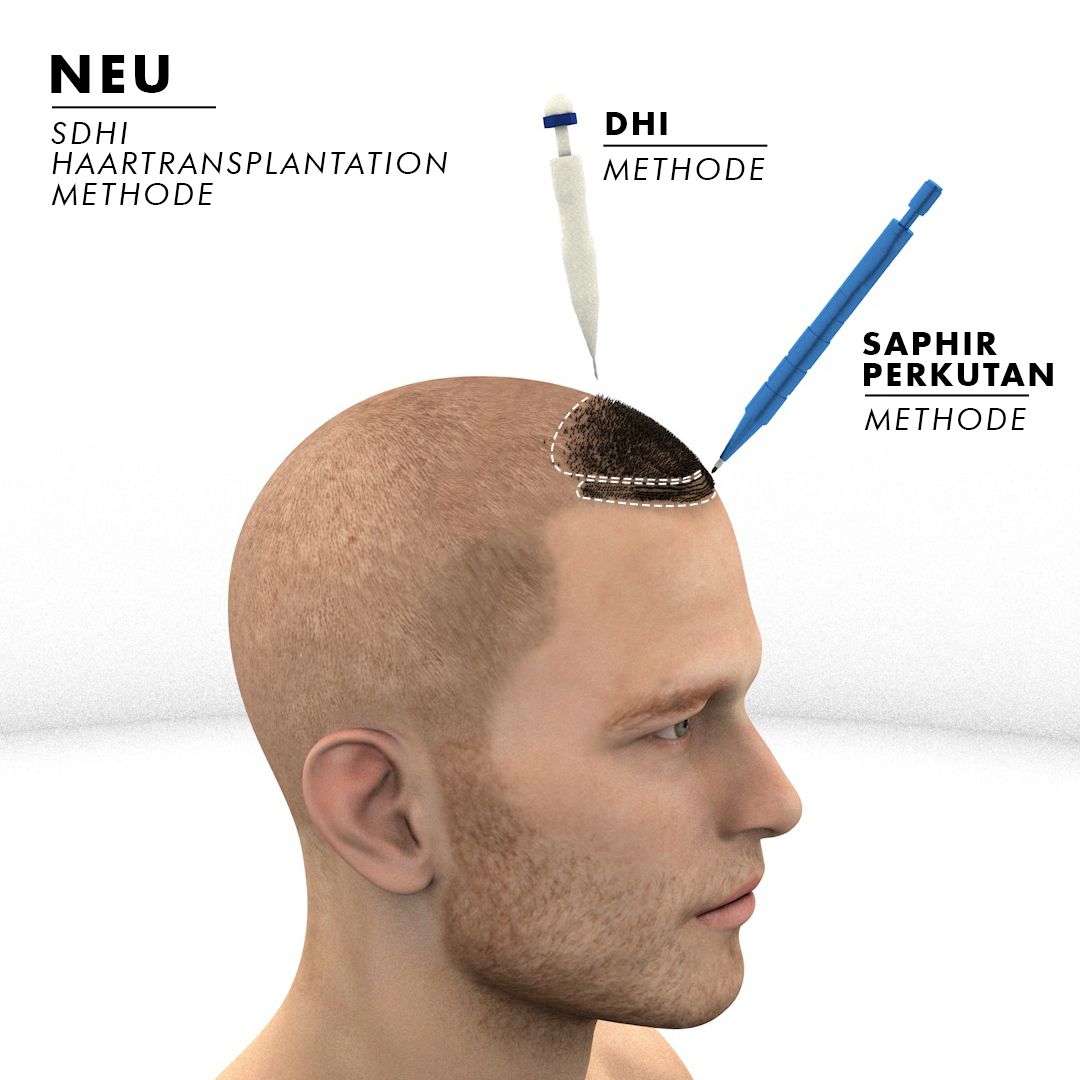
The FUE method involves the individual extraction of hair follicles using micromotors. However, the main difference lies in the “channel creation” stage. Sapphire FUE differs from classic FUE in terms of the tip used.
Why Sapphire Instead of Metal?
The classic method uses steel tips (slits). Steel can dull over time and cause more extensive damage to the tissue.Sapphire tips on the other hand:
- Antibacterial: Reducing the risk of infection.
- Smooth: They do not create vibration when entering the tissue, preventing trauma.
- More Frequent Implantation: Since the tips are very thin (0.6mm - 0.8mm), the roots can be implanted closer together. This means a denser hair appearance.
2. DHI (Direct Hair Implantation) - Pen Technique
DHI is considered the “Ferrari” of hair transplantation. There is no channel creation stage in this method. Roots placed inside special medical pens called “Choi Implanter Pens” are pushed directly under the skin.
Critical Advantages of DHI:
- Root Viability: Since the roots do not remain exposed (minimal contact with air), the survival rate is maximized.
- No Shaving Option: It offers the possibility of performing the procedure without shaving the area to be transplanted, which is particularly beneficial for women and men who want to return to work quickly.
- Direction Control: The pen makes it much easier for the surgeon to determine the angle and direction of hair growth.
3.Hybrid Transplantation (Combined Technique)
At Haarex Clinic, we combine both techniques in certain specific cases (such as very wide bald spots like Norwood 6-7). We achieve maximum efficiency by using DHI for the front hairline and sensitive areas requiring densification, and Sapphire FUE for quickly and densely covering wide crown areas.
The Day of the Procedure: What to Expect at Haarex Clinic?
You've made your decision and arrived in Antalya. So, what will happen on the big day? For many patients, the unknown can be frightening. That's why we share every minute of the process transparently. The procedure day lasts approximately 6-8 hours and consists of the following stages:
1.Welcome and Medical Preparation
Our VIP vehicle will pick you up from your hotel and bring you to our clinic. To start the day:
- Blood Tests: Your HIV, Hepatitis B/C, and Hemogram tests will be performed.
- Consent Forms: Legal information forms related to the process will be read and signed.
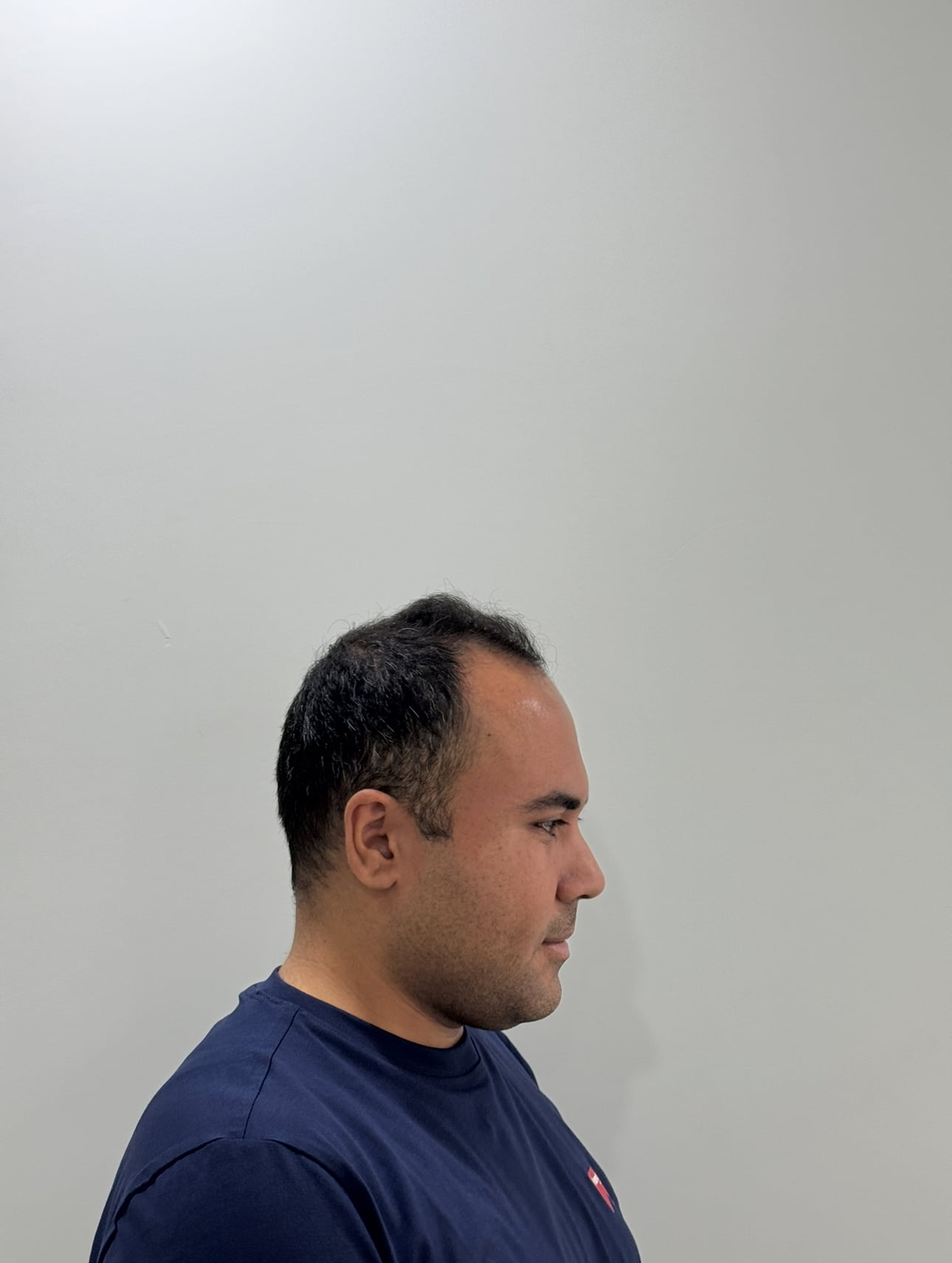
- Photography: High-resolution photos are taken from different angles for our medical archive and to track your progress.
2. Consultation and Hairline Design
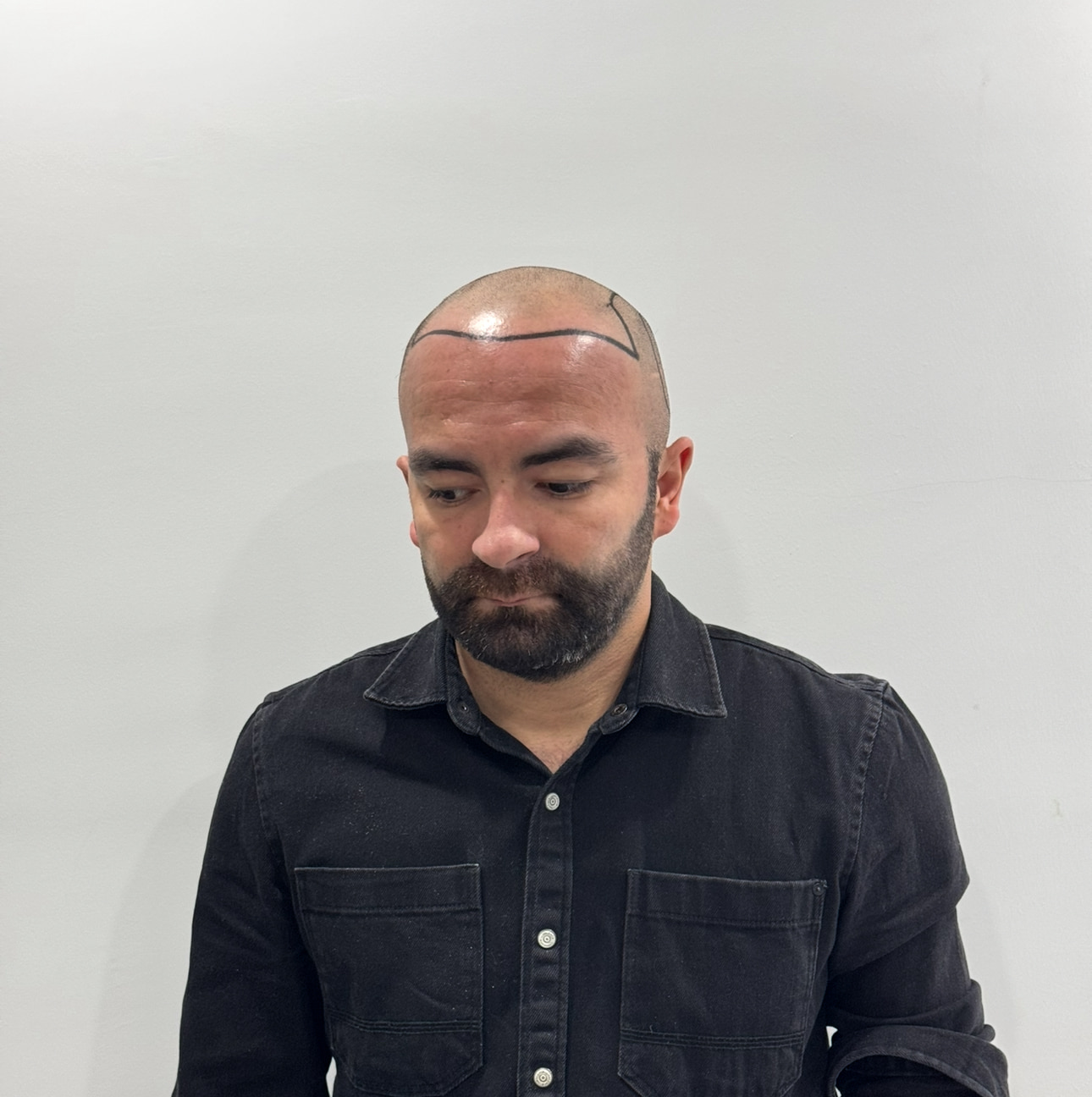
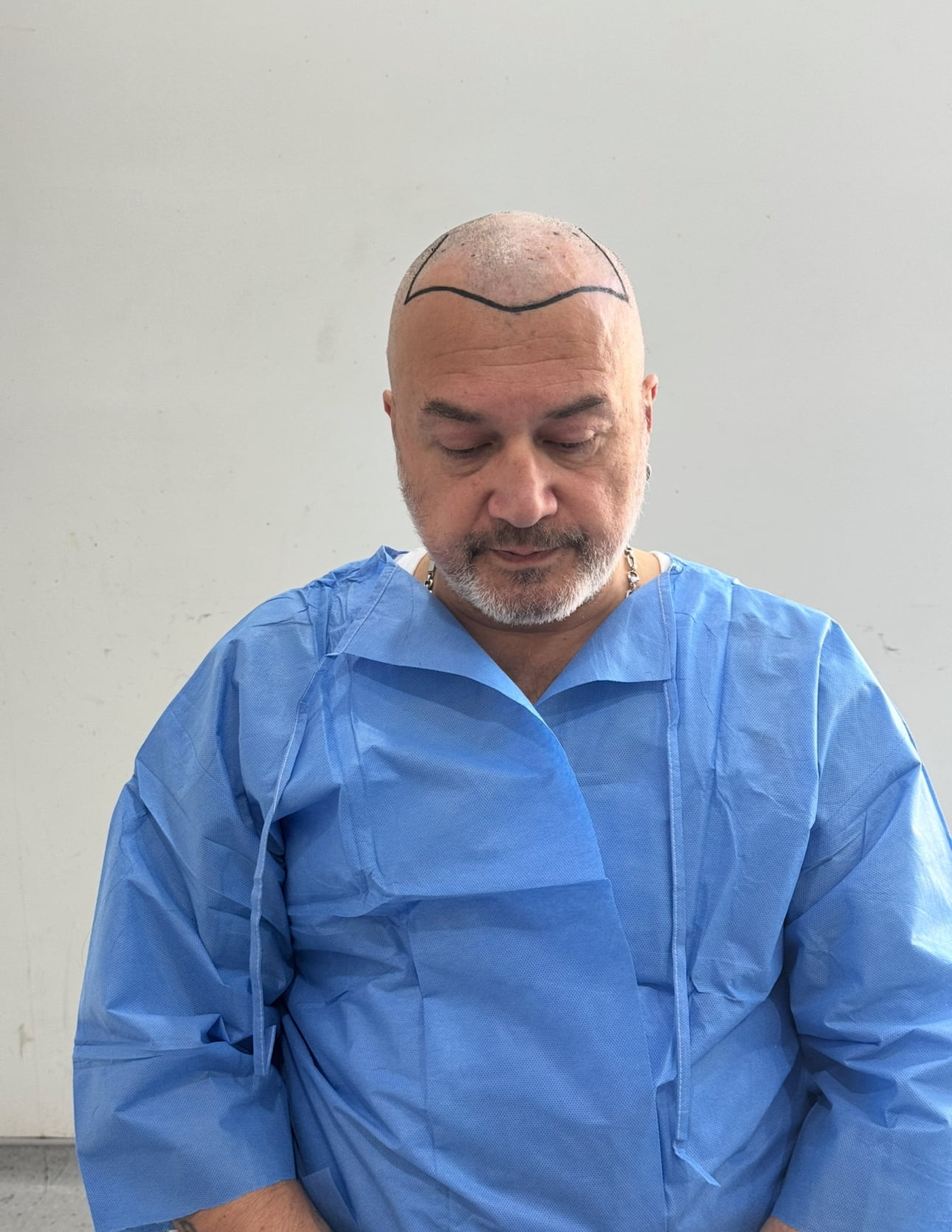
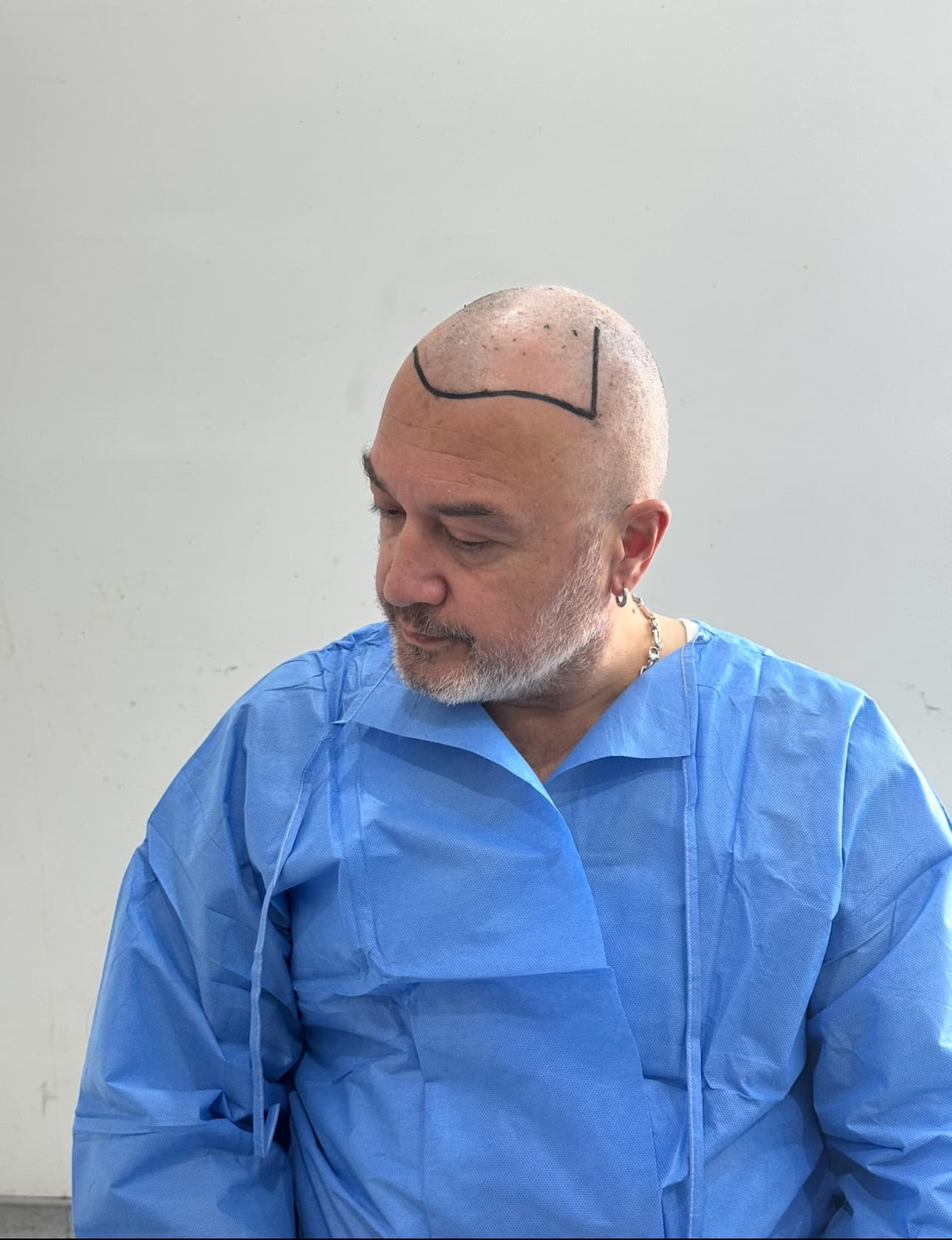
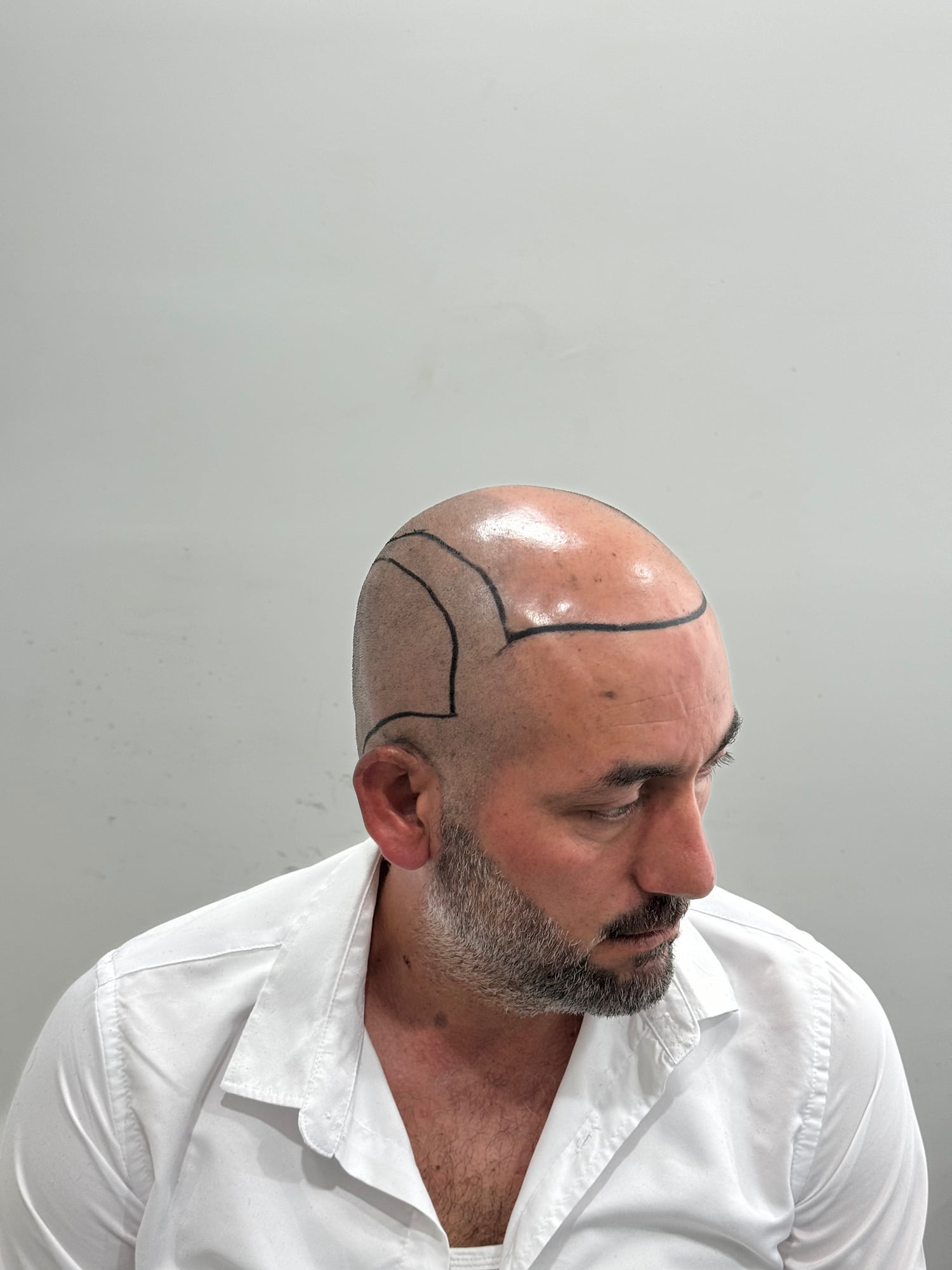
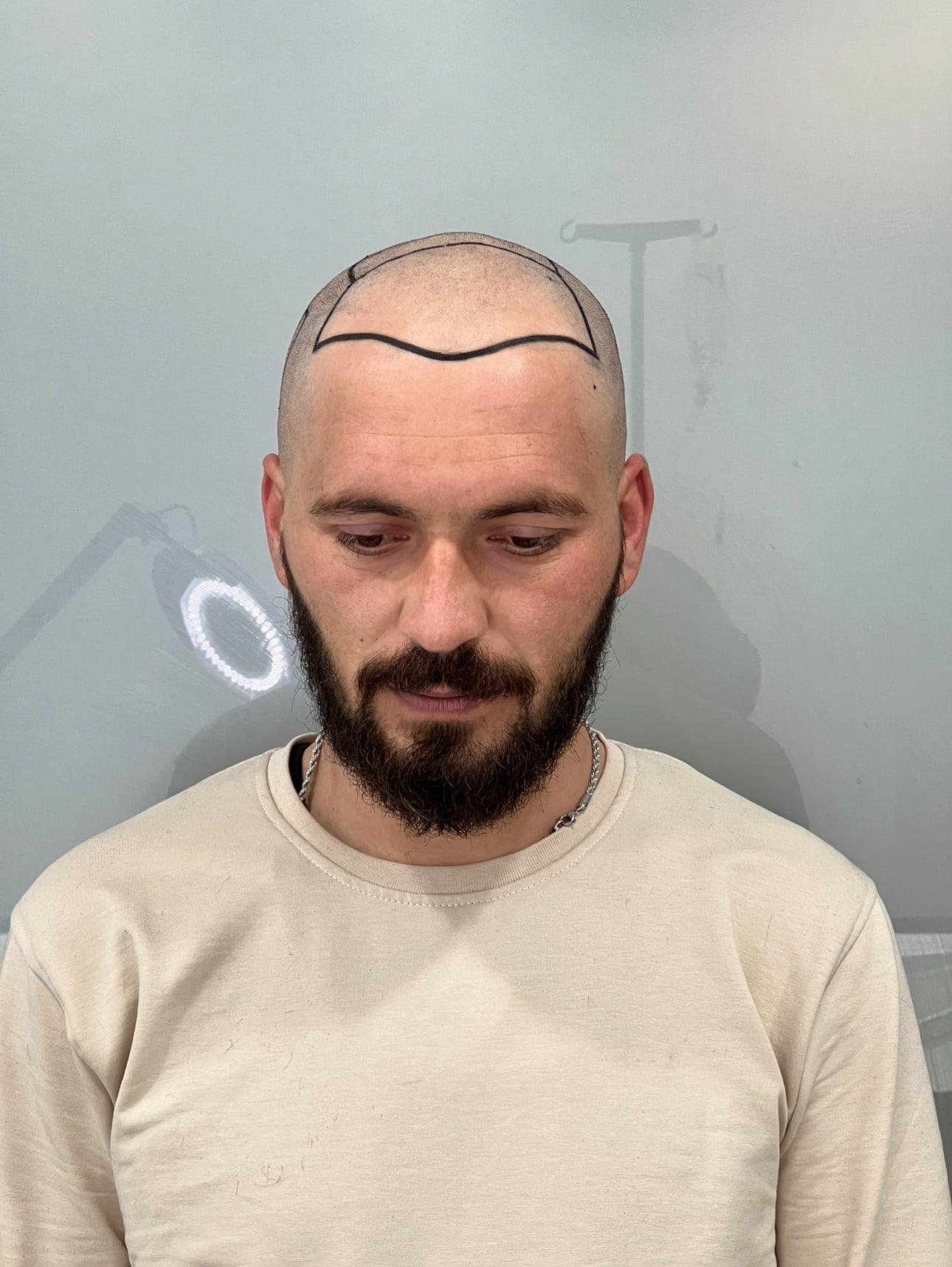
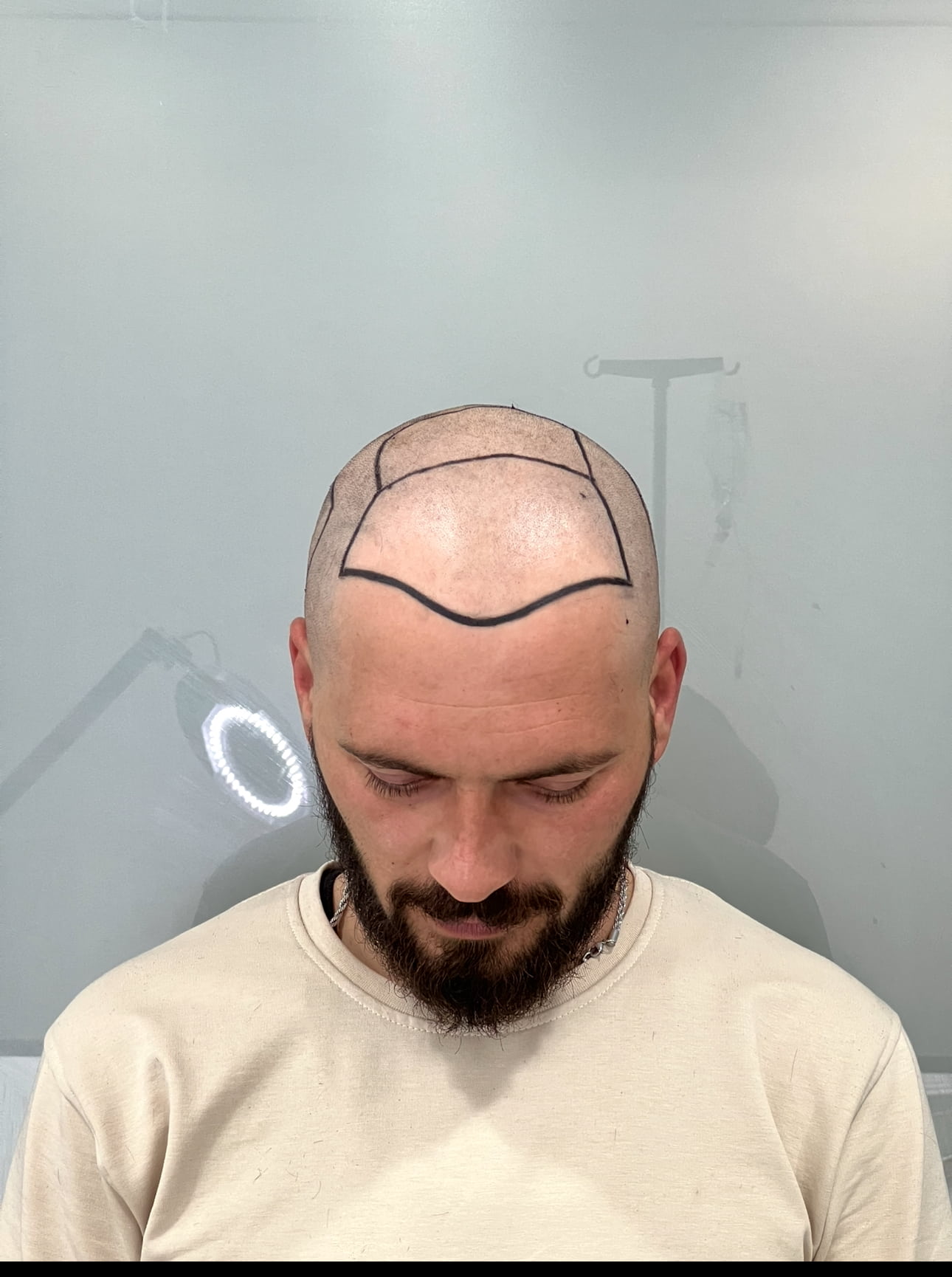
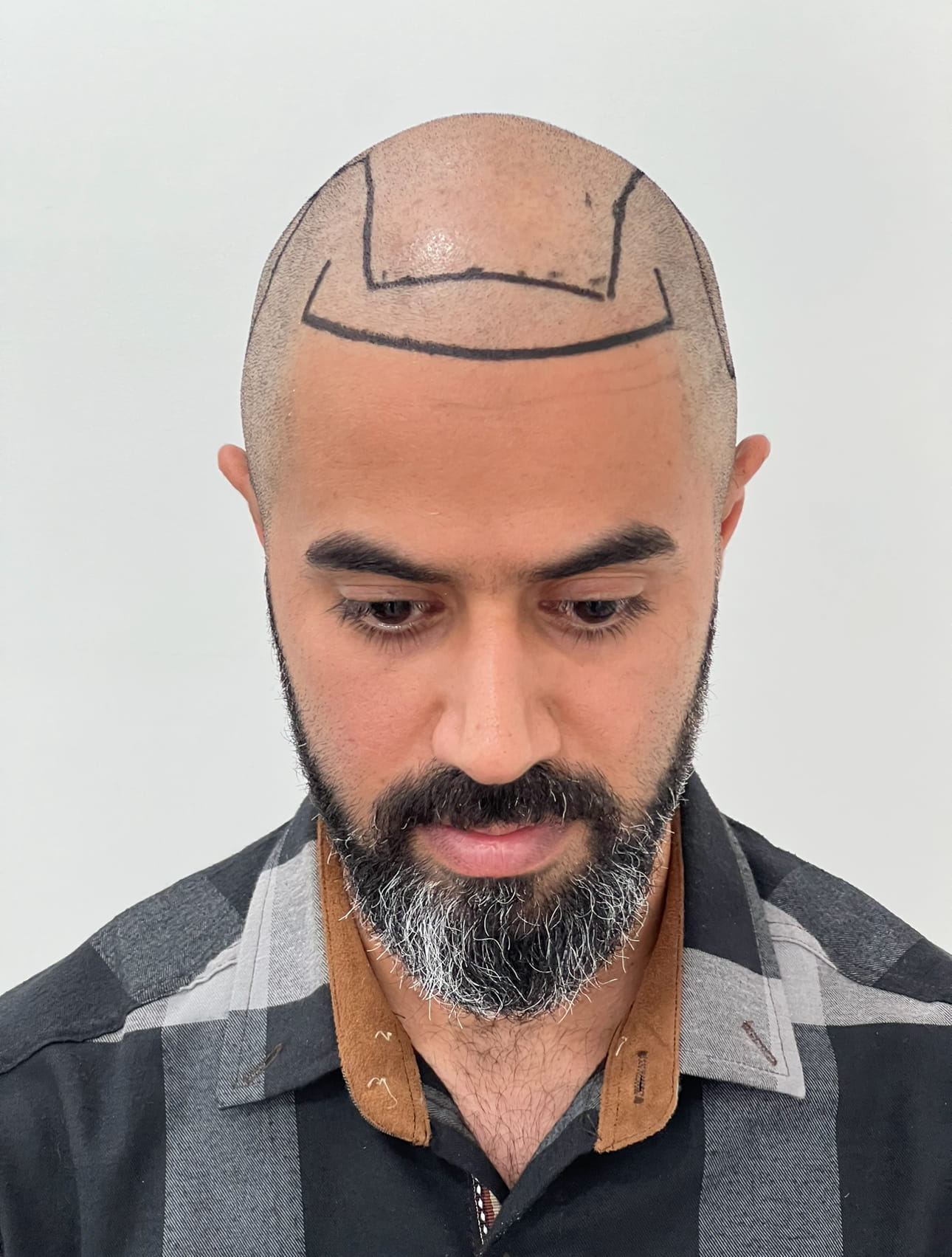
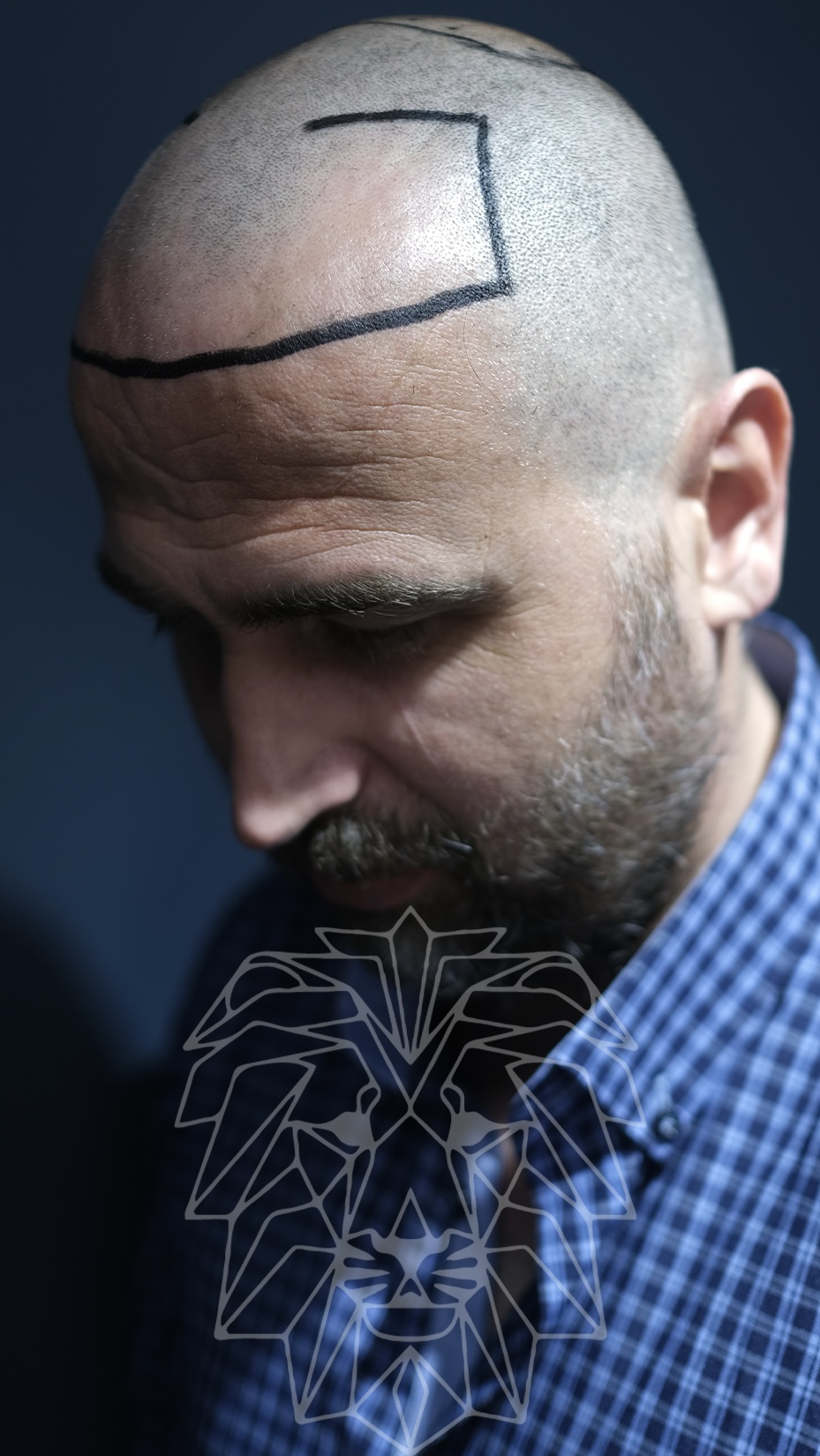
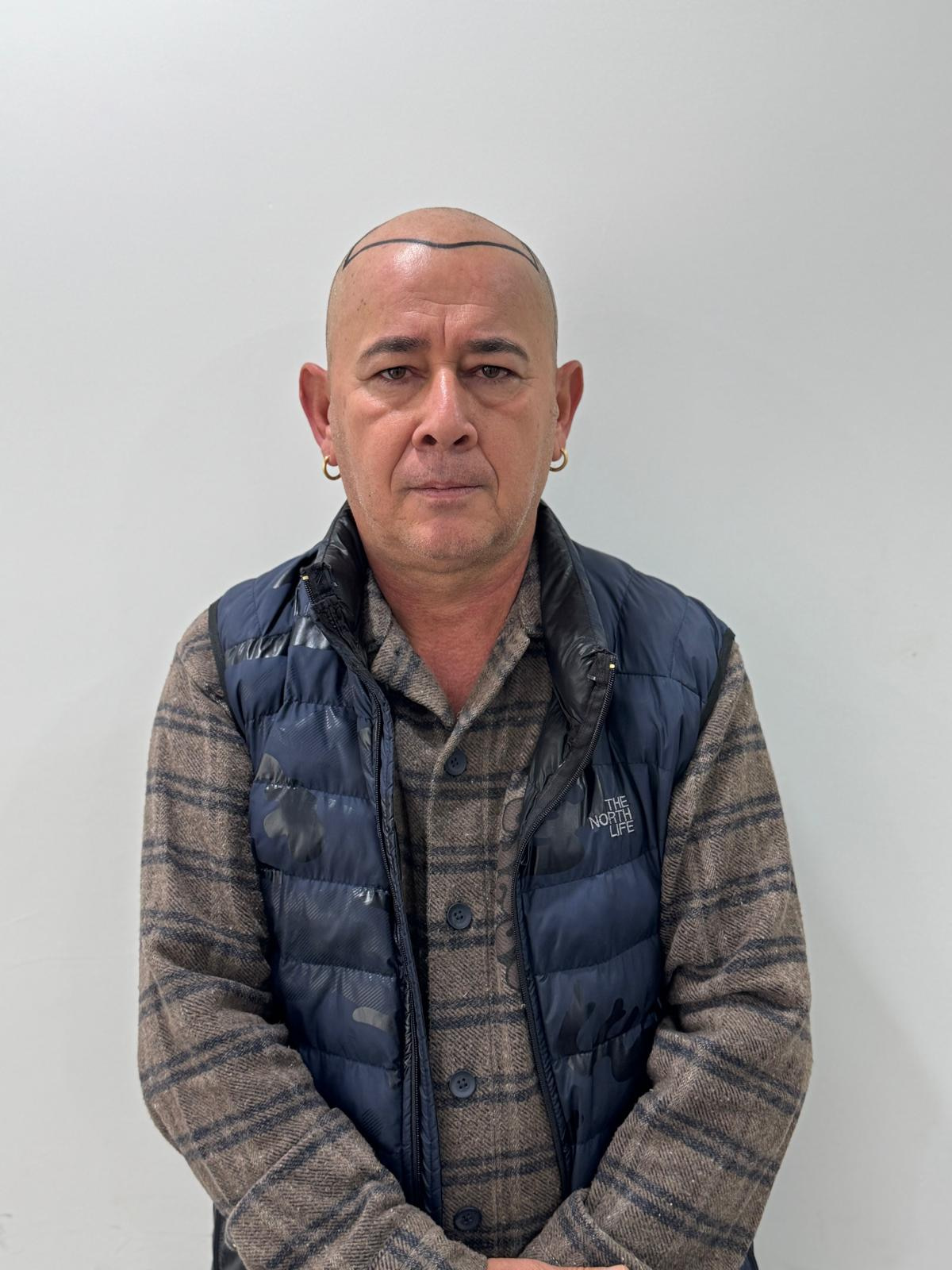
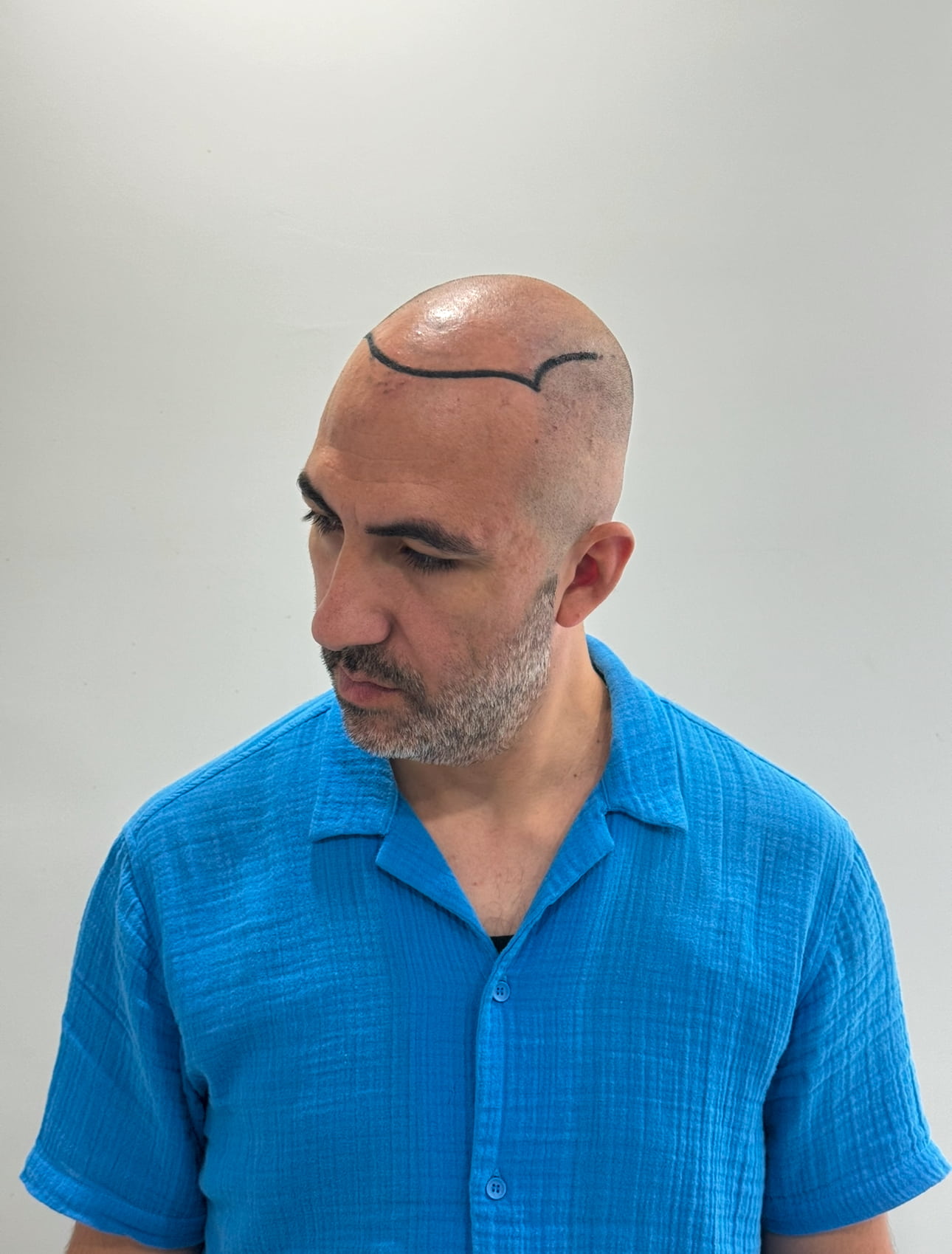
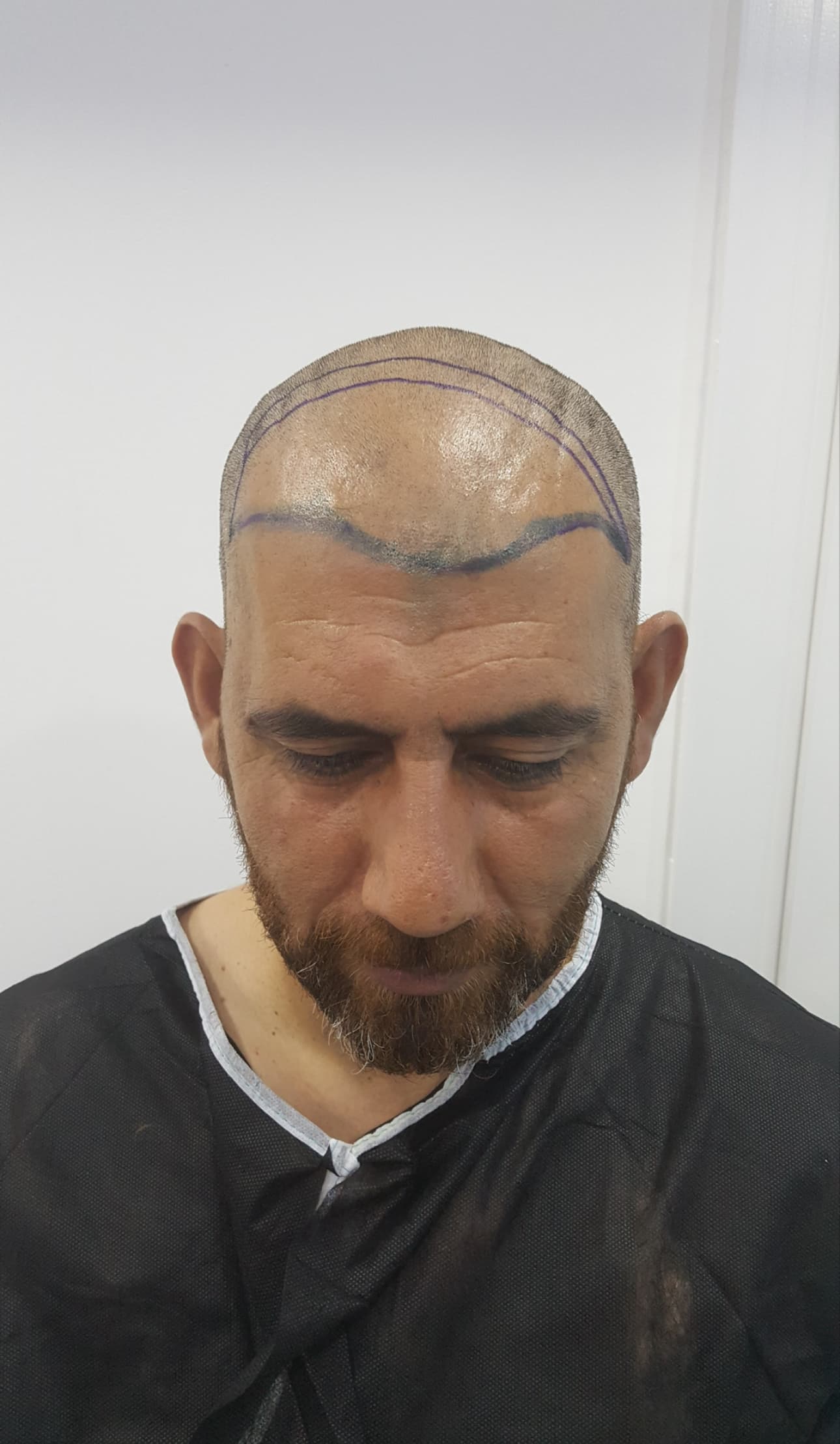
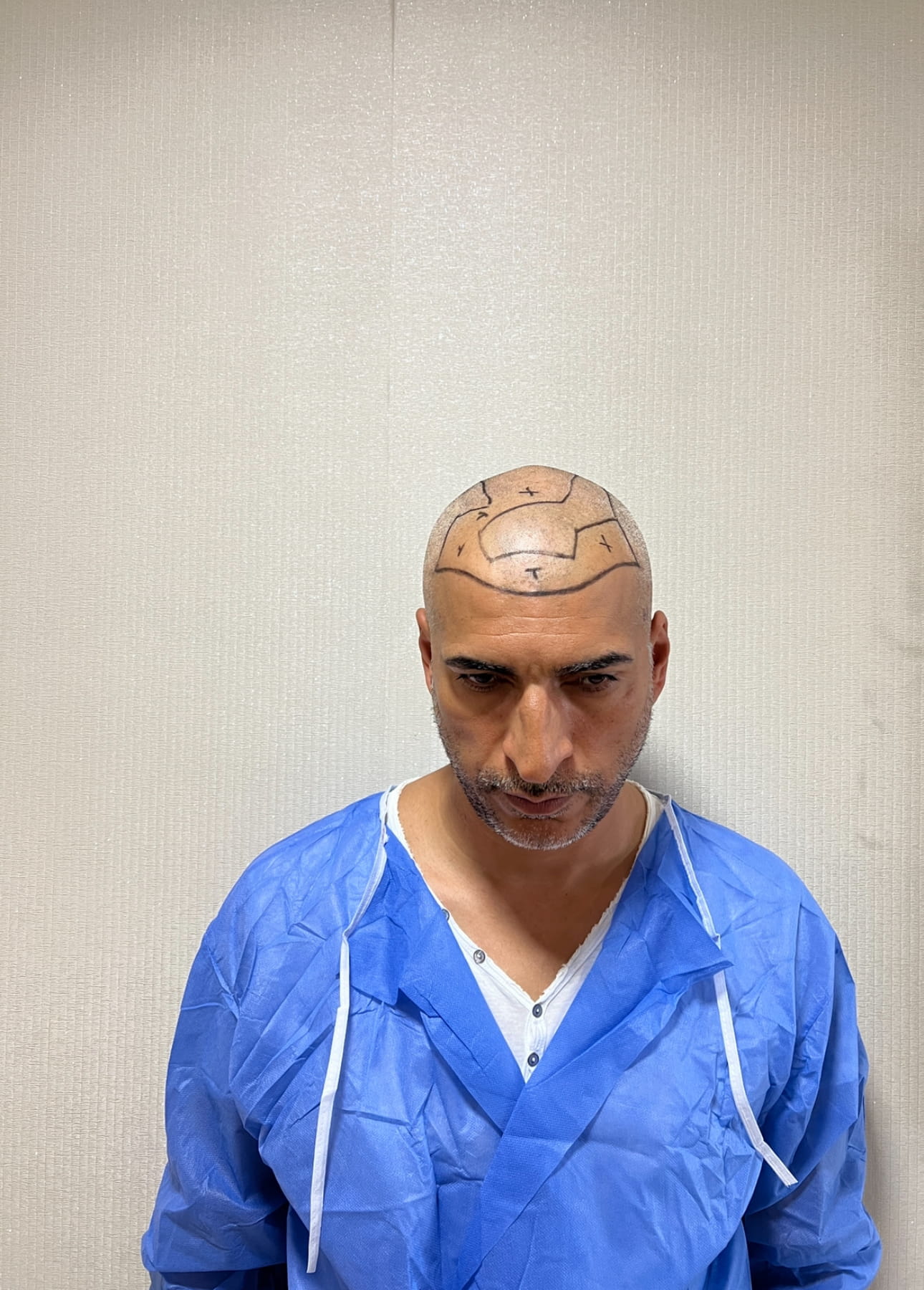
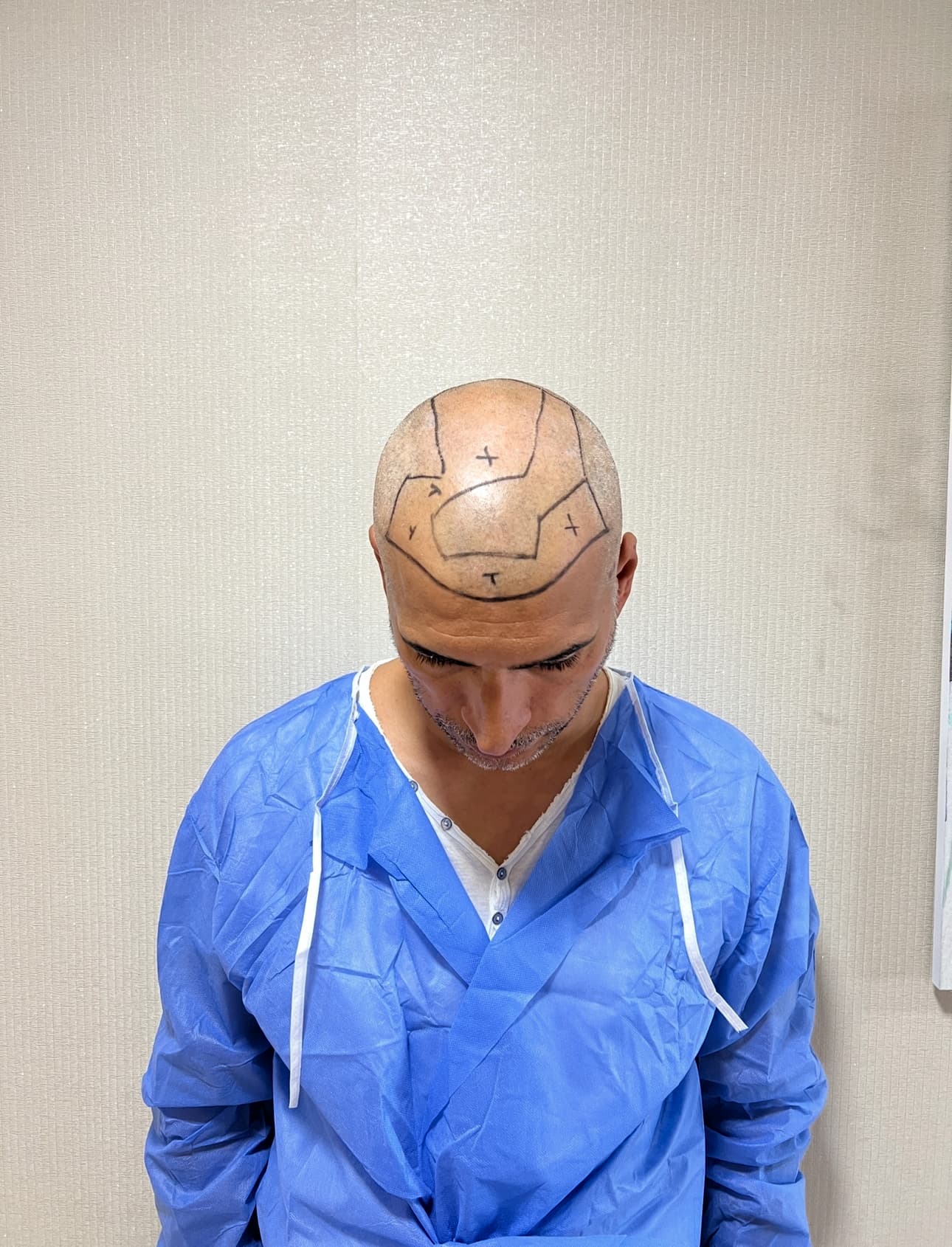
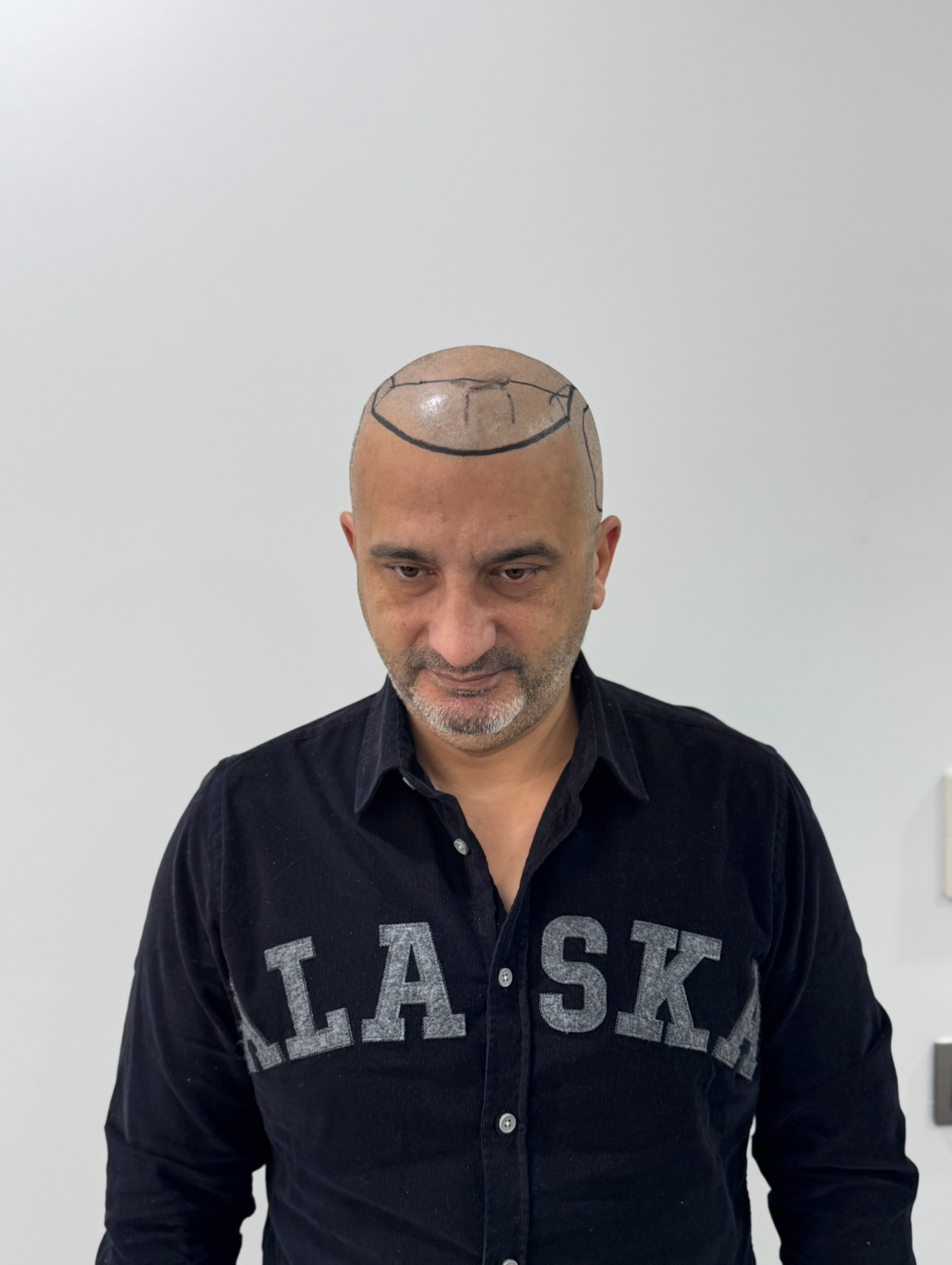
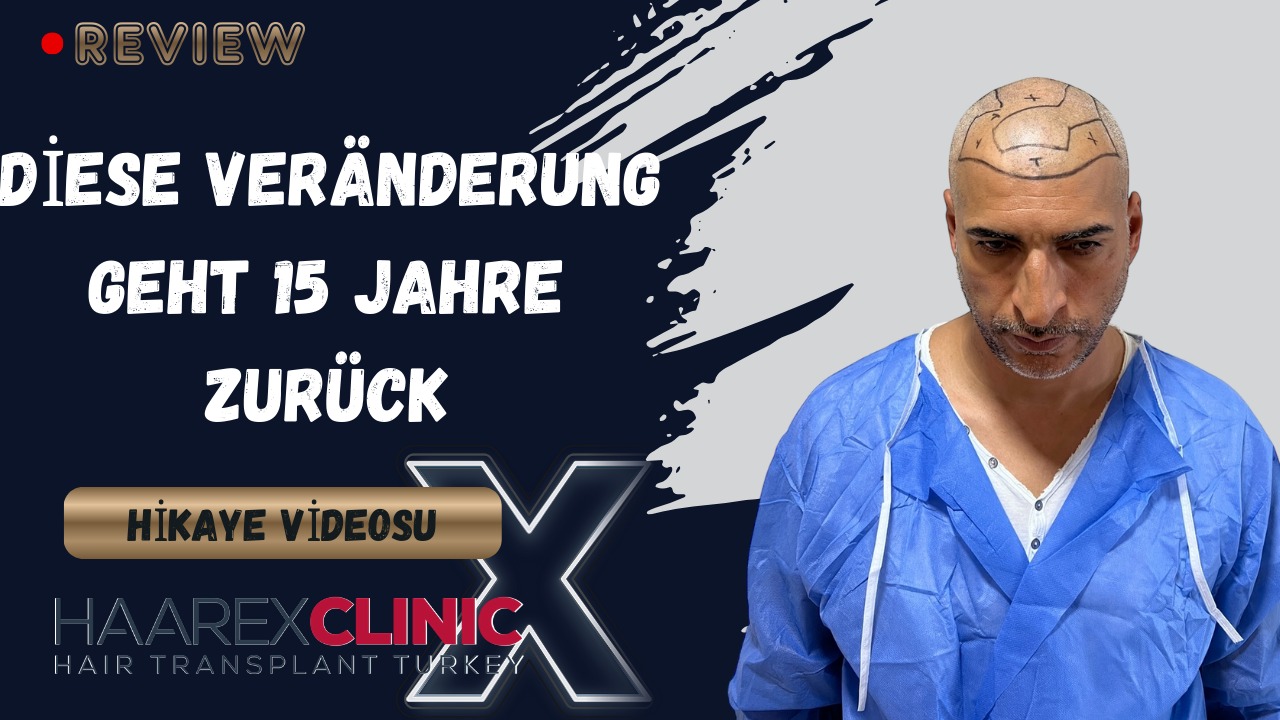
This is the most critical stage. Your doctor will examine your facial muscles and use a golden ratio compass to determine your new hairline. This line will not be finalized without your approval. We will not begin the procedure until you look in the mirror and say, “Yes, that's it!”.
3. Local Anesthesia and Graft Harvesting
The donor area (back of the head) is shaved (except for DHI, which is shave-free). The stage that our patients dread the most is the anesthesia needles. At Haarex Clinic, we use needle-free pressure anesthesia (Comfort-in) technology. The anesthetic is delivered under high pressure into the skin, so you don't feel the needle. Once numbness is achieved, the roots (grafts) are collected one by one with a micromotor and stored in special cooling solutions (Hypothermosol).
4. Lunch Break
After the graft collection is complete, a light meal break is provided. Maintaining stable blood sugar levels is important for your comfort during the procedure.
5.Channel Creation and Implantation
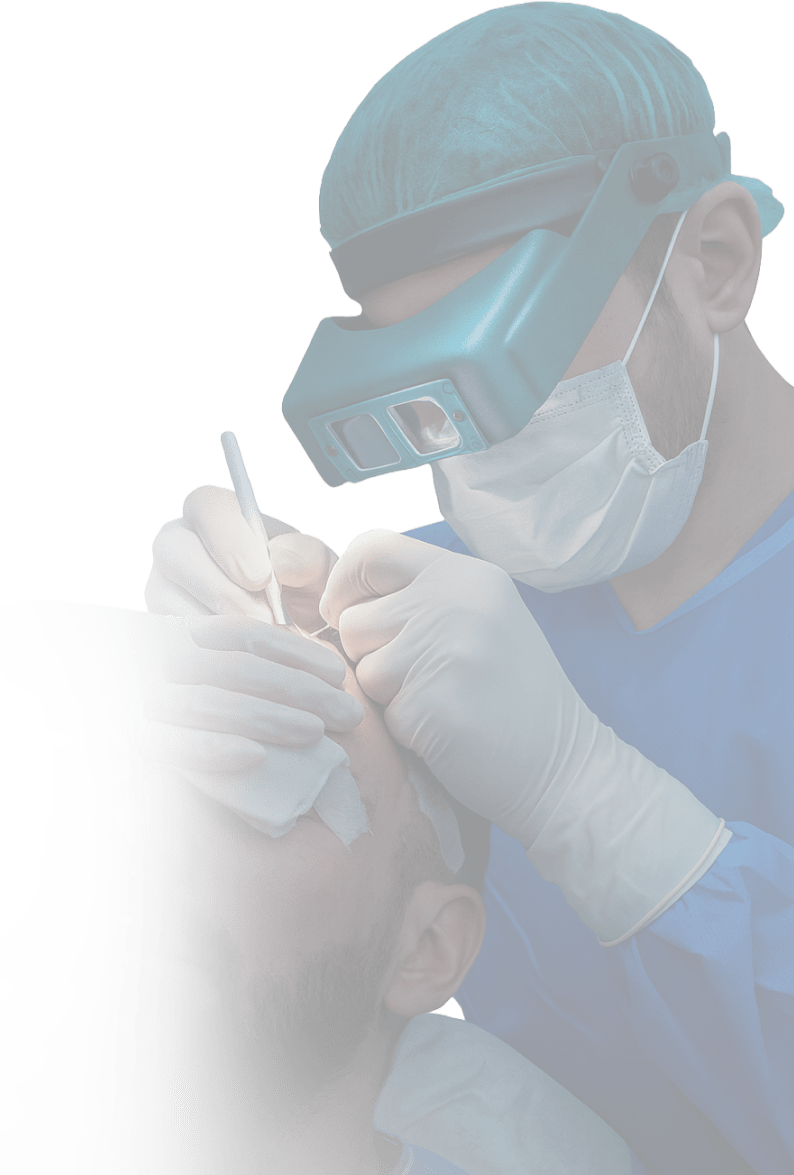
Channels are created using sapphire tips, and the collected roots are placed into these channels. During this process, you will be lying on your back. You can watch TV, listen to music, or sleep. When the procedure is complete, the donor area is bandaged, and the transplant area is left uncovered.
Post-Operation: 1-Year Change Schedule
Your Antalya hair transplant journey does not end when you leave the clinic; in fact, it is just beginning. Knowing what to expect during this patience-requiring process will put your mind at ease.
| Time Frame | Expected Condition | What to Do |
|---|---|---|
| First 3 Nights | Mild swelling and leakage may occur. | Sleep on your back at a 45-degree angle (with two pillows). Do not let the incision area touch the pillow. |
| Day 10 | Scaling is completely finished. | Get rid of all the scales by performing the “Scale Removal Wash” described by our clinic. |
| Months 1-3 (Shock Loss) | The transplanted hair suddenly falls out. This is the “Shock Loss” phase. | Don't panic. The roots are still there; only the strands are falling out. Remember that this process is temporary. |
| Month 4 | New hair (in the form of baby hair) begins to grow. | Continue taking biotin and vitamin supplements. |
| Months 6-8 | 60-70% of the hair has grown in. Volume increases. | You can now brush your hair and blow-dry it (at low heat). |
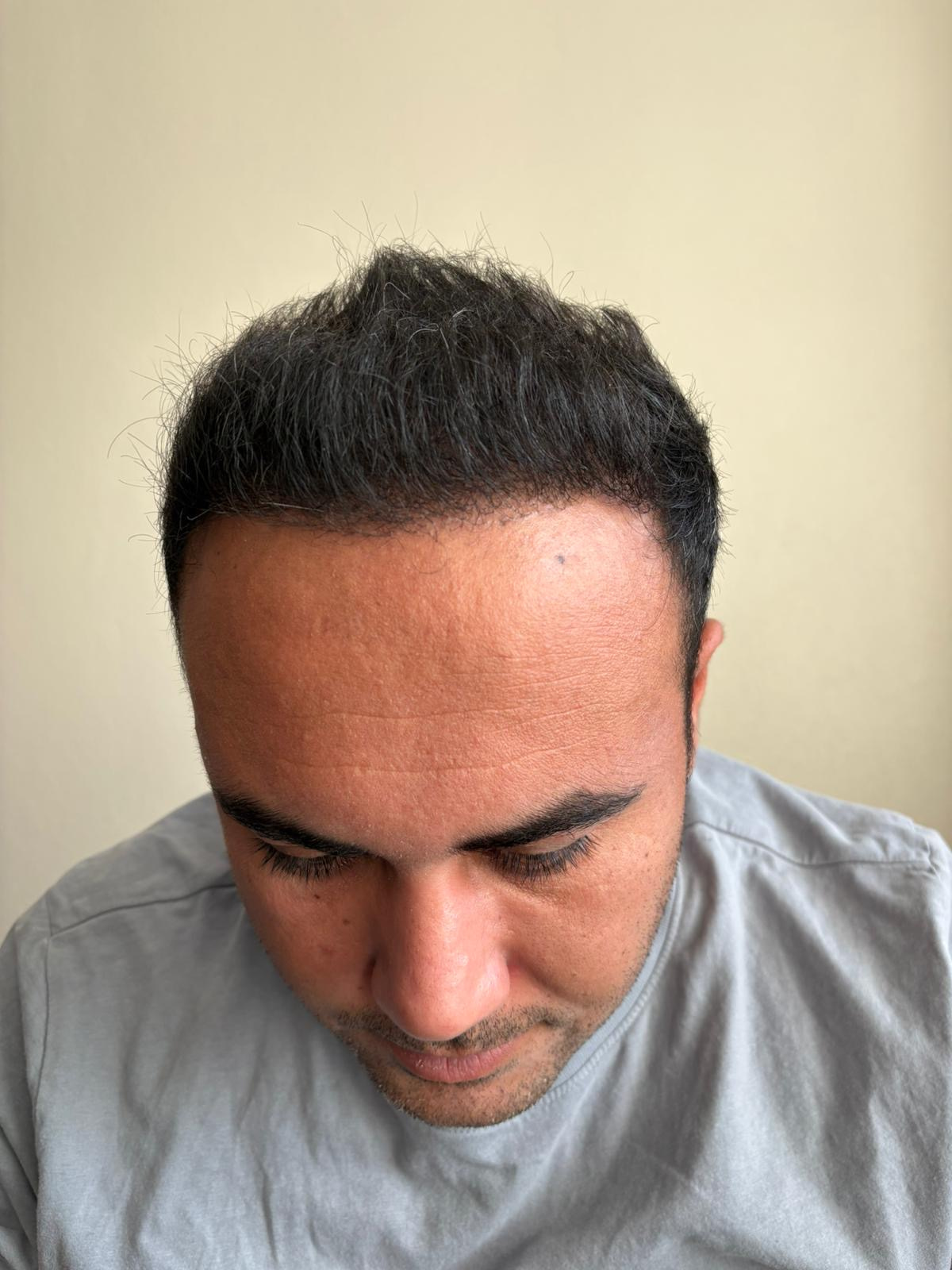
| 12th - 15th Month | Final result. Hair thickens and takes shape. | The crown (vertex) area may show the full result by the 15th month due to reduced blood flow. |
Hair Transplant Risks and Haarex Safety Protocols
For the sake of medical integrity, we must state that every surgical procedure carries risks. The important thing is to have the procedure performed at a clinic that minimizes these risks. The problems encountered in procedures performed in unlicensed facilities and Haarex's solutions are as follows:
1. Necrosis (Tissue Death)
This is the most feared complication. It occurs when blood vessels are damaged while opening channels or when excessive adrenaline is used, preventing tissue from receiving blood.
Haarex Solution: Our expert surgeons are well-versed in anatomical structures and use micro-doses of adrenaline. This ensures circulation remains intact, making the risk of necrosis virtually zero.
2. Lawn Mower Look
This occurs when the front hairline is very straight and the channels are cut at a sharp angle.
Haarex Solution: Sapphire tips and natural channel angles of 40-45 degrees make this artificial appearance impossible.
3. Infection
It is caused by non-sterile environments.
Haarex Solution: Our operations are performed in hospital environments, in operating rooms equipped with HEPA filters. All consumables used are personalized and single-use.
Outside of Surgery: VIP Experience in Antalya
For our patients coming from abroad or outside the city, the Antalya hair transplant process is offered as an all-inclusive package. All you need to do is book your flight; we take care of the rest.
🏨 Accommodation
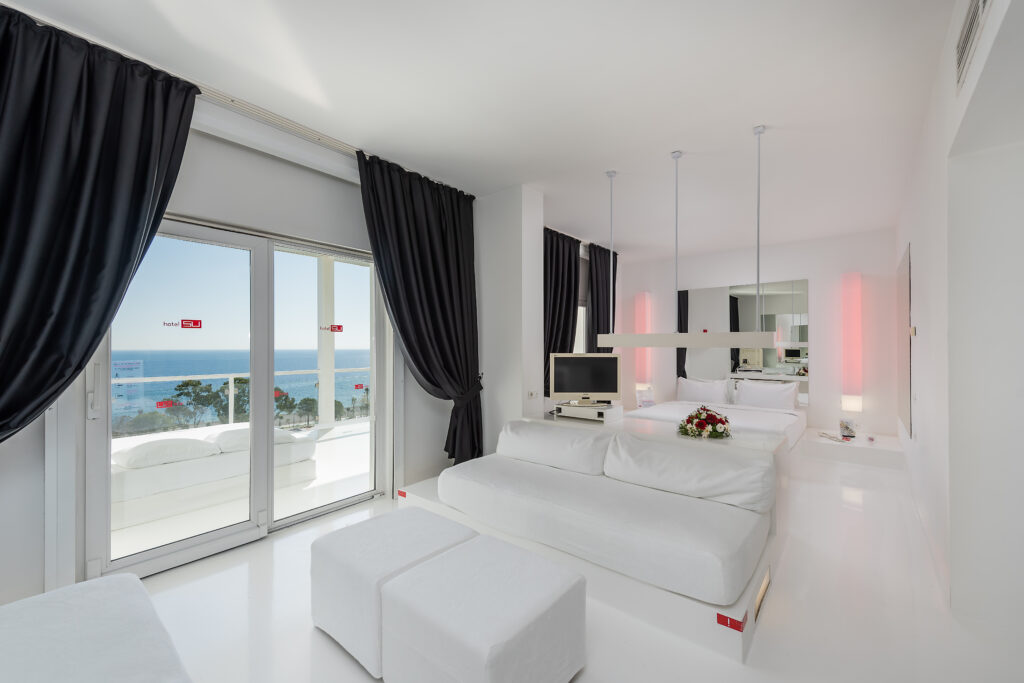
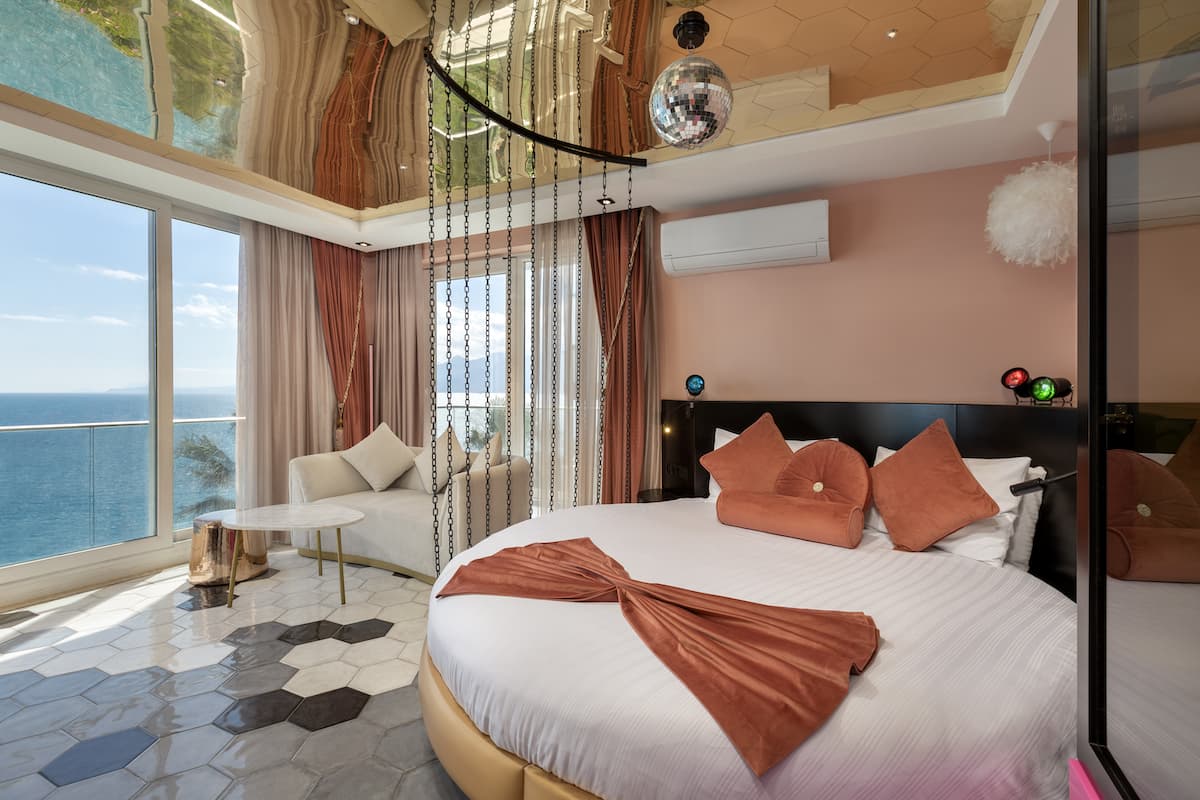
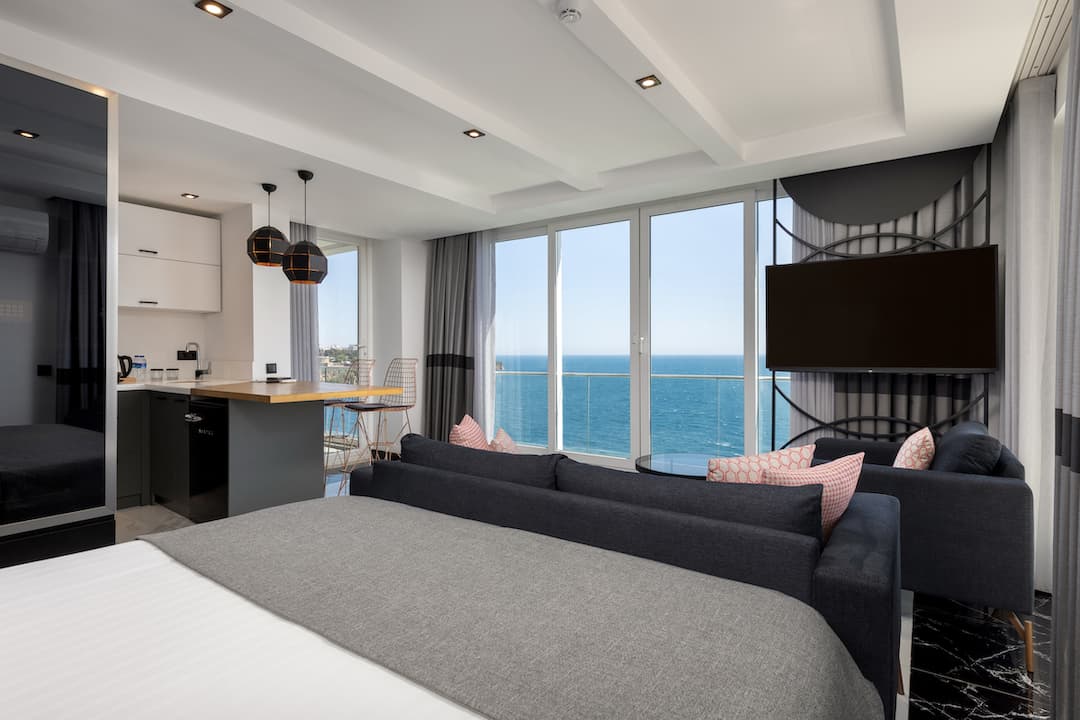
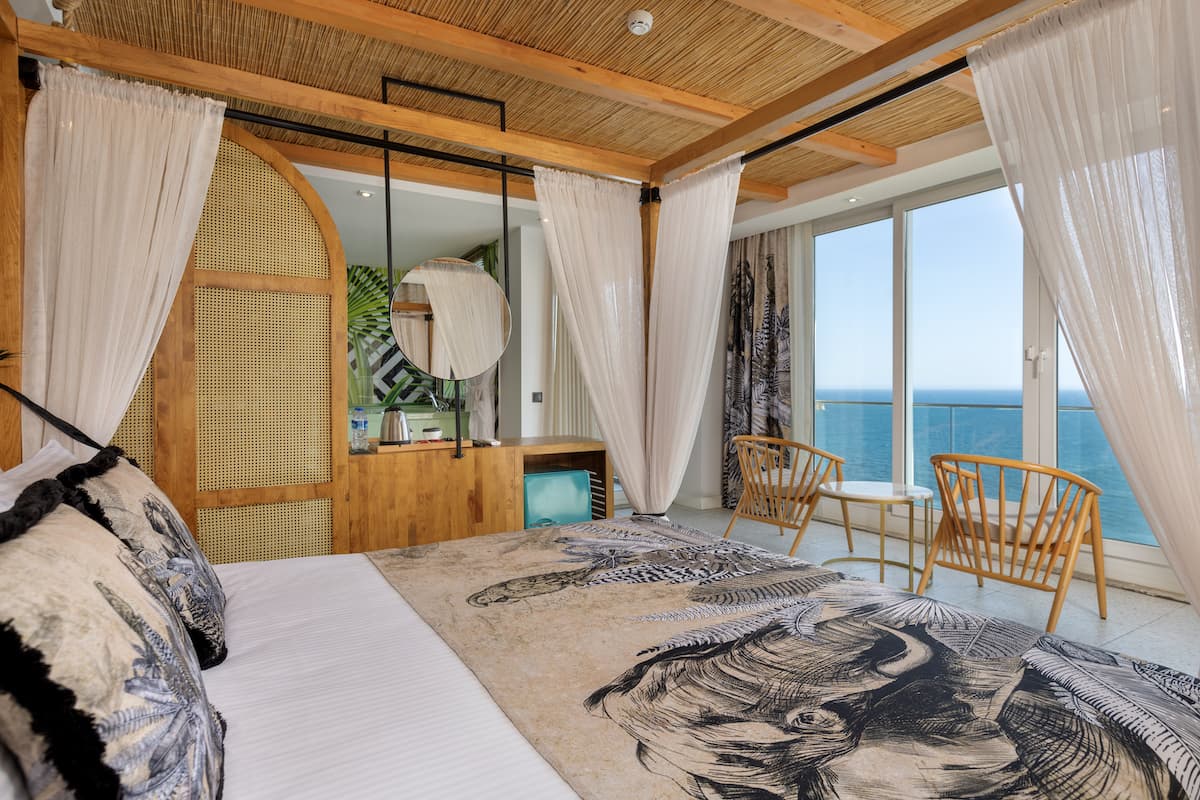
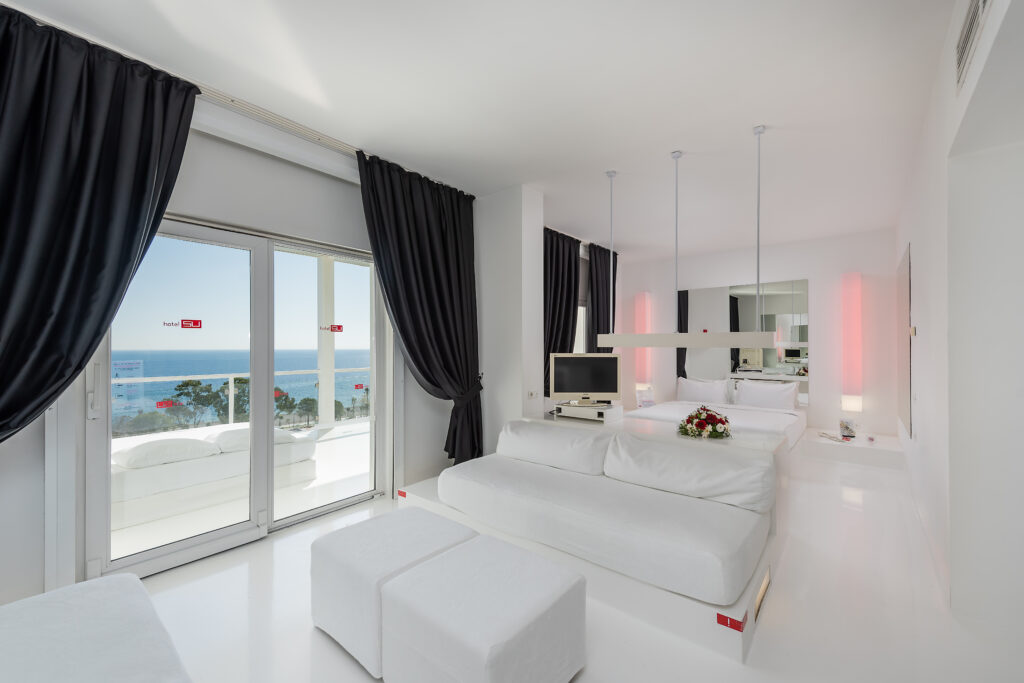
Stay for 2 or 3 nights in comfortable rooms with sea views at our partner 5-star hotels. You can spend your recovery period in your hotel's spa (excluding sauna) and relaxation areas.
🚐 VIP Transfer
You will be greeted by name upon arrival at the airport. All transfers between the airport, hotel, and clinic are provided in luxury Mercedes Vito vehicles. You will not encounter any language barriers.
Frequently Asked Questions About Hair Transplantation in Antalya
We have compiled the questions our patients most frequently ask our consultants and their scientific answers.
Antalya is very hot in summer, is it reasonable to have a hair transplant?
This is one of the most common misconceptions. There is no season for hair transplantation. There is no medical reason why hair transplantation cannot be performed in summer. The only rule is to protect the transplanted area from direct, intense sunlight for the first 15 days after the operation and to avoid going to the sea or swimming pool. You can safely have the procedure done in summer by wearing a hat (after the 10th day) or staying in the shade. In fact, the skin's renewal rate may increase in summer because the metabolism speeds up.
When can I wear a hat or cap?
During the first 10 days, any contact is risky as the grafts are in their healing phase. Therefore, we do not recommend wearing a hat. However, in necessary cases, you may use the special “safari hats” provided by our clinic, which have a stiff top and do not touch the transplanted area. After the 15th day, you can wear normal, non-tight hats, and after the first month, you can wear a beanie.
Does hair transplantation affect sexual potency?
No, the hair transplantation procedure or the local anesthetic drugs used have no adverse effects on sexual function or libido. Only during the first week after the operation, sexual abstinence is recommended to avoid exertion. After that, you can return to your normal life.
When can I shave the transplanted hair?
You can shave the donor area (back of the neck) with a machine after the first month. However, for the transplanted area, we only recommend scissor shaving for the first 6 months. Machine shaving is recommended after the 6th month because it carries the risk of pulling out the roots.
Is hair transplantation guaranteed? What happens if it doesn't take?
At Haarex Clinic, we stand behind our work. We provide our patients with a “Satisfaction and Guarantee Certificate.” If more than 90% of the transplanted hair does not grow (which is less than 1% of cases), we provide a free revision and compensation session. Failure is usually due to patient-related blows or severe infections; technical errors are covered by the guarantee.
Is PRP or Mesotherapy treatment necessary?
We routinely recommend PRP (Platelet-Rich Plasma) application during and after the procedure. This plasma, obtained from your own blood, accelerates healing and nourishes the roots. Starting from the first month after the procedure, having Mesotherapy once a month increases the perfection of the result by 20%.