

Hair loss affects millions of people worldwide and remains one of the most emotionally challenging aesthetic concerns for both men and women. While traditional hair transplant procedures and medications have helped many patients, modern science has introduced a powerful new option rooted in regenerative medicine: stem cell hair restoration.
As we approach 2026, interest in stem cell–based hair treatments continues to grow. Patients are no longer only asking “Does it work?”—they want to know the cost of stem cell treatment, expected results, safety, and whether it is truly worth the investment.
This comprehensive guide explains everything you need to know about hair stem cell treatment, including prices, effectiveness, technologies, risks, and long-term outcomes.

Stem cell treatment for hair loss is a non-surgical regenerative therapy designed to stimulate natural hair regrowth by activating dormant or weakened hair follicles.
Unlike a stem cell hair transplant, which is often a misleading term, stem cell treatment does not involve implanting new hair grafts. Instead, it focuses on repairing and revitalizing existing follicles using biologically active cells.
This approach aims to:
Regenerative medicine focuses on repairing tissues using the body’s own biological resources. In hair restoration, this includes:
Stem cell hair restoration represents one of the most advanced applications of regenerative medicine in aesthetic practice.
Understanding the types of stem cells used is essential when evaluating treatment quality and treatment costs.
The most widely used option today involves adipose tissue (fat tissue).
These are known as adipose derived stem cells and are rich in regenerative potential.
Hair follicle stem cells exist naturally within the scalp and control the hair growth cycle. Some advanced protocols aim to stimulate these cells directly rather than extracting them.
Their activation improves:
Many clinics combine stem cell therapy with platelet rich plasma (PRP).
PRP contains a high concentration of platelets that release powerful growth factors, enhancing the survival and effectiveness of stem cells.
This combination often leads to stronger and more stable results.
A common misconception is the phrase stem cell hair transplant.
Let’s clarify:
Stem Cell Hair Transplant
Surgical
Transfers grafts
Permanent hair relocation
Higher downtime
| Stem Cell Hair Transplant |
Stem Cell Treatment |
| Surgical |
Non-surgical |
| Transfers grafts | Activates existing follicles |
| Permanent hair relocation |
Regenerative stimulation
|
| Higher downtime |
Minimal downtime
|
In reality, stem cell treatment is not a replacement for hair transplantation—but a complementary or preventive solution.
Stem cell therapy works best for:
It is less effective for:
This is the most important question.
Stem cell therapy:
Clinical outcomes typically include:
True hair regrowth depends on remaining follicle viability.
A professional treatment plan includes:
Most patients need 1–2 sessions annually.
Because stem cell treatments use the patient’s own cells, safety is high.
Possible side effects include:
Serious complications are extremely rare when performed in certified medical centers.
The benefits of stem cell therapy include:
For many patients, it is a strategic long-term investment.
Now to the most searched question: cost of stem cell treatment.
Prices vary based on:
Exact treatment costs require personalized evaluation.
In the United States, stem cell hair treatments are:
FDA regulations limit certain applications, which significantly increases cost.
A free consultation allows:
Online prices are only estimates—consultation determines accuracy.
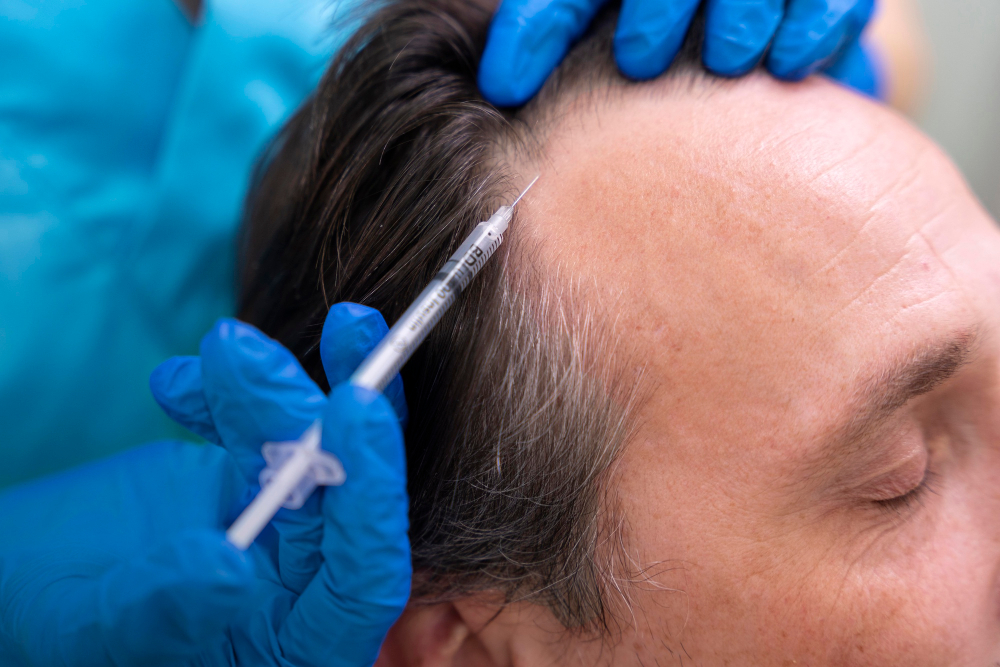
The treatment costs of hair stem cell therapy vary widely by country, technology, and clinical expertise. Below are realistic 2026 price ranges based on market averages and clinical standards.
Average Prices by Region (Per Session)
Region
Turkey & Eastern Europe
UK & Western Europe
United States
Price Range (USD)
Notes
$1,500 – $3,000
High volume clinics, advanced protocols
$3,500 – $6,000
Higher labor and facility costs
$4,000 – $8,000
Strict regulations, limited availability
These figures reflect stem cell treatment (non-surgical). Packages that combine platelet rich plasma (PRP) with stem cells may be higher.
What Influences the Cost of Stem Cell Treatment?
Because of these variables, clinics typically recommend a free consultation to provide accurate pricing.
In the United States, stem cell hair therapies are expensive due to:
While quality can be excellent, access is restricted and prices are high.
Turkey has become a global hub for regenerative medicine and hair restoration:
This allows clinics to deliver advanced stem cell hair restoration at a more accessible cost of stem cell therapy.
Prices fall between the US and Turkey, reflecting higher wages and facility costs than Eastern Europe, with robust clinical standards.
A critical question for patients is whether results last long term.
Important: Stem cell therapy preserves and revitalizes existing follicles; it does not create new follicles.
Understanding where stem cells fit among options helps patients choose wisely.
Best practice: Combine therapies. Many clinics use PRP to amplify stem cell outcomes or apply stem cells around transplanted grafts.
Most advanced protocols rely on adipose tissue because it is:
Adipose derived stem cells release cytokines and growth mediators that:
This is a major reason adipose-based methods dominate modern stem cell hair restoration.
While hair follicle stem cells naturally regulate the growth cycle, modern therapies focus on activation, not extraction. By improving the follicular environment with stem-cell-derived signals and PRP growth factors, clinics can:
Because therapies use autologous material, the safety profile is strong.
There is no evidence that stem cell hair therapy causes scarring alopecia when properly performed.
Both men and women benefit, but patterns differ:
Women often respond well because many retain viable follicles despite visible thinning.
A successful treatment plan typically includes:
This structured approach maximizes benefits of stem cell therapy while controlling costs.
Is a stem cell hair transplant permanent?
“Stem cell hair transplant” is a misnomer. Results last with maintenance; no new follicles are created.
Can stem cells replace a transplant?
No. They complement or delay surgery; they don’t replace it in bald areas.
How many sessions do I need?
Usually 1–2 sessions per year.
Is it worth the cost?
For early to moderate loss, many patients find the cost of stem cell therapy justified by natural results and low downtime.
Can PRP be added later?
Yes. PRP boosters are common.
Yes—when used correctly.
In 2026, hair stem cell therapy stands as one of the most advanced, evidence-backed options within regenerative medicine for hair loss. It is ideal for patients who:
The keys to success are patient selection, technology, and a personalized plan—often confirmed through a free consultation.


